Weather literacy for everyday life
Forecasts are easier to use when you understand the systems behind them. A plain-language guide.
Kiwi News Desk··4 min read
Forecasts are easier to use when you understand the systems behind them. A plain-language guide.

Clouds rolling over a coastal landscape
New Zealand sits in the path of weather systems that have travelled a long way over open ocean. That gives our forecasts a particular character: confident a day or two out, more uncertain beyond, and prone to sharp local variation when fronts meet the country's mountains.
Understanding a few basics — what a front is, why westerlies behave the way they do, how rainfall totals differ from rainfall intensity — makes any forecast more useful. It also makes it easier to plan around the times when the forecast itself is less certain.
Weather literacy matters for more than weekend plans. Farmers, builders, event organisers, emergency services and households all make better decisions when they can read a forecast in context rather than as a single icon.
Our weather coverage will lean toward explanation: not just what is coming, but why, and how confident anyone can reasonably be about it.
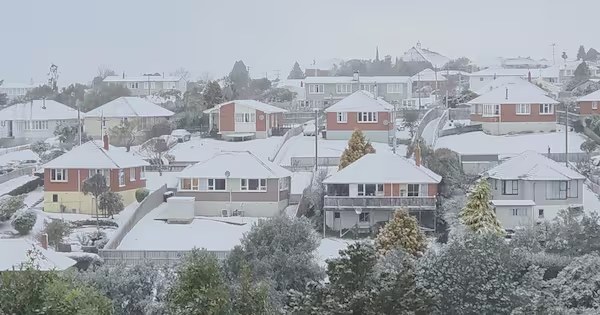
South Island state highways have reopened after a burst of low-level snow, but NZTA is warning drivers that ice and black ice may now be the bigger hazard as freezing temperatures settle in.
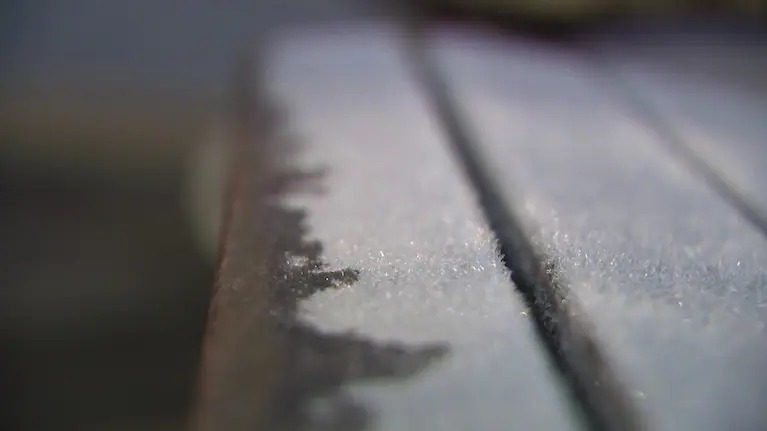
MetService is warning much of New Zealand to prepare for another frosty start after a cold snap sent temperatures well below zero across inland centres and pushed electricity supply management back into the public conversation.
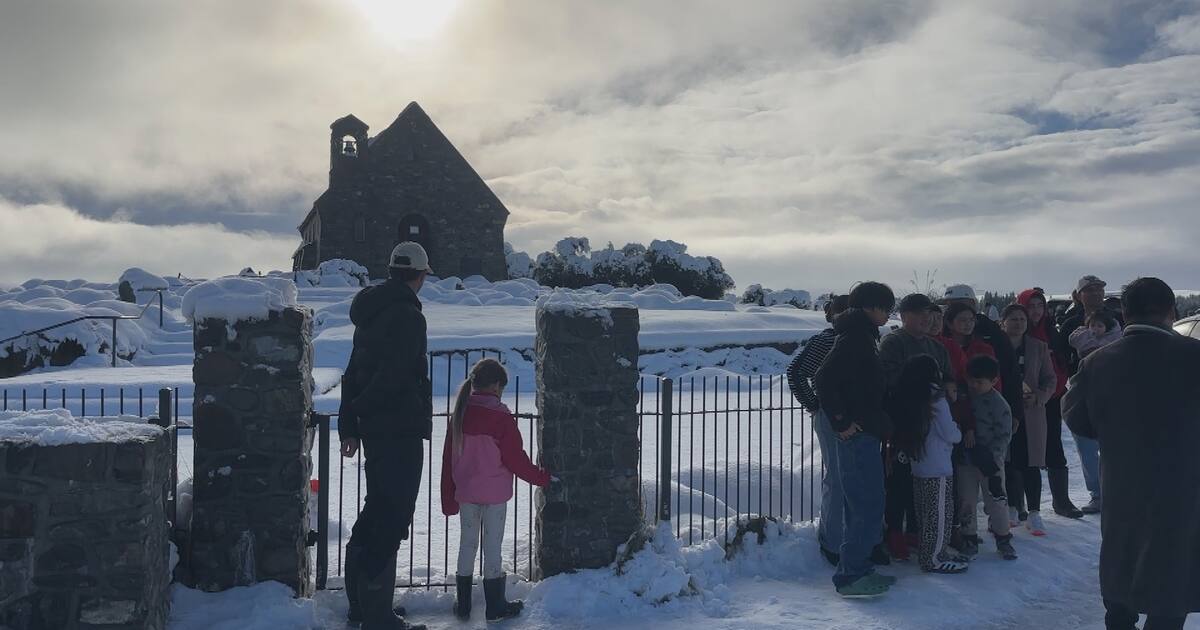
MetService meteorologist Michael Pawley says Lake Tekapo recorded New Zealand's coldest night of the year so far, with the air temperature dropping to minus 12.5C in the early hours of Sunday.