South Island state highways have reopened after a burst of low-level snow, but NZ Transport Agency Waka Kotahi is warning drivers that ice and black ice may now be the bigger hazard as freezing temperatures settle in.
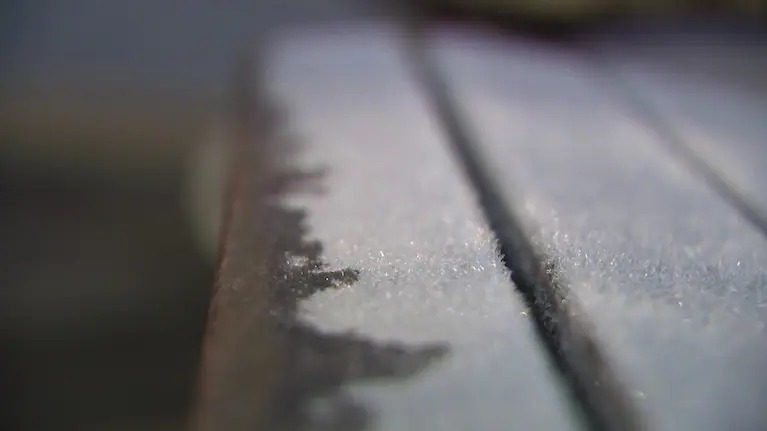
NZTA's 5pm bulletin on 4 August said state highways around the South Island were open again after snow to low levels earlier in the day. The agency urged road users to prepare for days of freezing temperatures and ice on the roads, especially inland and in sheltered places. It said black ice is a particular risk because it is transparent and difficult to spot. Contractors were expected to lay grit or anti-icing agents on state highways to reduce the risk.
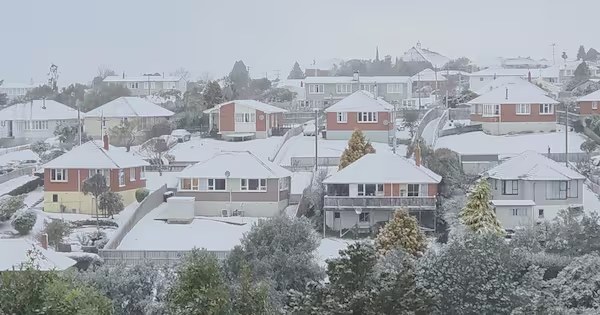
The warning follows a disruptive winter day for Dunedin and parts of Canterbury and Wellington. Snow to low levels across parts of the eastern South Island shut schools, closed several sections of state highway and caused multiple crashes in Dunedin. Police responded to more than 20 crashes, with no serious injuries reported. Otago Regional Council bus services were cancelled in Dunedin, and all Dunedin primary, intermediate and secondary schools were closed, along with East Otago High School in Palmerston and Lawrence Area School.
NZTA's updates through the day show how quickly the road picture changed. At 8am, the agency listed closures including SH75 between Duvauchelle and Tai Tapu in Canterbury, SH85 between Kyeburn and Morrisons in Otago, SH87 from Outram to Middlemarch, SH1 between Pine Hill and Waitati, and the Dunedin Southern Motorway between Caversham Road and south of Mornington Road. By 9.15am, the Dunedin Southern Motorway had reopened. By 10.30am, SH75 had reopened between Duvauchelle and Little River. By noon, SH1 between Pine Hill and Waitati had reopened, leaving SH87 as the remaining snow-related South Island state highway closure at that point.
The problem now is not just whether roads are open. A road can be technically open and still dangerous if snow melts during the day and refreezes overnight. NZTA said the cold air was expected to linger around the central and lower South Island, with temperatures falling well below zero in many places. That creates conditions for ice, particularly late at night and early in the morning.
Wellington also saw wintry conditions, with MetService confirming what was falling in the capital was a mix of sleet and snow. Sightings were reported from the CBD and surrounding suburbs, making the cold snap a national talking point rather than an Otago-only event. MetService forecasts and warnings also pointed to snow risks on key routes, with road snowfall warnings affecting several passes and highways.
For drivers, the practical advice is conservative. Reduce speed, increase following distances, avoid sudden braking or turning on icy roads, and delay travel where possible. NZTA's warning is especially important for people who assume that a reopened highway means normal winter driving has resumed. Grit and anti-icing work can reduce risk, but it cannot remove every hidden patch on shaded corners, bridge decks, inland roads and early-morning routes.
The cold snap has also put pressure on electricity planning. Transpower issued a potential Low Residual Customer Advice Notice to alert the electricity industry to the possibility of a tight supply and demand balance during the cold conditions. Transpower described such notices as part of its standard operating process, with further notices possible if the situation tightened.
The weather story is likely to continue for at least another morning commute. Snow grabs attention because it is visible and rare in some urban areas. Ice is less dramatic but often more dangerous because it appears when people are trying to get back to school, work and freight routes after the initial disruption. The safest assumption for drivers across the lower South Island is that reopened roads still require winter speeds and winter judgement.