Nikhil Ravishankar targets premium visitors as Air New Zealand delays two Dreamliners
Air New Zealand chief executive Nikhil Ravishankar has set out a strategy reset that aims to pull the airline back toward profitability by targeting premium inbound visitors, sharpening domestic business travel and rebuilding operational reliability, as fresh Boeing manufacturing delays push back two new 787 Dreamliners.
Kiwi News Desk··6 min read
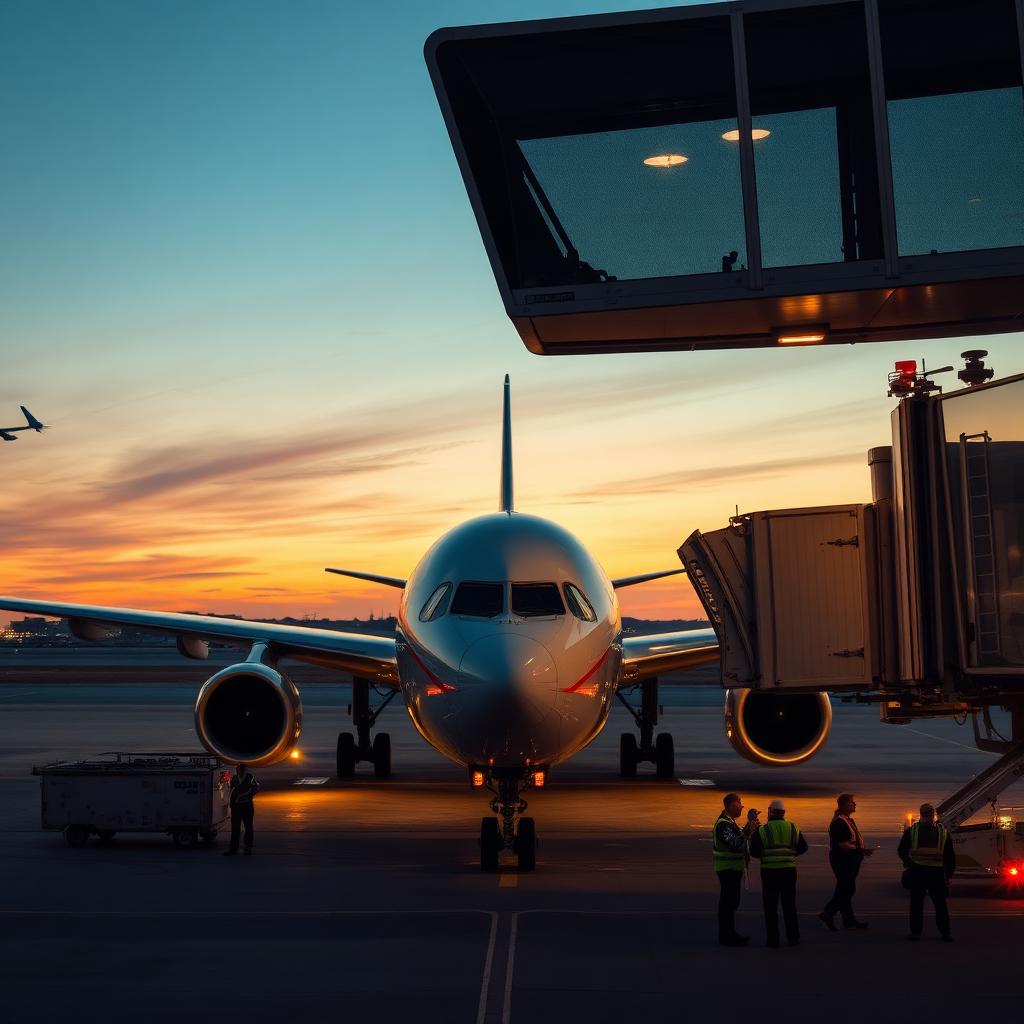
Air New Zealand aircraft, shown as the airline resets its strategy under chief executive Nikhil Ravishankar.
Air New Zealand chief executive Nikhil Ravishankar has set out a strategy reset that aims to pull the airline back toward profitability by targeting premium inbound visitors, sharpening domestic business travel and rebuilding operational reliability. The reset was presented as the airline also confirmed fresh Boeing manufacturing delays had pushed back delivery of two new 787 Dreamliners.
The reset, called Te Pae Hou - Our Future, was presented to investors and analysts after a board-ordered review that followed Ravishankar's appointment in October 2025. The strategy rests on three priorities: customer first, targeted growth and being resilient and future fit. The stated ambition is to become the world's most respected airline, but the near-term challenge is more practical: rebuild performance while managing aircraft, cost and demand constraints.
Ravishankar said Air New Zealand would focus on inbound premium tourists who choose New Zealand as a bucket-list trip and value a calm, distinctively Kiwi experience. That is a travel-market bet as much as an airline strategy. Long-haul premium visitors can bring higher yields, stronger tourism spend and better use of international cabins. The risk is that New Zealand is expensive and distant, so the airline must convert interest into bookings while competing with other long-haul destinations.
The reset also keeps regional travel in view. Ravishankar was targeting business commuters and road warriors who underpin the regional network, saying they take an average of four to five trips a year and make up 17 percent of passengers but more than 35 percent of regional contributions. Costs remain central. The airline is targeting about $100 million in annualised savings from the 2027 financial year, including through an organisational restructure.
The Dreamliner delay complicates the ambition. Manufacturing delays have pushed the first two new 787 deliveries into the first half of the 2027 financial year. Delayed aircraft affect capacity, route planning, capital spending and the airline's ability to refresh the passenger experience that premium travellers are being asked to buy. For travellers, the reset will be judged by fares, reliability, route availability and service standards rather than investor language.
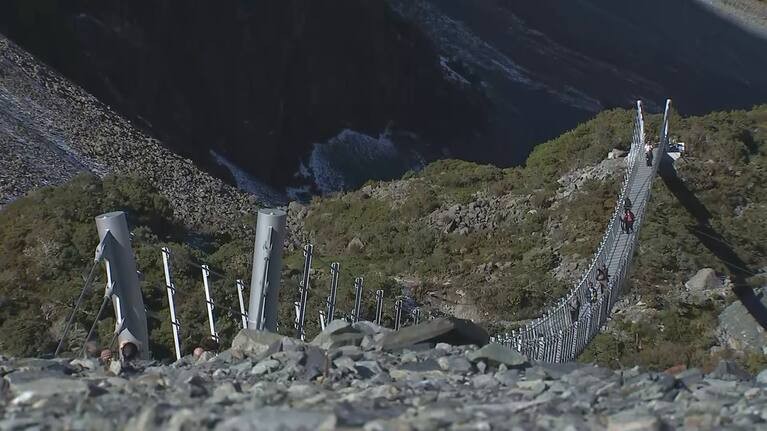
Bridge architect and engineer Dan Crocker has helped reopen one of New Zealand's best-known alpine walking routes, with the new Hooker Valley suspension bridge opening at Aoraki Mount Cook National Park.
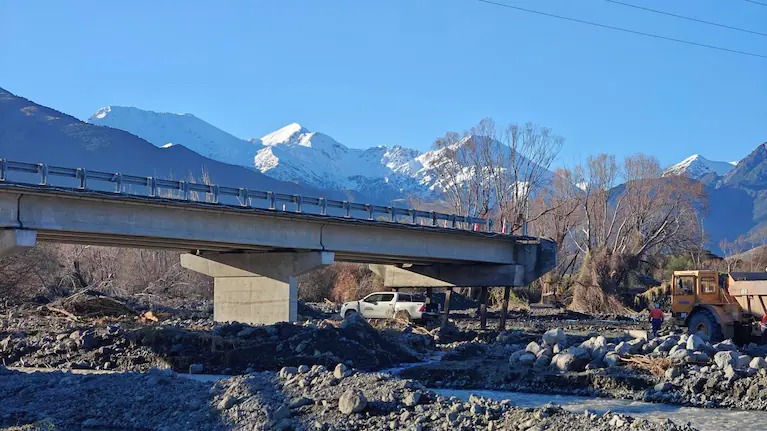
Kaikoura Mayor Craig Mackle is urging visitors to keep coming to town while avoiding damaged rural roads, after severe July flooding left the district balancing tourism recovery with ongoing infrastructure risk.
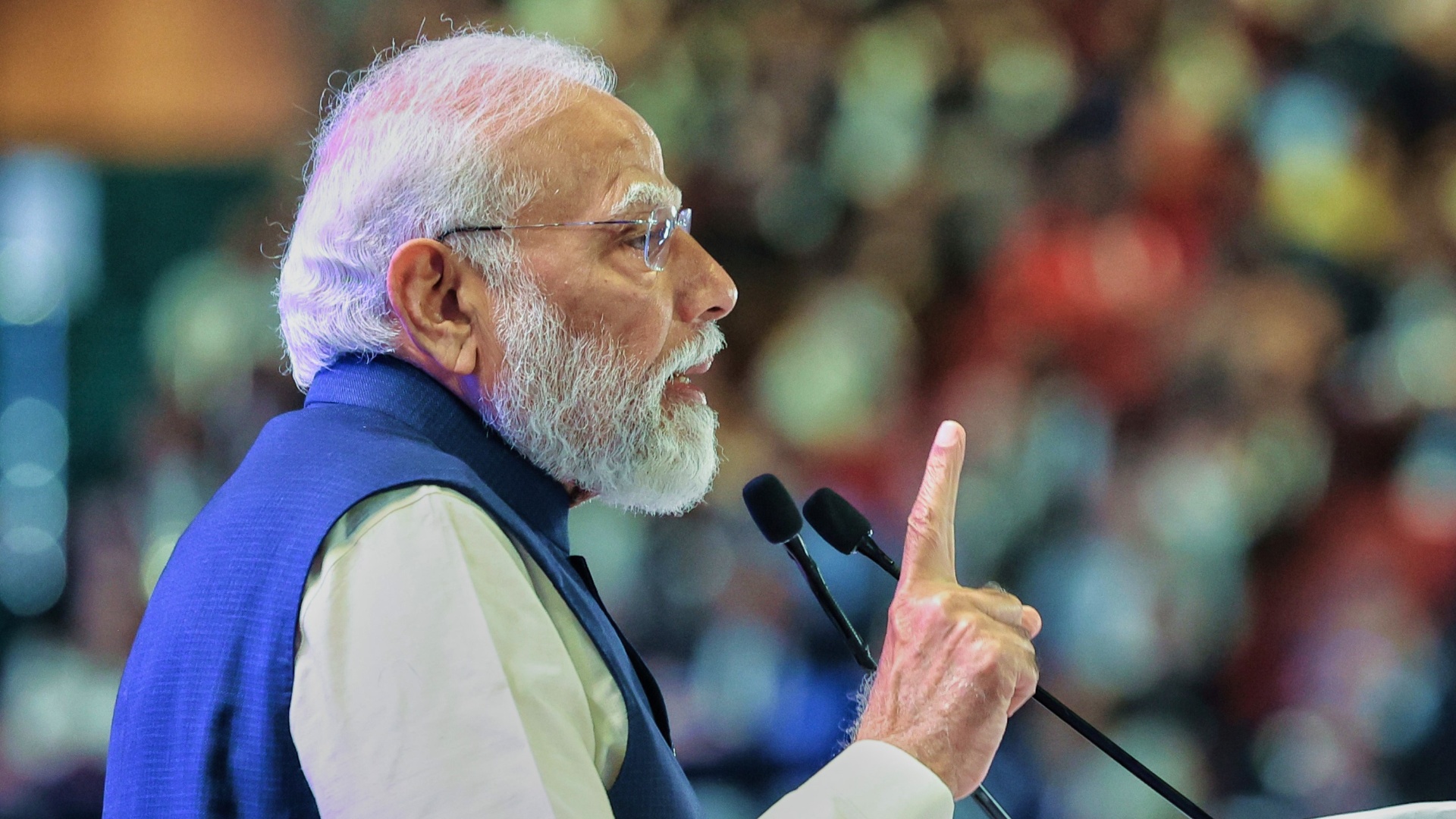
Indian Prime Minister Narendra Modi will visit Auckland on 10-11 July in the first official visit by an Indian prime minister in 40 years, following the signing of the New Zealand-India Free Trade Agreement earlier this year.