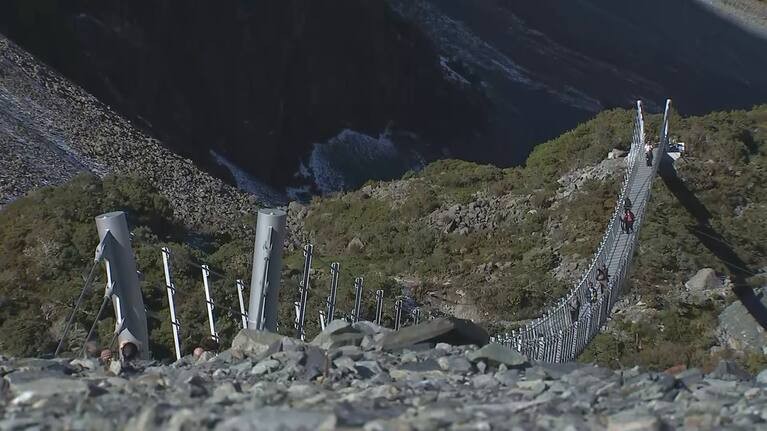
Bridge architect and engineer Dan Crocker has helped reopen one of New Zealand's best-known alpine walking routes, with the new Hooker Valley suspension bridge opening at Aoraki Mount Cook National Park.
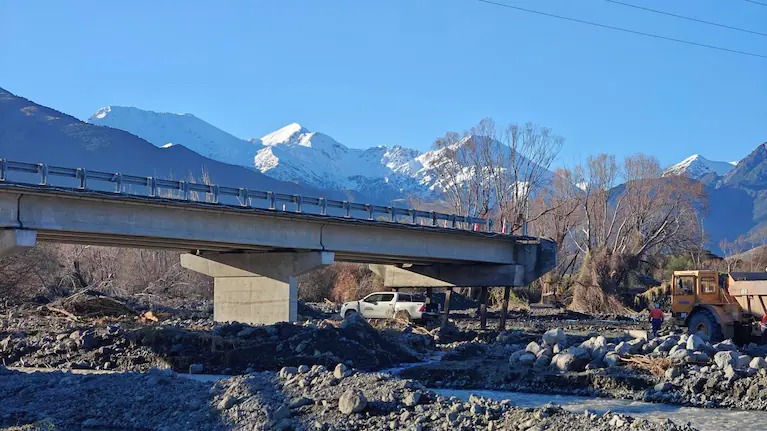
1News reported on 28 July that the new bridge opened that day, replacing an older bridge that closed after storm erosion in April last year. It spans 189 metres across the Hooker River, making it the longest suspension bridge in the country. The Department of Conservation had announced on 22 July that the bridge would open to the public on the afternoon of Tuesday 28 July after final checks and finishing work.
For travellers, the opening is significant because the Hooker Valley Track is one of the South Island's most recognisable short walks. DOC's track information says the new second swing bridge over the Hooker River opened in July 2026 and confirms the 189 metre length. The route gives visitors access to views of Mueller Lake, Mueller Glacier, Mount Sefton and the wider Aoraki Mount Cook landscape. When a bridge on that track closes, the effect reaches accommodation providers, guides, cafes, transport operators and travellers who build itineraries around the national park.
Crocker told RNZ's Checkpoint, carried by 1News, that seeing the bridge finished was amazing after the work needed to reach that point. The engineering challenge was not just span length. The site is remote, exposed and alpine. 1News reported that construction began in August last year and that workers faced gales and snowfall. Crocker said conventional bridge construction with cranes and concrete trucks was not possible in that environment, so materials had to come in by helicopter.
That detail explains why the opening took time and why the new structure matters. An alpine bridge has to carry walkers, survive changing river conditions, and be built with limited access. It also has to fit into a national park setting where the visual impact and visitor experience matter. A bridge that looks ordinary on a plan can become a major construction problem when every component has to be flown, placed and secured in mountain weather.
The travel message should be practical rather than promotional. The bridge is open, but visitors still need to treat the Hooker Valley as an alpine environment. Weather can change quickly, track surfaces can be icy or wet, and winter daylight is limited. Anyone planning the walk should check DOC conditions, carry warm layers, stay on the marked track and turn back if conditions deteriorate.
The opening also shows why maintenance funding and resilience planning matter for tourism. Iconic tracks do not stay open by reputation alone. They depend on inspections, replacement work, environmental monitoring and decisions about whether to repair, reroute or rebuild after storms and erosion. The Hooker Valley bridge is now a visible symbol of that investment.
For Kiwi News Desk readers, the outcome is good news with a clear date and place: a closed section of a major national park experience has been restored, and New Zealand now has its longest suspension bridge on one of its most visited alpine walks.