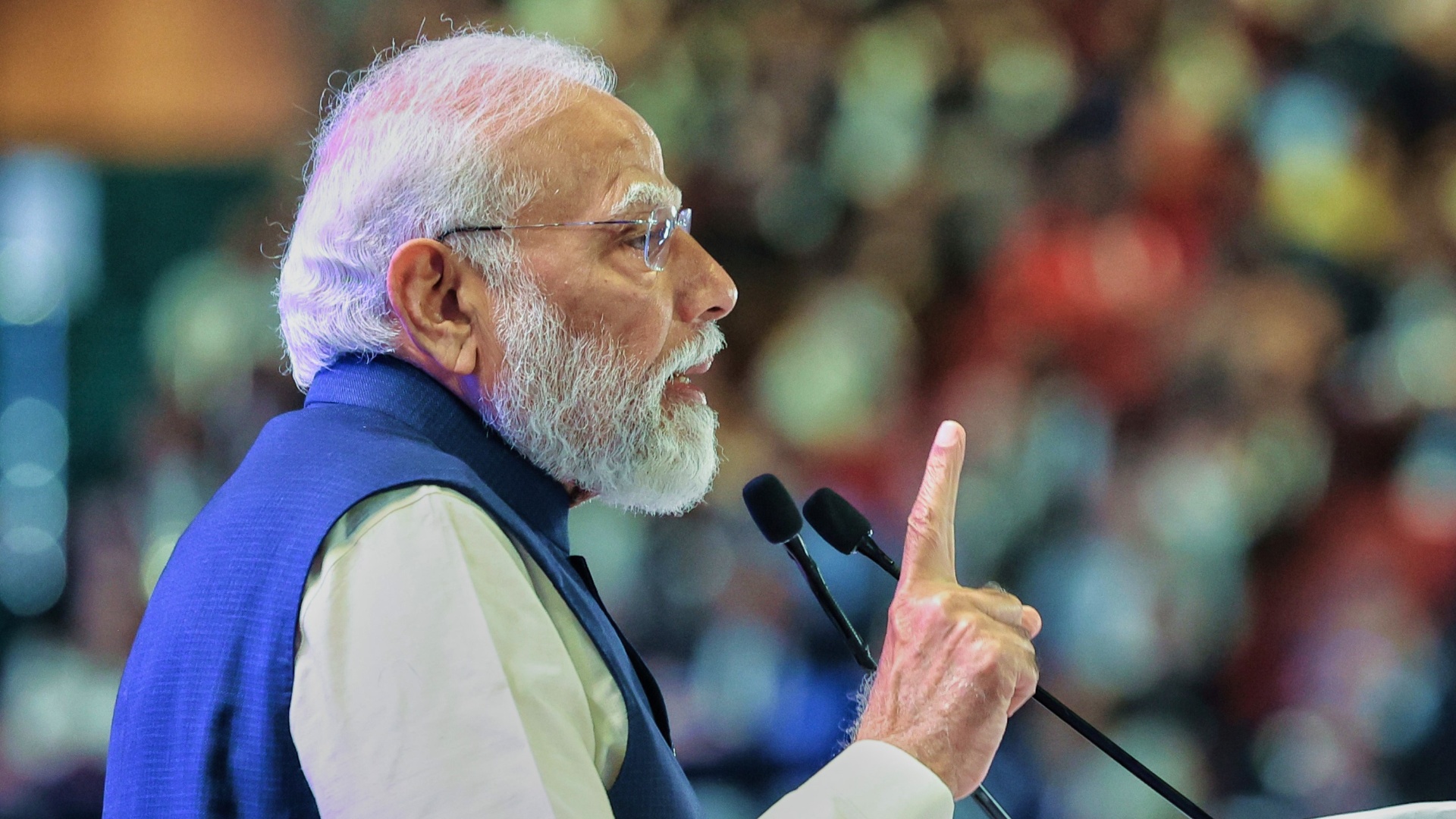
Indian Prime Minister Narendra Modi will make his first official visit to New Zealand next week, in what 1News reported will be the first official visit from an Indian prime minister in 40 years. The report says Modi will arrive in Auckland on 10 July and depart on 11 July, giving the visit a short but symbolically important place in New Zealand's foreign affairs and travel calendar.
Prime Minister Christopher Luxon said the visit reflects the growing relationship between the two countries, following the signing of the New Zealand-India Free Trade Agreement earlier this year. 1News reported that the agreement aims to reduce or eliminate tariffs on 95 percent of New Zealand exports to India once fully implemented, with 57 percent becoming tariff-free immediately. That trade context is why the visit matters beyond diplomatic ceremony.
The agenda is expected to include trade and investment, maritime security, education, technology, tourism, sport and global issues. Each of those areas carries practical weight. India is one of the world's largest economies and a major source of students, tourists, migrants, technology links and potential business partnerships. New Zealand, by contrast, is a smaller market looking for diversification and deeper connections beyond its traditional partners. That makes even a short visit commercially and politically useful if it creates concrete follow-up.
Tourism is one of the immediate public-facing angles. High-level visits can lift awareness, create business delegations and support aviation, education and visitor-economy relationships. The value is not measured only by one leader's arrival in Auckland. It is measured by whether airlines, exporters, universities, tourism operators and technology firms can convert political attention into longer-term commercial and people-to-people links.
The visit also has a strong community dimension. Luxon noted that Kiwi-Indians make up around 6 percent of New Zealand's population and are strongly represented across business, technology, health, science and other sectors. That means the visit is not only a state-to-state event. It lands in a country where the Indian diaspora is already part of daily civic, professional and cultural life.
Security and global issues will also be in the background. New Zealand and India both operate in an Indo-Pacific region shaped by maritime routes, strategic competition, climate pressure and shifting trade patterns. For Wellington, a stronger relationship with Delhi is a way to broaden options. For India, New Zealand is small but politically stable, connected to Pacific networks and valuable as part of a wider web of partnerships.
The visit will be watched for substance. A two-day stop can produce warm language, but the important questions are what follows: tariff implementation, education flows, visitor numbers, technology cooperation and whether businesses on both sides find easier ways to work together. Because Luxon and Modi last met in India in March 2025, the Auckland visit also gives both leaders a visible follow-up point rather than a cold restart. The first official Indian prime ministerial visit in four decades gives both governments a rare moment of attention. The test will be whether it becomes a platform rather than a photo opportunity.