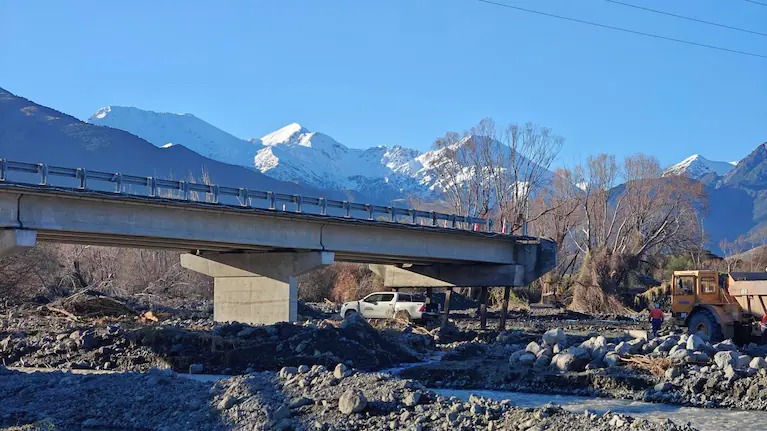
Kaikoura Mayor Craig Mackle is urging visitors to keep coming to town while avoiding damaged rural roads, after severe July flooding left the district balancing tourism recovery with ongoing infrastructure risk.
1News, carrying Local Democracy Reporting, said Mackle's message was that Kaikoura township had come through the event largely unscathed and operators were open for business, but the rural community had not been so lucky. The report said an estimated 450 millimetres of rain fell on July 7 and 8, with floodwaters moving a huge amount of gravel and sediment down the Kowhai River. Mackle said there was still plenty of room in town and that it was one of the best times of year to see whales.
That distinction is important for travellers. A district can be open and still have serious local hazards. Visitors heading to accommodation, whale-watching, cafes, restaurants and town attractions should not assume the whole area is closed because rural roads are damaged. At the same time, they should not treat open-for-business messaging as permission to explore back roads, bridges or flood-hit areas that are still being assessed.
Kaikoura has been through this kind of split recovery before. The district's visitor economy relies on confidence in access, but its geography means roads can be vulnerable to rain, slips, river movement and coastal disruption. When transport networks are damaged, the effect moves quickly through operators. Cancellations hurt motels, tour companies, food outlets, fuel stops, guides and suppliers. A clear message from the mayor can therefore protect income as well as safety.
The July flood also shows why rural recovery can lag behind town recovery. Main visitor routes may be prioritised for reopening because they carry high traffic volumes and economic value. Rural roads and bridges, by contrast, may connect farms, households and smaller settlements where damage is scattered across multiple points. Farmers can face stock losses, access problems, fencing work and supply interruptions long after tourists have returned to the waterfront.
For visitors, the practical approach is to plan around official information. Check road status before leaving, stay on main advised routes, avoid sightseeing on damaged rural roads and allow extra time if crews are working. If an operator says a trip is running, follow their instructions. If a road is closed, do not drive around signs to inspect damage. Flood-hit roads can be undermined even when the surface looks passable.
For local businesses, the challenge is communication. They need visitors to know Kaikoura is still worth visiting, especially in winter when whale watching and local hospitality remain strong draws. But they also need the message to be precise enough that it does not put extra pressure on rural recovery areas.
For Kiwi News Desk readers, Mackle's position is measured: come to town, support local operators and enjoy the season, but leave rural flood recovery to contractors, residents and council staff. That is the balance Kaikoura needs while it repairs roads and keeps its visitor economy moving.
The next few weeks will show whether that balance holds. If visitors return carefully, tourism income can help the district through winter. If people ignore rural-road warnings, recovery crews and residents inherit extra risk at exactly the wrong time.