The closing day for Meridian's Community Decarbonisation Fund is a useful reminder that climate work often happens far from the scale of national targets.
Applications close at midnight on Monday, 12 October, with up to $3 million available for community organisations that can reduce emissions while improving local services. The fund is designed for practical electrification and renewable-energy projects, including solar panels, batteries, electric vehicles, electric boilers, battery-powered tools and other projects that replace fossil fuel use.
That may sound modest beside the language of national emissions budgets, but this is where many communities actually encounter the transition: a van that no longer needs diesel, a community building with lower power costs, a pool pump changed over, a volunteer group using battery-powered equipment, or a local organisation freeing up operating money by cutting fuel and energy bills.
This year's round is the largest since the fund began in 2022. Meridian says up to $2 million comes from the net proceeds of its Certified Renewable Energy customers, with the company adding up to another $1 million. Last year, $1.8 million was shared between 37 groups.
The fund is also becoming more competitive. Meridian says 197 groups had an application underway one week before closing, about 70 more than at the same stage last year. That interest says something about demand. Community organisations often know exactly where waste and cost sit in their own operations, but the capital needed to change equipment can be harder to find than the idea itself.
The eligibility settings are deliberately practical. Projects must be community based, have a total value below $200,000, reduce greenhouse gas emissions and need the funding to proceed or to happen sooner. Schools, councils and government entities are not eligible. Successful applicants are due to be notified from 13 November, with funding scheduled for release from 1 December once contracts are complete.
That timetable matters because the strongest projects are likely to be those that are already close to delivery. A small community group replacing a petrol van, a social service installing solar, or an environmental trust switching tools can move faster than a large infrastructure programme. The public benefit can be immediate: lower running costs, fewer emissions and more money left for the community work itself.
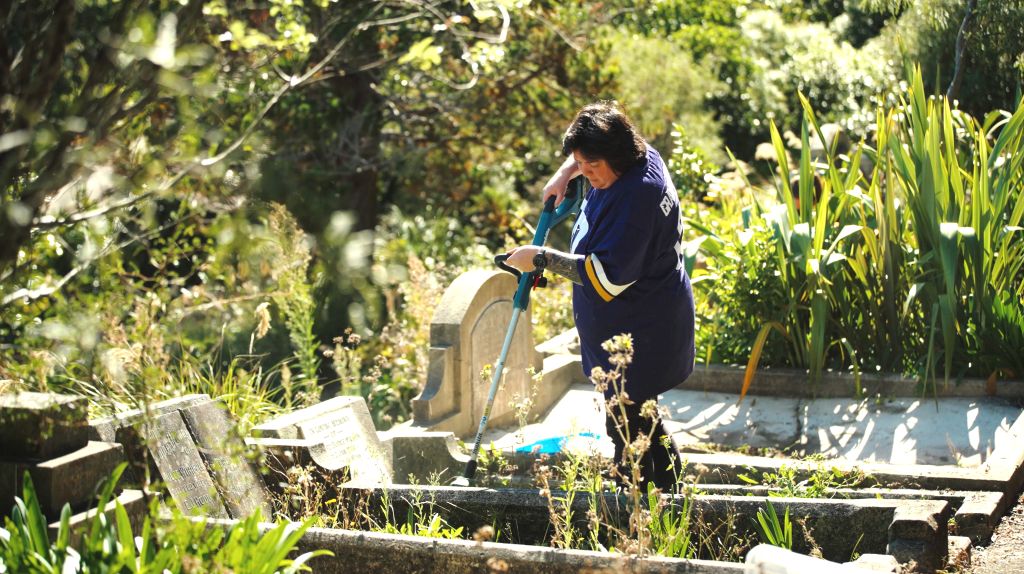
The supplied example of The Graveyard Shift captures the point. A volunteer group restoring neglected graves may not be the first image people have in mind when they hear "decarbonisation", but electric tools can make that work cleaner, cheaper and easier to sustain. That is the value of a broad fund. It lets local people define the problems they are actually solving.
The challenge is to keep the fund from becoming a nice-to-have grant round rather than a measurable climate tool. Projects should show clear emissions savings, realistic budgets and evidence that the community benefit will last beyond the first burst of publicity.
But the basic direction is sound. National climate policy can feel distant when it is expressed only in tonnes, targets and sector plans. A fund like this brings the question closer to ground level: what can a community organisation change this year that will cut emissions, reduce bills and make its service stronger?
With applications closing tonight, the answer now depends on the quality of the ideas in the queue and whether enough local groups can turn practical fixes into lasting gains.