Otago Central Lakes Deal Turns Growth Pressure Into A 30-Year Test
A new Otago Central Lakes regional deal gives central and local government six months to turn a growth partnership into a practical delivery programme.
Kiwi News Desk··4 min read
A new Otago Central Lakes regional deal gives central and local government six months to turn a growth partnership into a practical delivery programme.
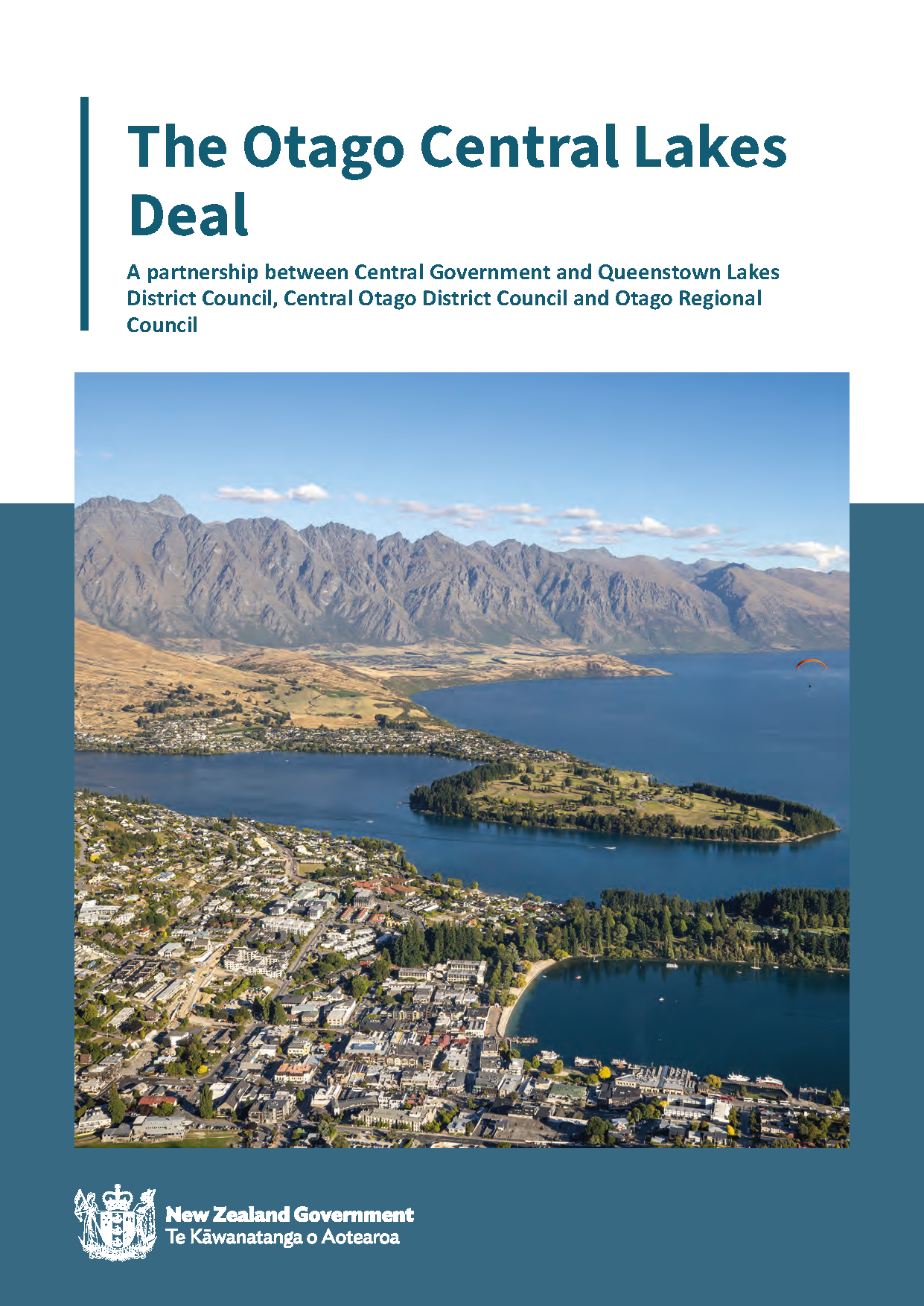
The Otago Central Lakes regional deal sets a long-term framework for growth, infrastructure and investment.
Otago Central Lakes has a new regional deal, but the useful question now is not whether the signing was significant. It is whether the region can turn a 30-year partnership into decisions that residents can actually feel.
The deal brings central government together with Queenstown Lakes District Council, Central Otago District Council and Otago Regional Council. Its stated purpose is to help one of the country's fastest-growing areas keep pace with housing, infrastructure and economic demand while protecting the natural assets that make the region valuable in the first place.
That balance is the hard part. Queenstown, Wanaka, Cromwell and surrounding communities are not only visitor destinations. They are labour markets, family towns, freight corridors, education hubs and places where the cost of growth shows up quickly in roads, water, housing and local services. A broad regional deal matters because none of those pressures sits neatly inside one council boundary.
The next six months will be the first credibility test. The parties are expected to develop an implementation plan that turns the deal's commitments into agreed actions. That timetable is short enough to matter, but long enough for the public to ask what will be prioritised first, how progress will be measured, and which projects will shift from aspiration to delivery.
Local leaders framed the deal as a long-term partnership rather than a one-off funding announcement. That is the right framing. The region's growth problem is not a single missing road, school, pipe, clinic or power connection. It is the accumulation of demand across many systems at once. If the deal works, it should make those systems talk to each other earlier and more honestly.
The environmental dimension is just as important. Otago's lakes, rivers, mountains and productive landscapes are part of the economy, not scenery sitting beside it. Growth planning that treats them as an afterthought will invite higher costs later, whether through congestion, flood exposure, degraded visitor experience or community resistance.
For residents, the deal should be judged on practical outcomes: better sequencing of infrastructure, clearer housing pathways, more resilient transport links, and visible coordination between councils and ministers. For businesses, it should reduce uncertainty about where investment will be supported and where capacity constraints will bite.
The signing gives Otago Central Lakes a framework. The implementation plan will show whether that framework has weight.
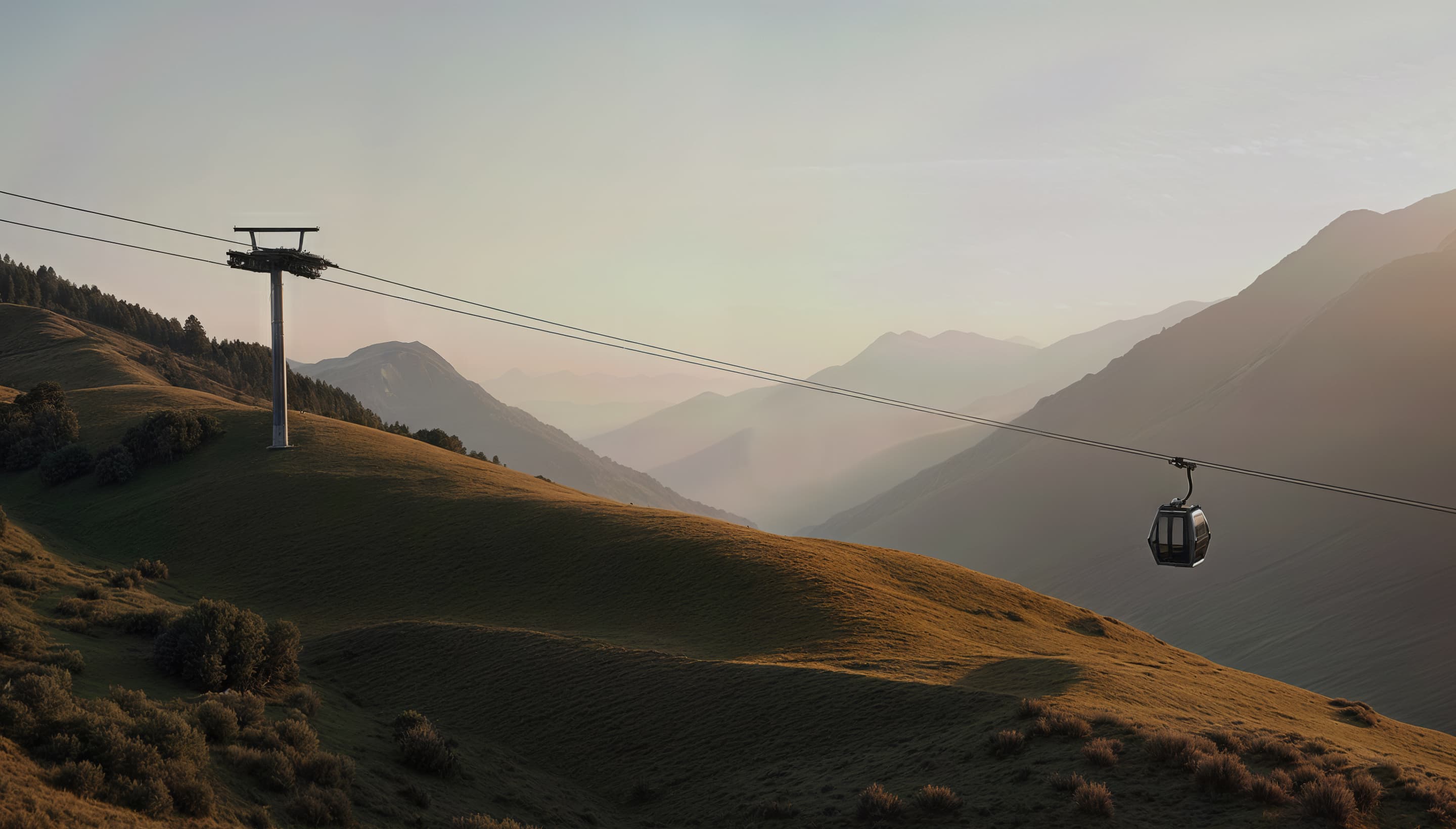
A proposed Queenstown cable-car network has secured an initial $265 million lending agreement, sharpening the district's debate over growth, congestion and private infrastructure finance.
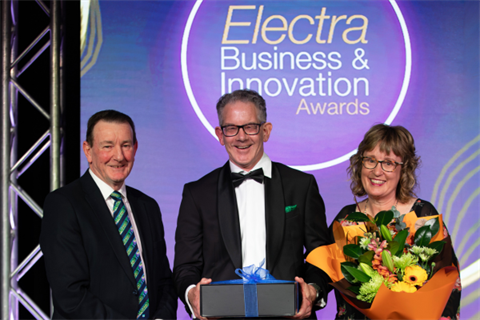
The Electra Business and Innovation Awards in Levin highlighted food producers, retailers, trades and service businesses as Horowhenua's local economy took centre stage.
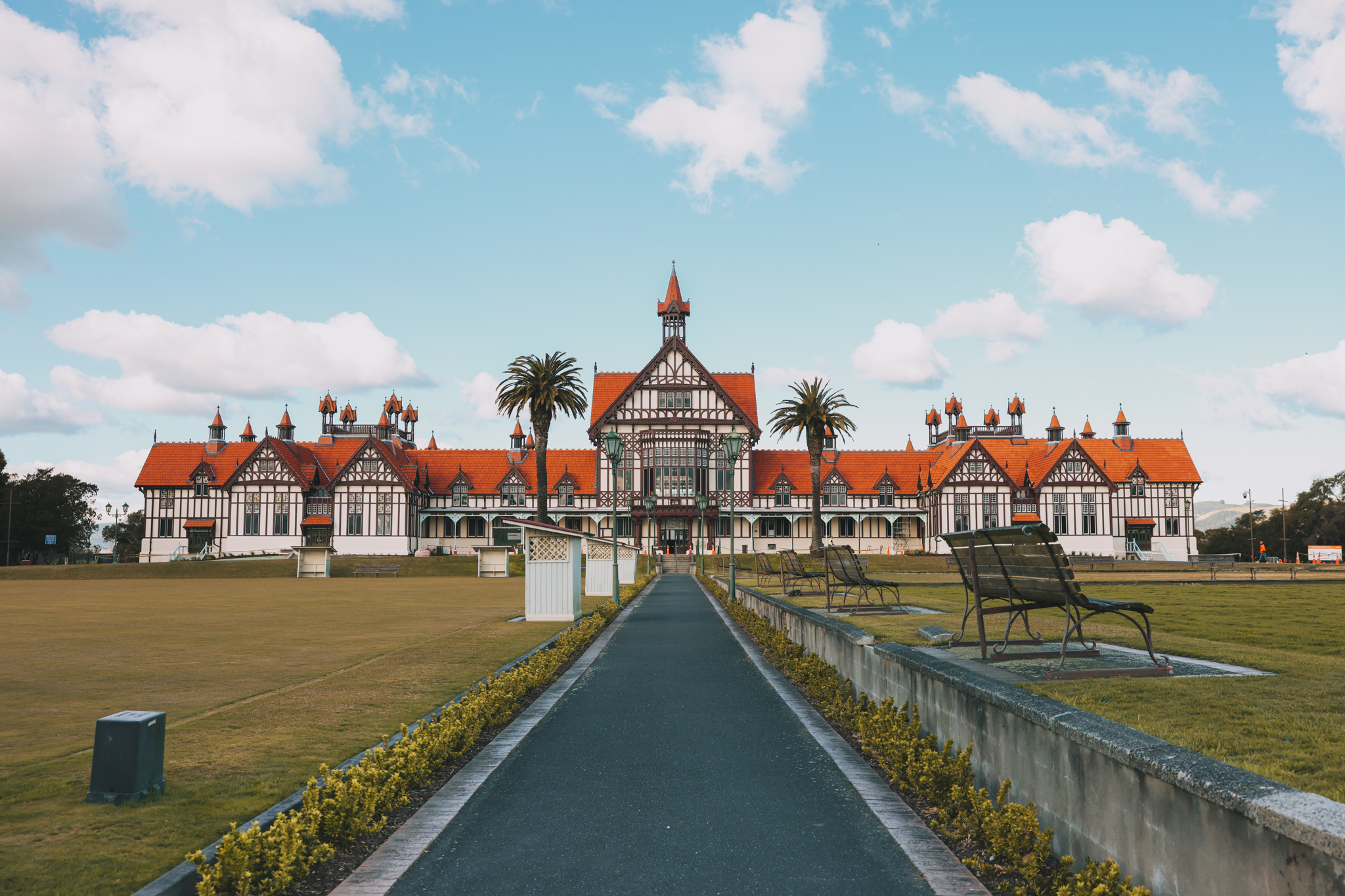
Rotorua Museum Te Whare Taonga o Te Arawa has been formally blessed after major restoration and strengthening work, marking a shift from construction site back toward public taonga as the city works toward reopening in 2028.