Queenstown's cable-car proposal has moved from transport concept to financing test, after the Government announced an initial $265 million private lending agreement connected to the Active Investor Plus visa programme.
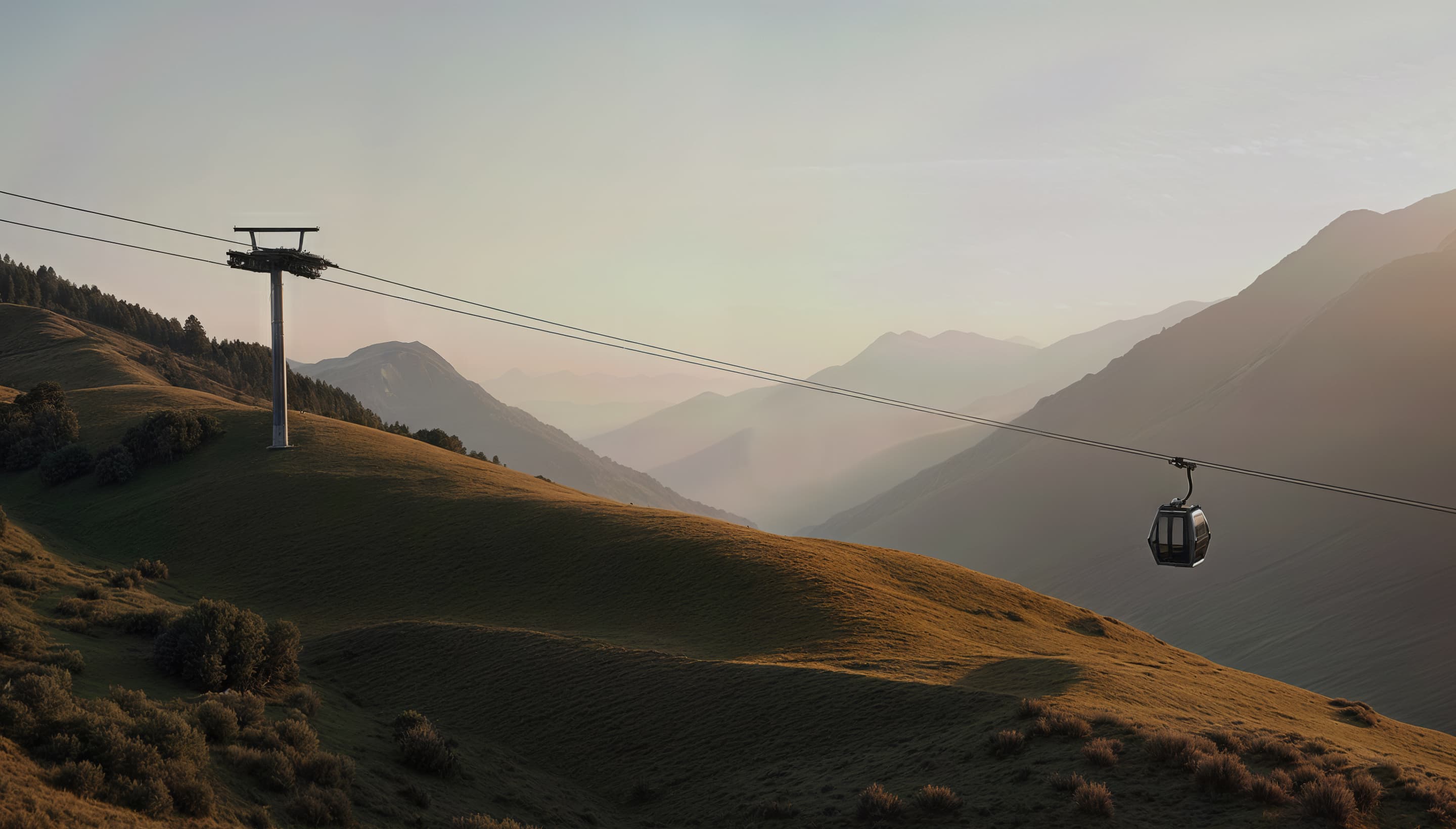
The project, led by Southern Infrastructure Limited, is intended to link central Queenstown, Frankton, Queenstown Airport and Ladies Mile. Supporters argue that an aerial public-transport network could move large numbers of people without trying to force another major road corridor through a constrained alpine district.
The funding announcement does not mean the cable car is ready to build. The proposed lending facility remains subject to due diligence, credit approval and final documentation. The project also still has design, consenting and commercial steps ahead of it. Those caveats matter, because Queenstown transport ideas have often been easiest to admire at concept stage and hardest to land when money, land, landscape effects and public confidence are tested.
Still, the scale of the agreement changes the conversation. A $265 million private lending proposal is large enough to show that infrastructure finance is no longer only a government-budget question. Private capital, especially through approved investment funds, is being pitched as part of the answer for regions where growth is outpacing traditional delivery models.
That raises useful questions. If overseas investment capital helps finance a local transport network, residents will want clarity on who carries risk, who pays over time, how fares or access are managed, and how public benefit is protected. A cable car that improves movement for workers, visitors and residents would be a major asset. A project that solves one bottleneck while creating new equity, visual or land-use concerns would face a harder path.
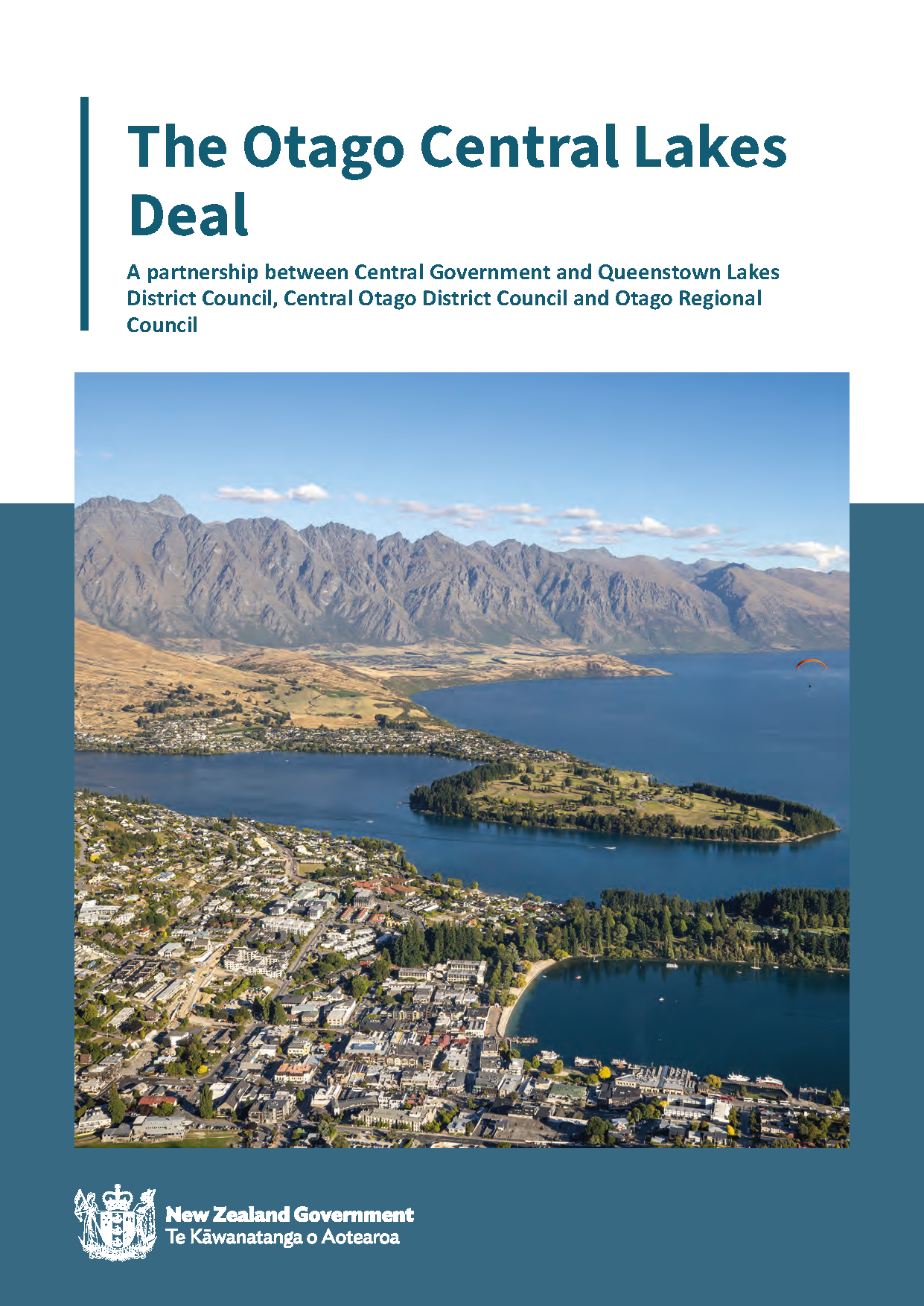
Queenstown is an obvious place for the debate. Growth has pushed pressure onto roads that were never designed for the movement now expected of them. The airport, town centre, Frankton and Ladies Mile are linked by daily commuter, visitor and service traffic. The district's geography limits easy road widening, and the visitor economy depends on reliability as much as scenery.
The best case for the cable car is not novelty. It is whether it can provide predictable, high-capacity trips through a corridor where conventional fixes are expensive and disruptive. The best case against rushing is equally plain: major transport infrastructure should prove its consentability, economics and community fit before it is treated as inevitable.
The financing milestone puts Queenstown's transport future back in public view. The next stage has to show whether private capital can support a solution that works on the ground, not only in a proposal.