What small business resilience actually looks like
Resilience is less about heroics and more about quiet habits that compound. A few patterns worth noticing.
Kiwi News Desk··5 min read
Resilience is less about heroics and more about quiet habits that compound. A few patterns worth noticing.
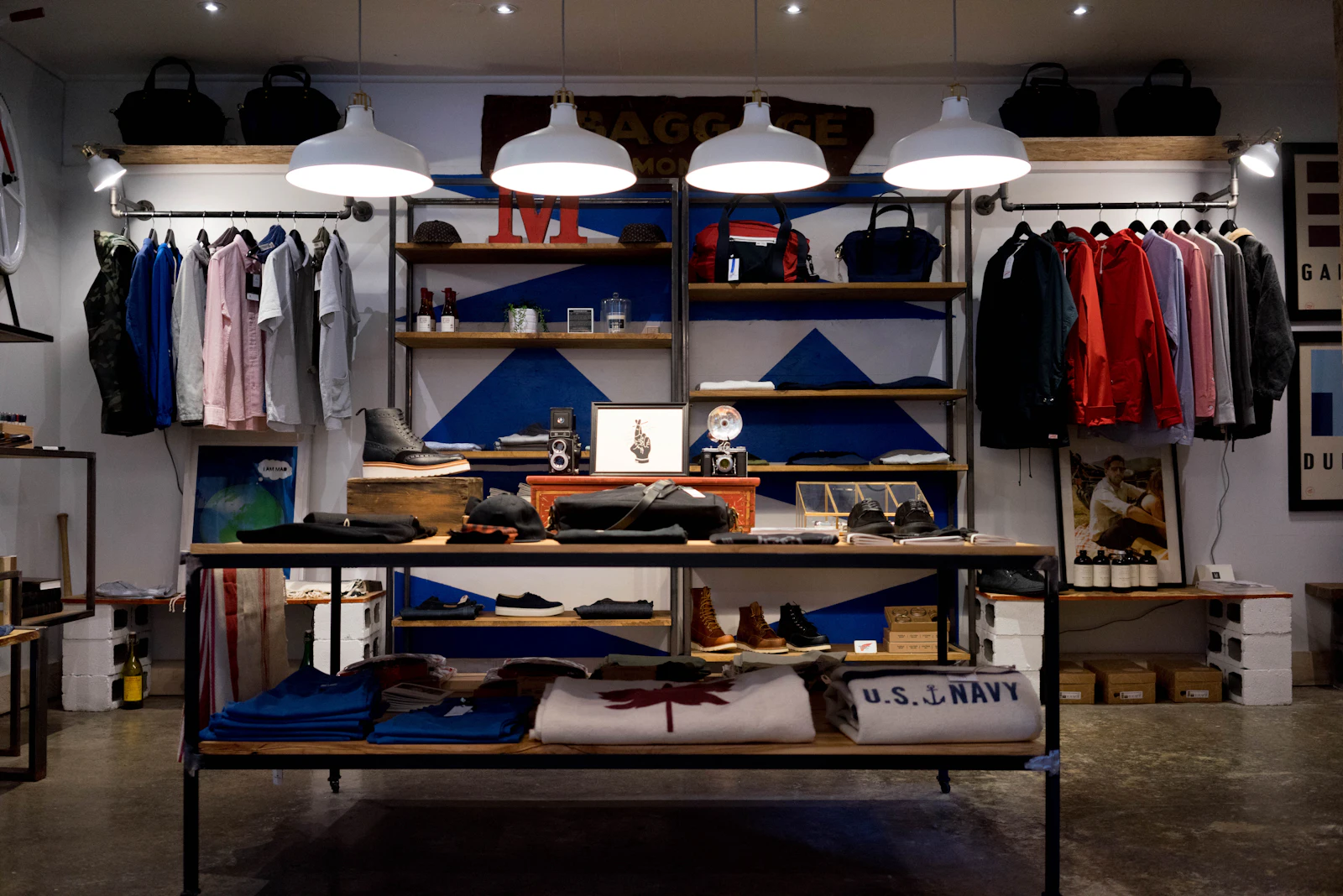
Independent storefront on a quiet street
Small businesses make up most of New Zealand's firms and a large share of its employment. Their fortunes rarely move in unison; a hard year for one sector can sit alongside a steady one for another, even on the same street.
Resilience in this part of the economy tends to be unglamorous. Sensible cash buffers, clear pricing, long relationships with suppliers and customers, and a willingness to step back from work that isn't paying. These habits don't make headlines, but they explain why some businesses make it through cycles that close others.
External shocks matter, but so do internal choices: how owners handle succession, how they price their own time, whether they let one big customer dominate their book.
Our small business coverage tries to take these long, ordinary stories seriously, rather than only writing about the openings and the closures.
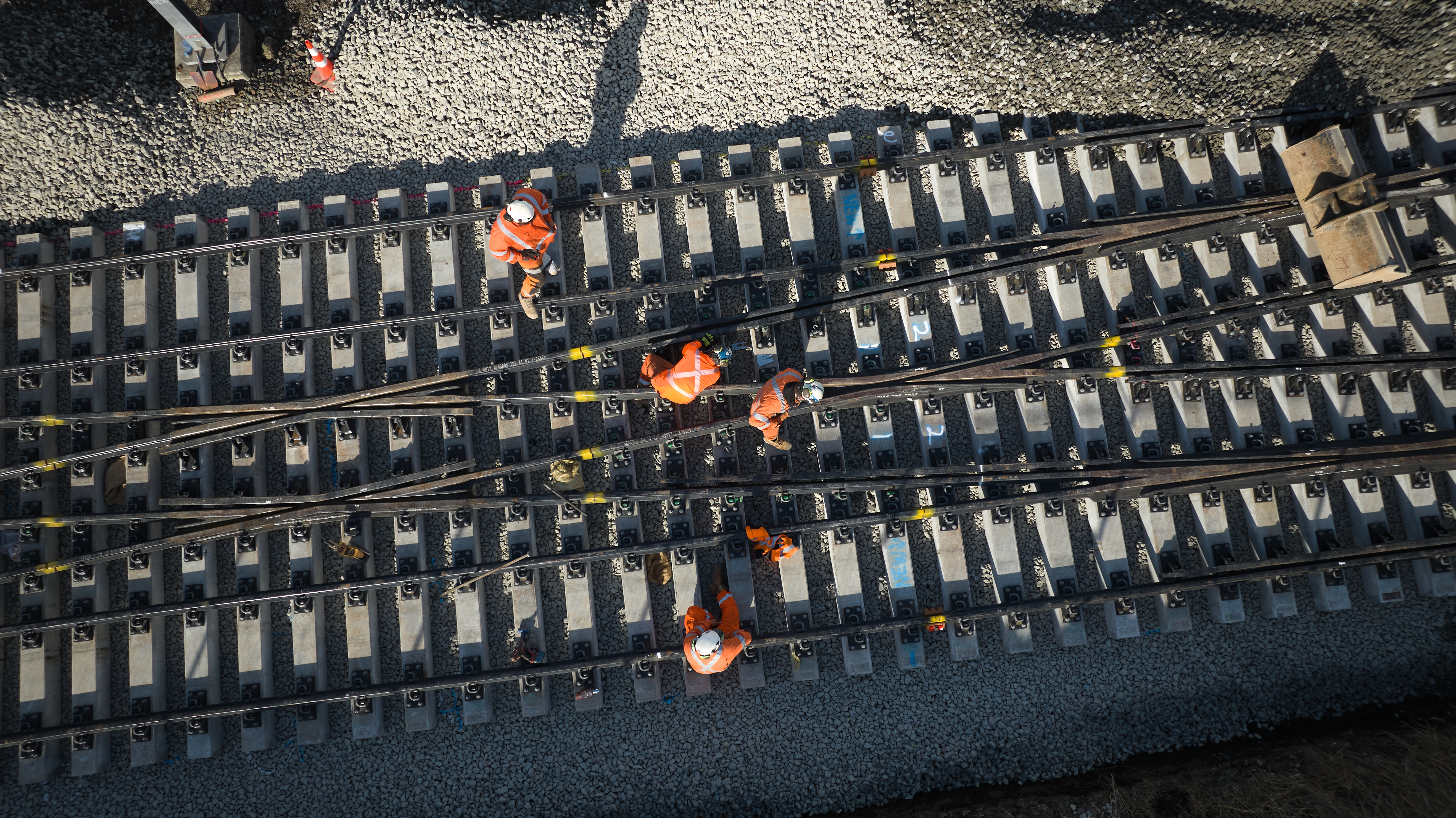
Rail Minister Winston Peters is pointing to KiwiRail's latest annual result as evidence the state-owned rail operator is improving its commercial position, with the Government citing a $162 million operating surplus and 11 percent growth in rail freight revenue.
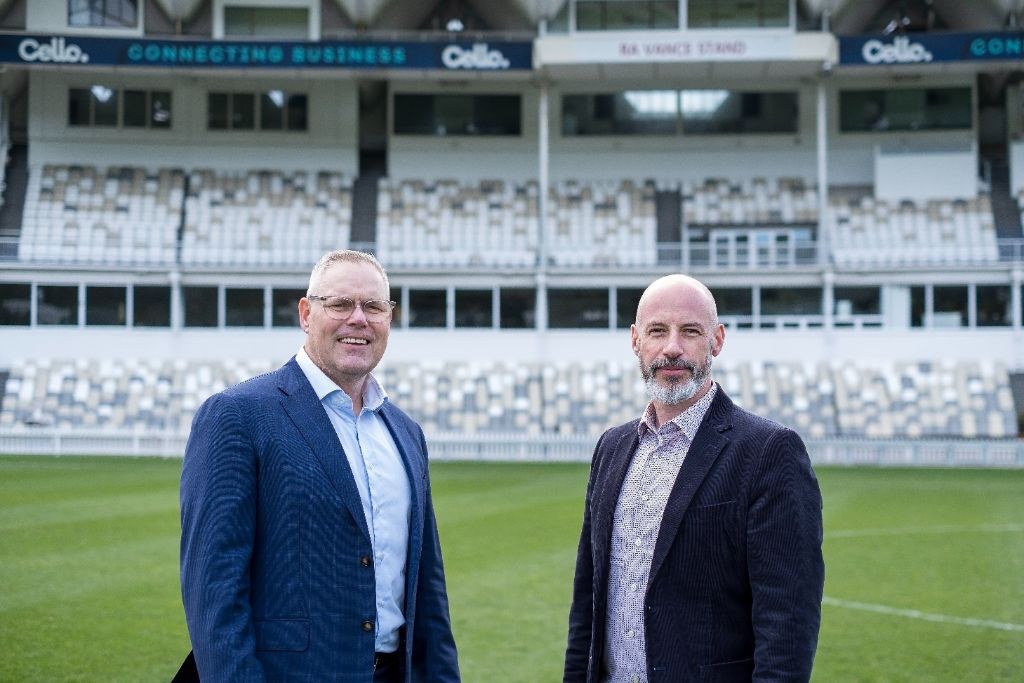
GKC Consulting founder Glen Patrick is bringing the observability and digital resilience business into Wellington-based Cello Group, in a New Zealand acquisition aimed at giving enterprise, corporate and government customers a more complete technology resilience offer.

The Earn as You Learn programme will expand into the Hutt Valley, Bay of Plenty, Christchurch and Auckland, giving more young people paid pathways into manufacturing jobs.