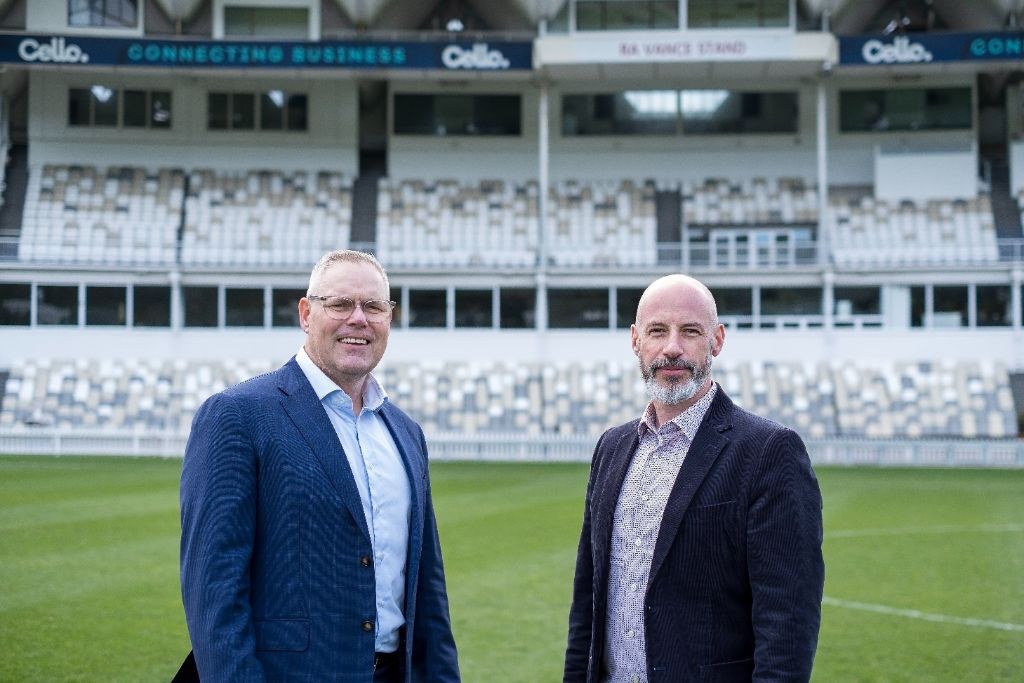
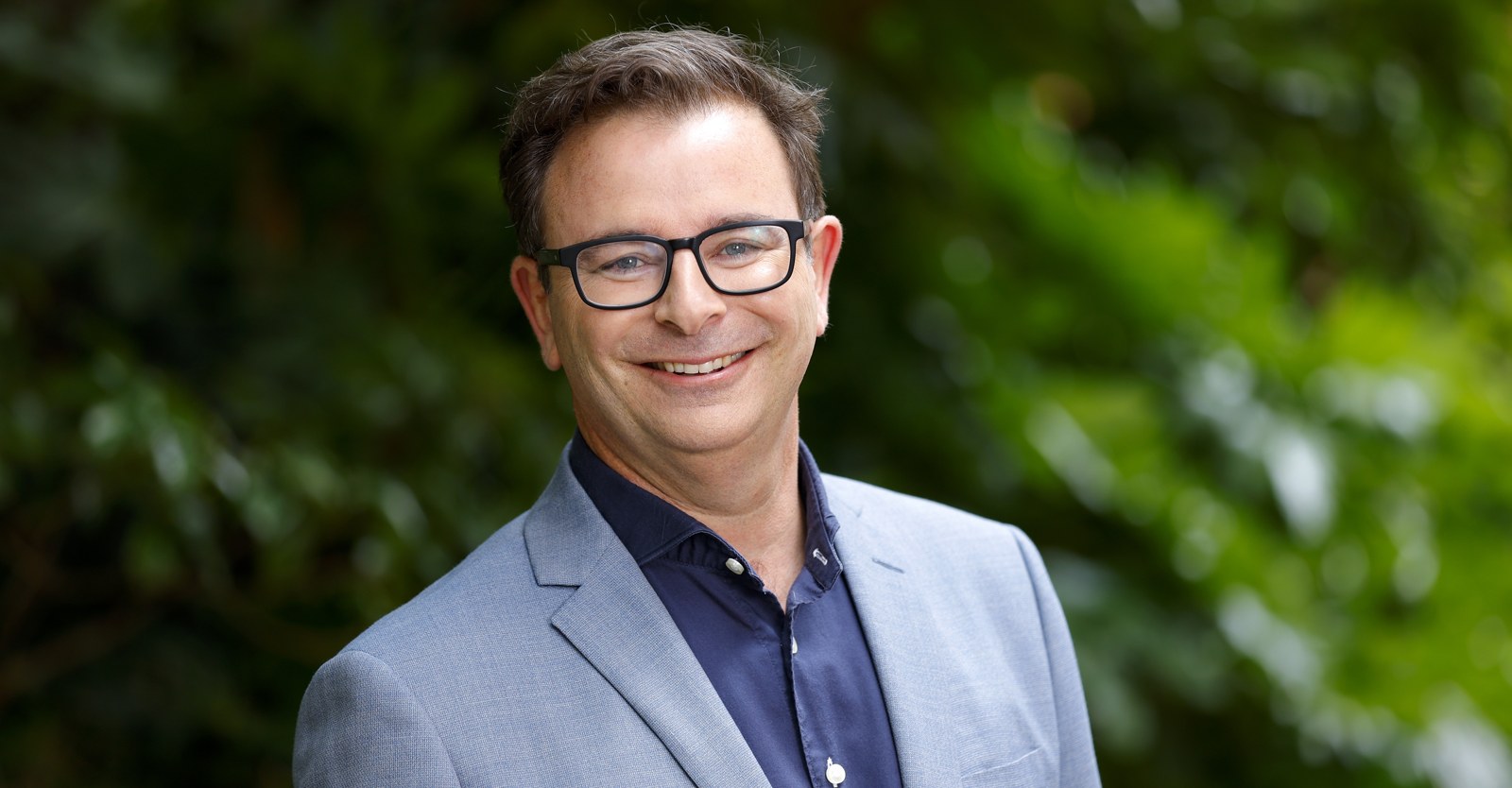
GKC Consulting founder and chief executive Glen Patrick is bringing the observability and digital resilience business into Cello Group, in a New Zealand acquisition aimed at giving enterprise, corporate and government customers a more complete technology resilience offer.
The Cello Group announcement, made on 4 August, said Wellington-based Cello had acquired GKC Consulting and would combine GKC's specialist observability work with Cello's enterprise networking, security and operations capability. It described Cello as a 100 percent New Zealand owned enterprise networking services provider with 130 staff and offices in Wellington, Auckland and Christchurch, and said GKC Consulting helps organisations understand complex digital environments, identify issues earlier and improve operational resilience.
The founder element matters because GKC's value sits in specialist expertise and long customer relationships, not just a product line that can be moved from one balance sheet to another. Patrick said GKC had been built around practical delivery, specialist expertise and strong relationships, and that those things would remain central to the business. He also said Cello was a strong fit because it is New Zealand owned, customer focused and already works with many of the same types of enterprise, corporate and government organisations.
For Cello, the acquisition gives the company a broader story at a time when customers are asking harder questions about resilience. Connectivity, cyber security, monitoring and incident response used to be treated as separate workstreams. In practice, they now collide. A network outage can become a customer-experience problem in minutes. A software or cloud incident can look like a security issue until the root cause is understood. A critical service can fail even when each individual supplier says its own piece is working.
That is why observability has become a business issue rather than a niche technical term. It is the ability to see what is happening across applications, infrastructure, networks and user journeys quickly enough to act. The real value is not a dashboard by itself. The value is reducing the time between an incident beginning, the right team understanding it, and the organisation fixing the cause in a way that prevents repeat failures.
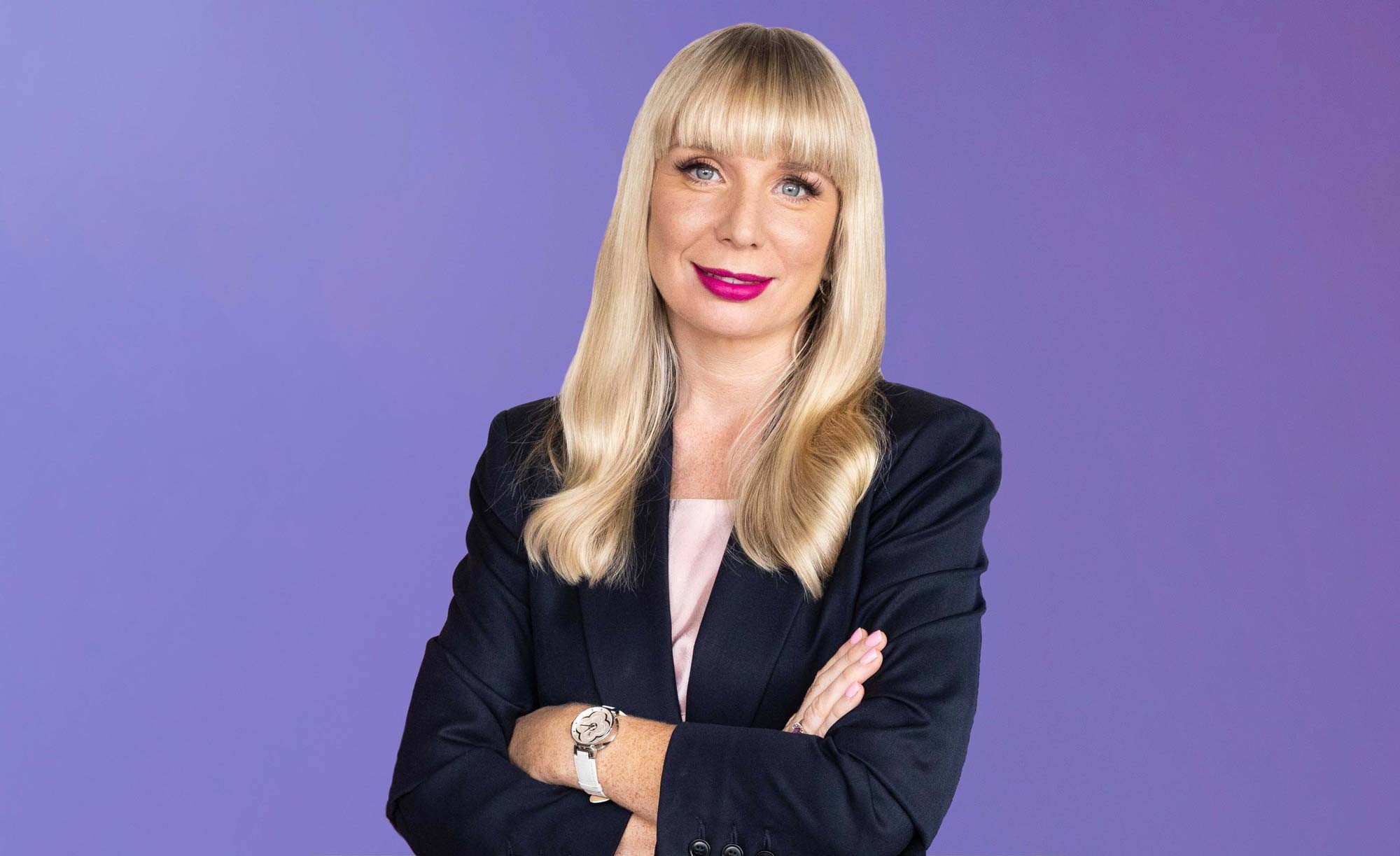
Cello managing director Andrew Allan framed the deal in those terms, saying customers increasingly need connectivity, security, visibility and resilience to be dealt with together rather than by multiple disconnected parties. He said the combined business could shorten the time between incident and resolution, root cause identification and remediation.
The acquisition also reflects a wider pattern in New Zealand technology services. Mid-sized and specialist providers are being asked to support more complex environments, especially as organisations rely on cloud platforms, hybrid networks, digital channels and outsourced operational systems. A provider that can offer network operations without observability may be too narrow. A provider that can diagnose application behaviour without controlling the network may also be limited. Cello's bet is that bringing the two together creates a more useful operating model for customers.
There are integration risks. Specialist consulting businesses can lose part of their edge if they are folded into a larger structure too quickly, or if founder-led customer trust is replaced by process. The announcement appears aware of that risk, saying Cello and GKC will continue to support existing customer commitments while working through where the combined capability can create new opportunities over time. That continuity will matter for clients who rely on GKC during incidents and operational reviews.
Commercial terms were not disclosed, so the scale of the transaction cannot be assessed from the public announcement. What can be assessed is the strategic signal. New Zealand-owned technology providers are trying to build deeper resilience capability at home, and customers are likely to keep rewarding firms that can connect monitoring, networks, security and practical response in one accountable service. The next test is whether the combined team can preserve GKC's specialist culture while using Cello's wider footprint to reach more customers.