Oceans and Fisheries Minister Shane Jones is seeking public feedback on proposed rock lobster management changes around Aotea Great Barrier Island, adding another local fishery decision to the wider Hauraki Gulf sustainability debate.
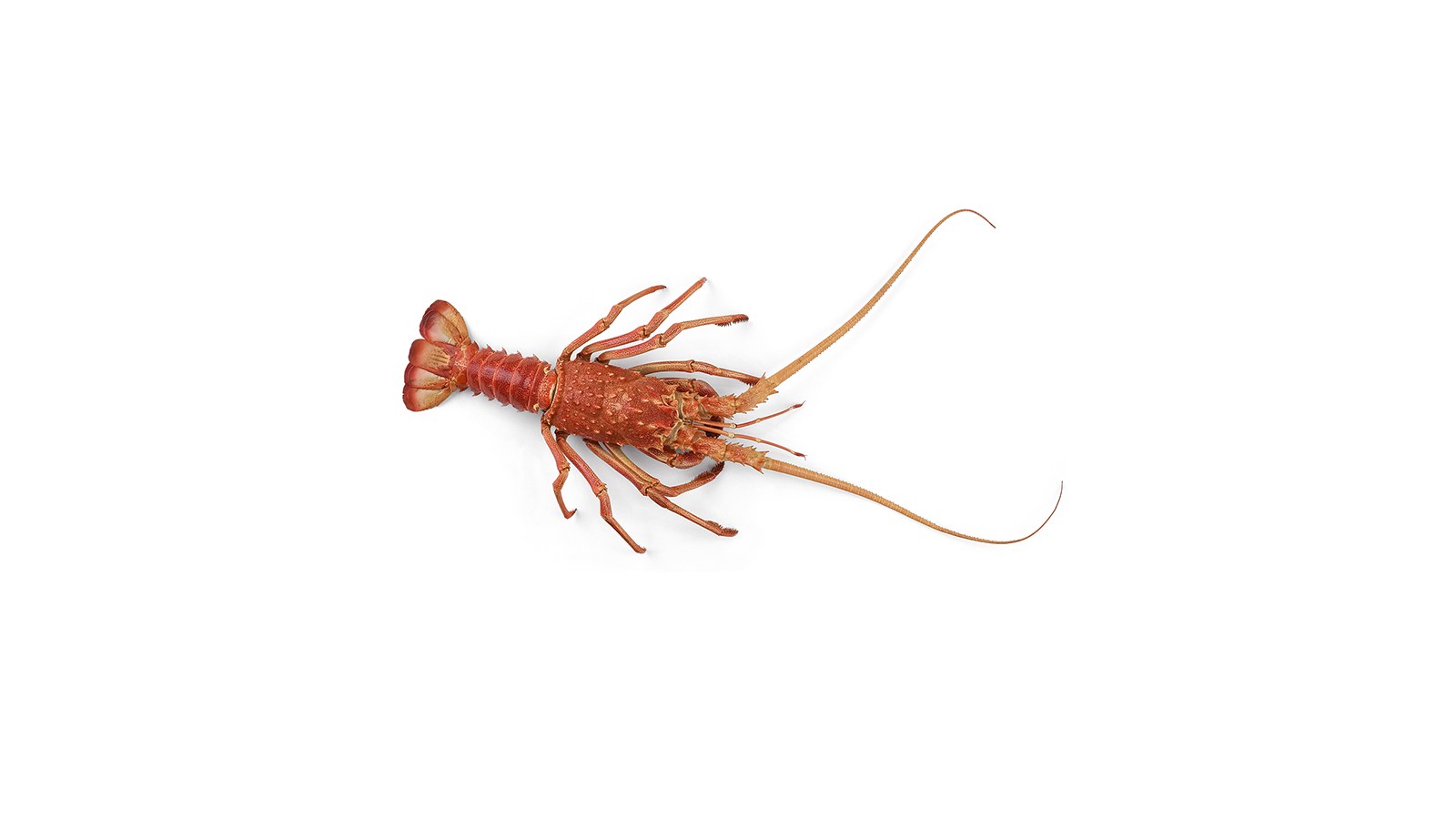
The Beehive release says the proposals respond to requests from the Aotea-Great Barrier Local Board and Ngati Rehua Ngatiwai ki Aotea Iwi Trust Board. They are concerned about the long-term sustainability of local spiny and packhorse rock lobsters and the risk that fishing pressure could shift toward Aotea after closures and restrictions in nearby areas.
The proposed measures are practical and specific. They include establishing six recreational-only areas where commercial harvesting would be banned, reducing the recreational daily limit, introducing a closed season to coincide with autumn and winter breeding seasons, and creating a new maximum legal size aimed at retaining larger breeding stock. The proposal also includes an accumulation limit of one day's catch, intended to stop recreational fishers building up multiple days of catch.
MPI's consultation notice says consultation started on 5 August and closes at 5pm on 4 September 2026. That gives recreational fishers, commercial operators, mana whenua, residents and conservation interests a defined window to examine the proposal and submit views before final decisions are made.
The Aotea case matters because it shows how fisheries management can become localised. National rules may set broad limits, but pressure, depletion concerns and community expectations can vary sharply by place. Great Barrier is close enough to Auckland and the Hauraki Gulf to feel the consequences of nearby closures, but it is also a distinct island community where local knowledge and mana whenua interests carry real weight.
Jones linked the consultation to previous rock lobster protections in the inner Hauraki Gulf and from the east coast of Northland to the Hauraki Gulf. Those measures were designed to rebuild rock lobster populations and help address kina barrens, where kina grazing can prevent healthy kelp forest recovery. The concern now is that fishers displaced from closed areas may concentrate effort in nearby open waters.
That displacement issue is one of the hardest parts of marine management. Closing or restricting one area can protect that place, but it can also push fishing into another community's coastline unless the wider system is watched carefully. The Aotea proposal is therefore not only about one fishery. It is about whether protections create a coherent network rather than a patchwork of pressure.
Commercial fishers will want to examine the proposed recreational-only areas and the evidence behind them. Recreational fishers will focus on daily limits, closed seasons and size rules. Residents and mana whenua may be more interested in whether the measures preserve a local taonga and food source for future generations. Those interests overlap, but they are not identical.
The consultation also raises a public-communication challenge. Fishery rules only work if people know them, understand them and believe enforcement is credible. A new daily limit, seasonal closure or maximum size rule has to be clearly explained at boat ramps, online, through fishing groups and in local channels before it can change behaviour.
The central test is whether the final package protects breeding stock while still allowing reasonable access to a shared fishery. Aotea's proposal puts community concern into the formal decision process. The next month will show how strongly submitters support tighter local controls and whether the evidence persuades the Minister to act.