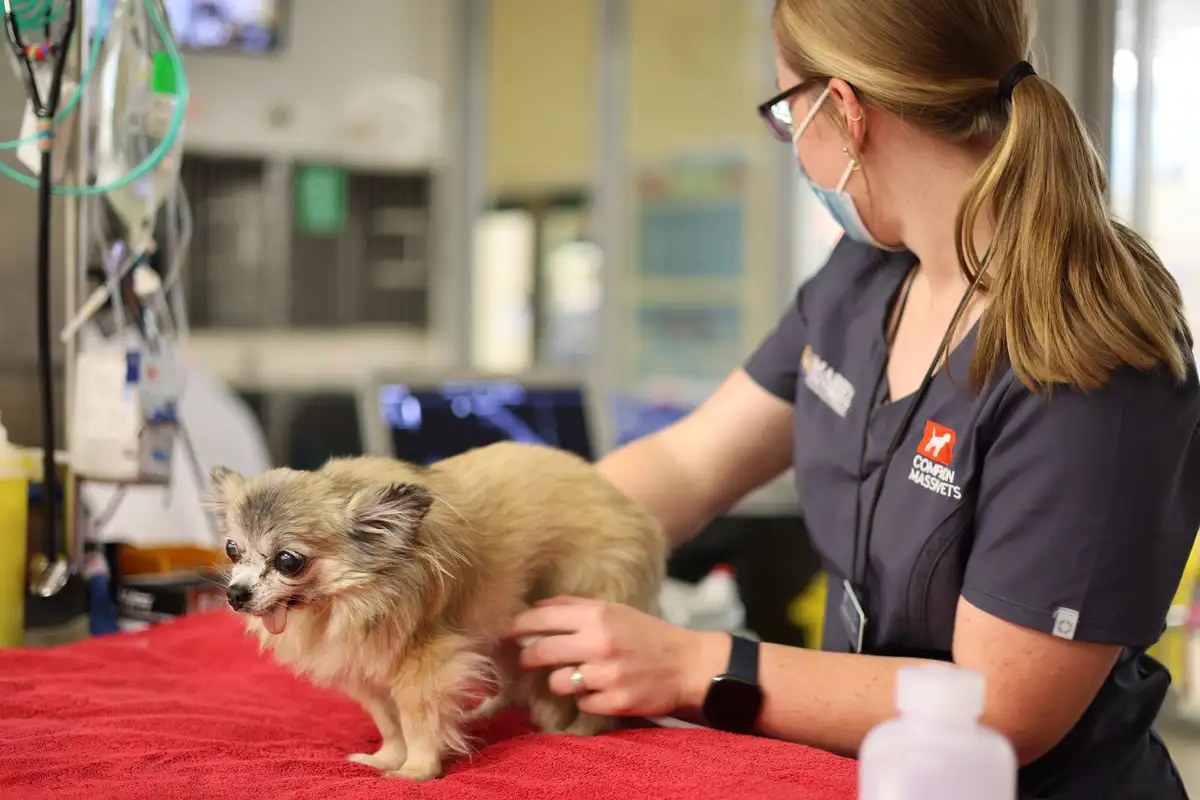
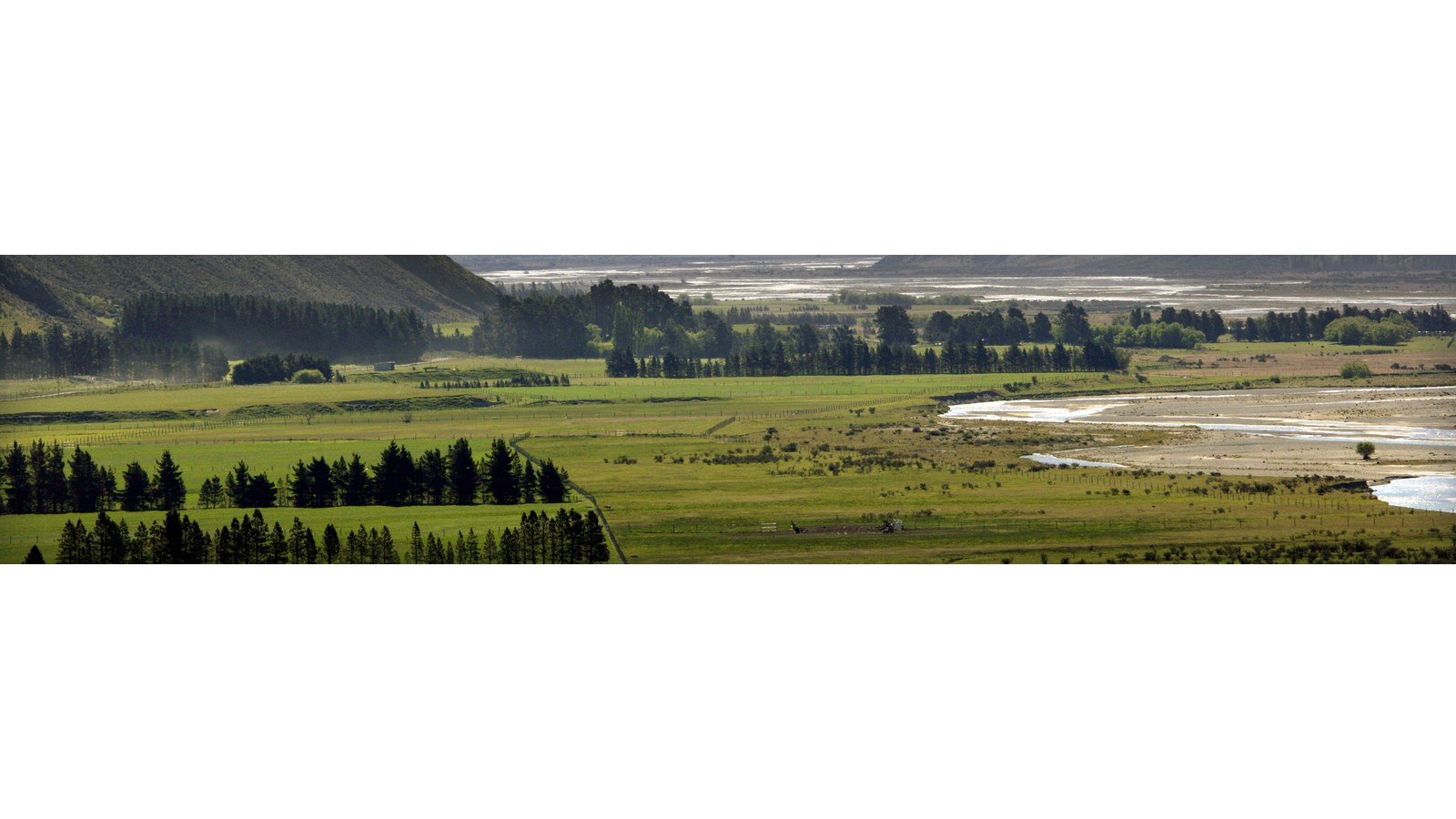
The decision to fund more domestic veterinary science places at Massey University is a workforce story, but it is also an agriculture, biosecurity and regional services story.
Tertiary Education Minister Penny Simmonds announced on Friday that funded domestic places in Massey's Bachelor of Veterinary Science programme will increase from 125 to 140 a year from 2027. Massey is currently the only New Zealand institution training veterinarians through that degree, so a change at one university has national consequences.
The headline number is modest: up to 15 additional domestic learners each year. The policy significance is larger because veterinary shortages do not land evenly. Rural practices, mixed animal clinics, production-animal services, animal welfare work, biosecurity functions and food-safety roles all rely on a pipeline that is difficult to expand quickly.
Veterinary training is not like adding a short course to a catalogue. It requires clinical supervision, specialist facilities, animal access, teaching staff, hospital capacity and accreditation settings. Massey's own School of Veterinary Science describes its work across animal health and welfare, biosecurity, conservation and sustainable productivity. That is the right frame for the policy: the graduate pipeline supports pets and households, but it also supports the systems behind farms, exports and disease readiness.
The trade-off is explicit. The Beehive release says Massey is accredited to enrol up to 175 domestic and international students in the programme each year. With domestic places rising to 140, the university will need to reduce international student intake from 50 to 35. The Government will provide a $6 million grant across five years to offset the temporary loss of international fee revenue while the university shifts its mix.
That is a reminder that workforce policy often comes with a university finance question attached. International students help fund specialist programmes. Domestic workforce needs can pull in a different direction. The grant is designed to soften that transition, but the operational test will be whether Massey can increase domestic access without weakening training quality or overloading clinical teaching.
For rural New Zealand, the announcement will be judged by what happens after graduation. More places do not automatically mean more vets in hard-to-staff regions or more production-animal clinicians. Students choose career paths based on workload, pay, lifestyle, professional support, housing, mentoring and whether rural practice feels sustainable. Training capacity is necessary, but retention and placement will still matter.
The policy also connects to biosecurity. New Zealand's animal-health system depends on veterinarians who can recognise disease risk, advise farmers, support surveillance and work with agencies before a problem becomes an outbreak. A larger domestic pipeline could make that system more resilient if graduates move into the areas of highest need.
There is a timing issue. Students entering from 2027 will not fill clinics next year. Veterinary training takes time, and the benefits will arrive gradually. That makes the decision a long-range investment rather than an immediate fix for practices currently struggling to hire.
Still, the direction is clear. New Zealand is choosing to reserve more of its scarce veterinary training capacity for domestic students. If the extra places are matched with strong rural pathways and sustainable work settings, the change could strengthen the animal-health workforce behind both household care and the primary sector.