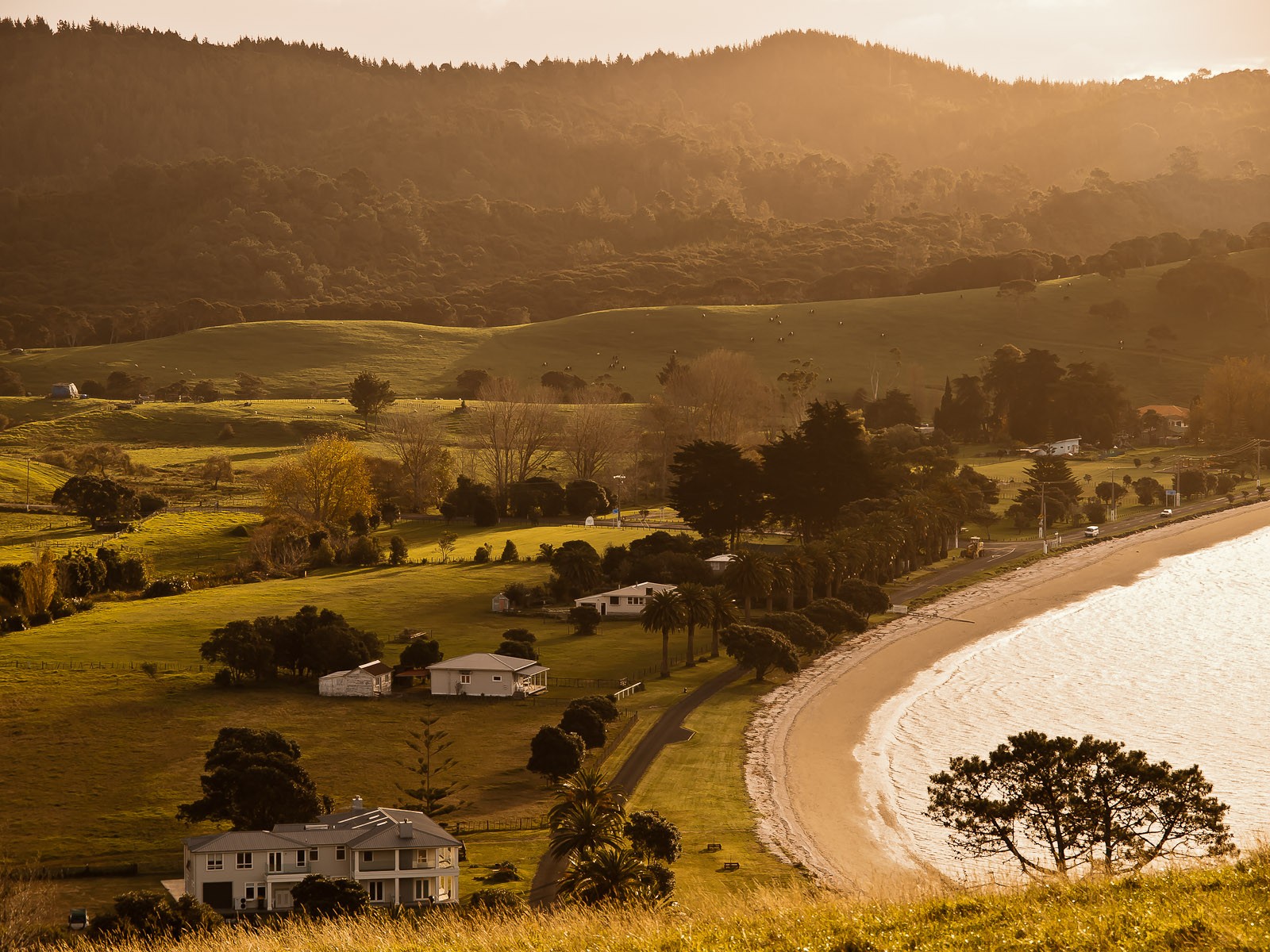
Northland coffee grower Rob Schluter is preparing to turn Ikarus Coffee into a visitor tasting experience, giving New Zealand's small coffee-growing movement a founder-led story at the edge of what is normally considered coffee country. Schluter and Marie-Elodie Proust are preparing a slower coffee tasting experience for visitors at their Pekarau Hills farm this summer.
The story is unusual because New Zealand is not a conventional coffee-growing nation. Most of the world's commercial coffee is grown around the equatorial coffee belt, where climate, altitude and established supply chains favour production. Ikarus is described as one of the farthest coffee farms from that belt, and New Zealand's industry remains nascent, with an estimated 9000 trees in the ground and New Zealand Coffee Producers' Association and government-funded trials being set up around Northland.
Schluter's founder story began with experiment rather than certainty. He planted Arabica var. Laurina in 2014 after obtaining plant material from New Caledonia, where it had been cultivated since the 1800s. He described the success of the planting as a fluke: the plant made it through customs because he declared it, germinated, fruited years later and then showed potential in the Northland conditions. That mix of curiosity, compliance and patience is typical of early-stage agricultural innovation.
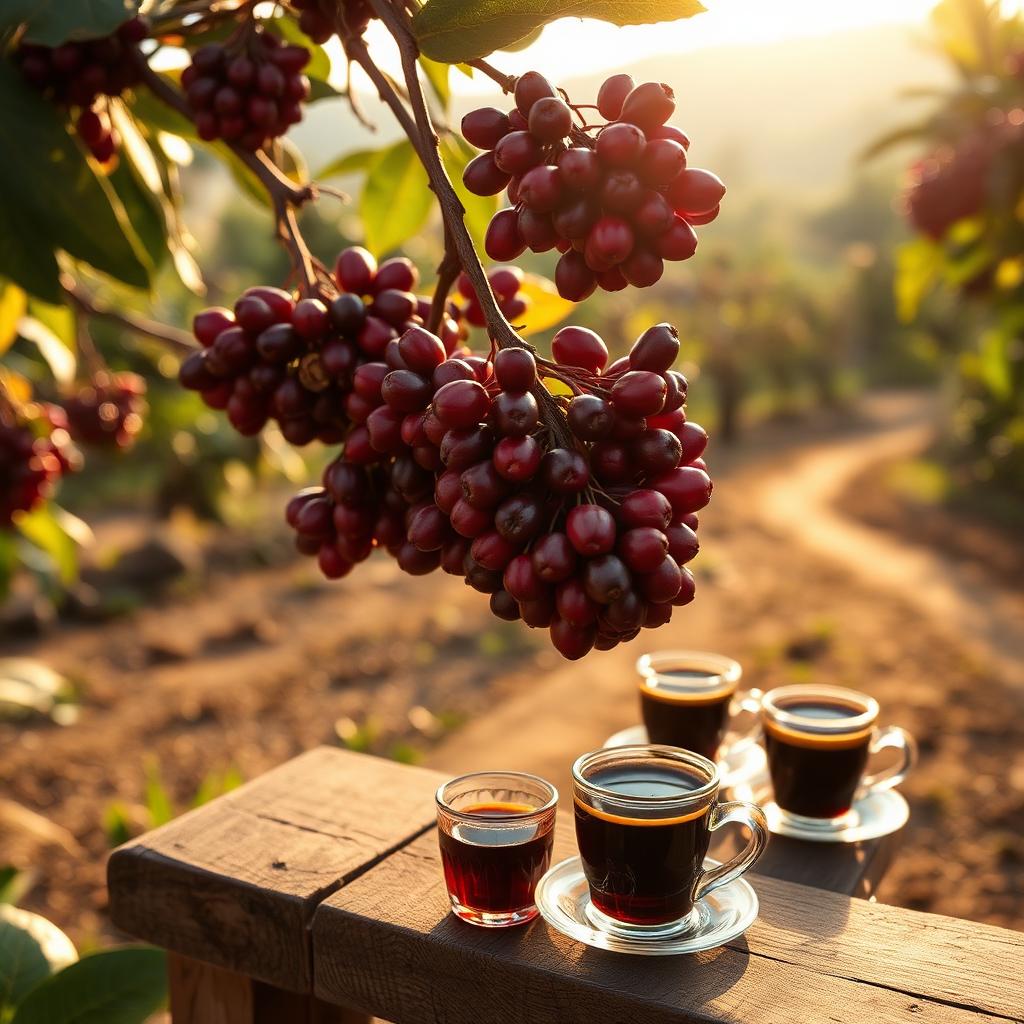
The farm now has about 1200 plants and harvested about two tonnes of fruit in the most recent season. That is tiny compared with global coffee production, but size is not the point. The opportunity sits in provenance, novelty, local tasting, education and specialty coffee culture. Proust, a nutritionist by training, sees the low-caffeine cherries as a point of difference. She and Schluter hope to give visitors a less technical, less slurpy experience than professional cupping while still showing how the beans are grown, fermented, dried, roasted and brewed.
The risks are real. The site is wind exposed and seedlings and trees will be lost as they learn from the environment. New crops require shelter, trial plantings, varietal decisions, processing knowledge and market education. A pioneering farm can inspire others, but it also absorbs early mistakes that later growers may avoid. Ikarus shows a local operator building a market from the ground up, literally and commercially.