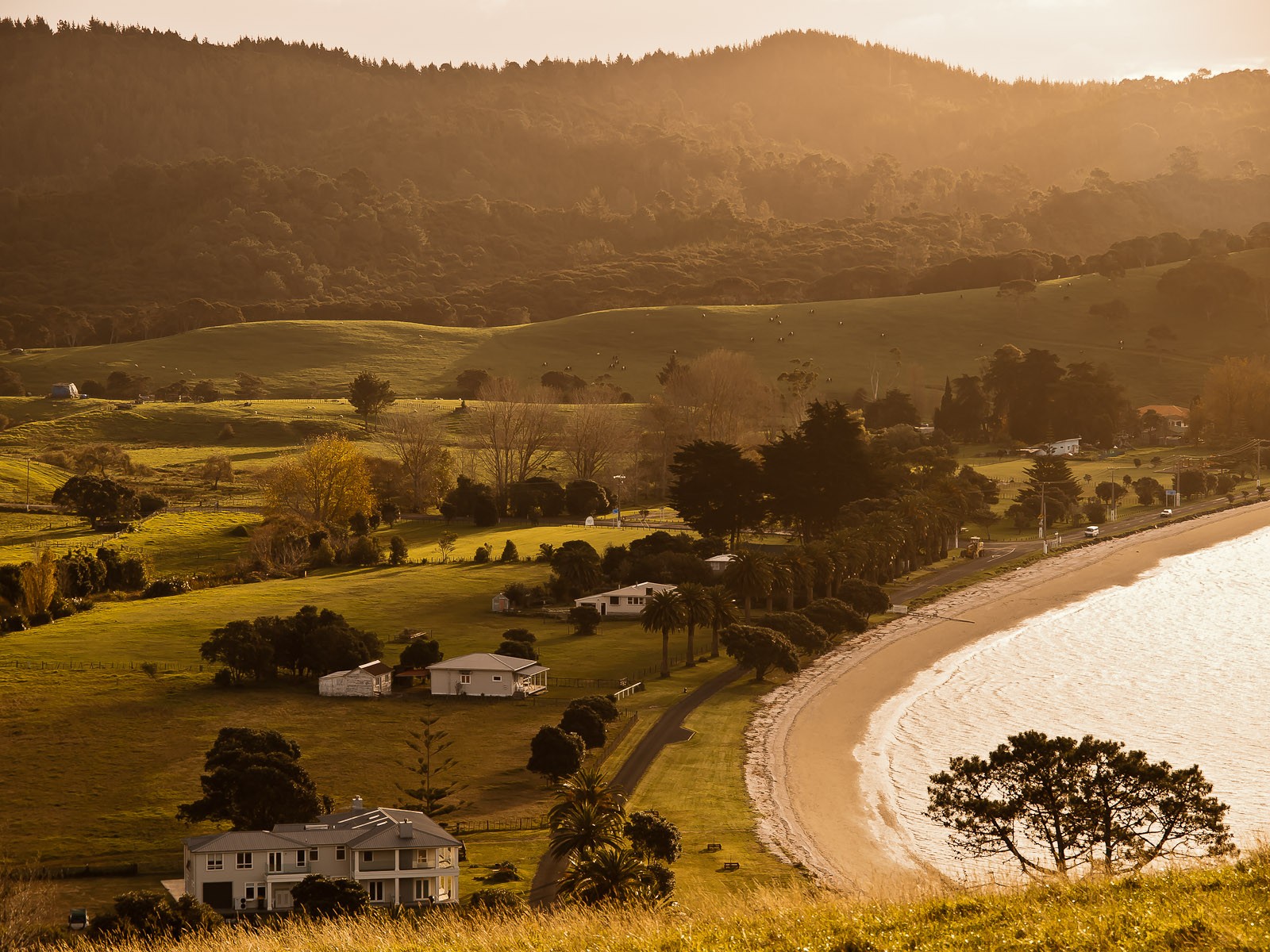
Oceans and Fisheries Minister Shane Jones has extended local shellfish harvesting bans in parts of the Hauraki Gulf for another two years, keeping temporary closures in place at Umupuia Beach, Te Mata and Waipatukahu, and around Waiheke Island. The Beehive announcement says the closures come into effect on 7 August 2026 and are intended to help replenish local shellfish for current and future generations.
The restrictions differ by area. At Umupuia Beach, the closure applies to the taking of cockles. At Te Mata and Waipatukahu, it covers cockles, mussels, oysters and pipi. Around Waiheke Island, it applies to mussels, paua and packhorse rock lobster within one nautical mile of the island, while excluding Te Matuku Marine Reserve. The announcement says the extension was requested by Ngai Tai Ki Tamaki, Ngati Tamatera Treaty Settlement Trust and Ngati Paoa Iwi Trust.
The food-and-drink impact is local but real. Shellfish gathering is part of how many coastal communities connect with place, family and the sea. A closure means people cannot simply treat the beach as an open pantry, even when shellfish are visible. It also asks recreational gatherers, visitors and households to accept a longer-term view: leaving shellfish beds alone now may improve the chance that local stocks recover and remain available in the future.
The policy is also a fisheries-management story. The applicants are part of the Pou Rahui Research Project, which the Government says combines matauranga Maori with modern scientific tools to restore identified marine taonga species. Jones said the work includes training whanau in traditional skills and data collection to support evidence-based decision-making and the long-term sustainability of customary fisheries. In practical terms, that means the closures are not just bans; they sit alongside monitoring, local knowledge and restoration work.
MPI's earlier consultation page shows the same three areas were previously subject to temporary closures from 7 August 2024 to 6 August 2026. The new ministerial announcement extends that approach instead of allowing the controls to lapse. That continuity is important for shellfish beds, because recovery is rarely visible on a political timetable. Cockles, mussels, oysters, pipi, paua and rock lobster all face pressure from harvesting, habitat conditions and wider environmental change in the Gulf.
For the public, the next step is compliance and clarity. Anyone gathering seafood in the Hauraki Gulf will need to check the current maps and species rules before taking shellfish. The risk is not only a fine or enforcement action. Taking from a closed area undermines the purpose of the restriction and the work of local iwi and researchers who have asked for time to rebuild stocks.
The extension will not solve every pressure on the Gulf. Water quality, sediment, invasive species and coastal growth remain part of the wider picture. But it is a targeted decision affecting named places and named species. For people who value local seafood, the message is direct: some beds need more time without harvesting if they are to remain part of coastal life in the years ahead.