Why media exclusion from a by-election matters
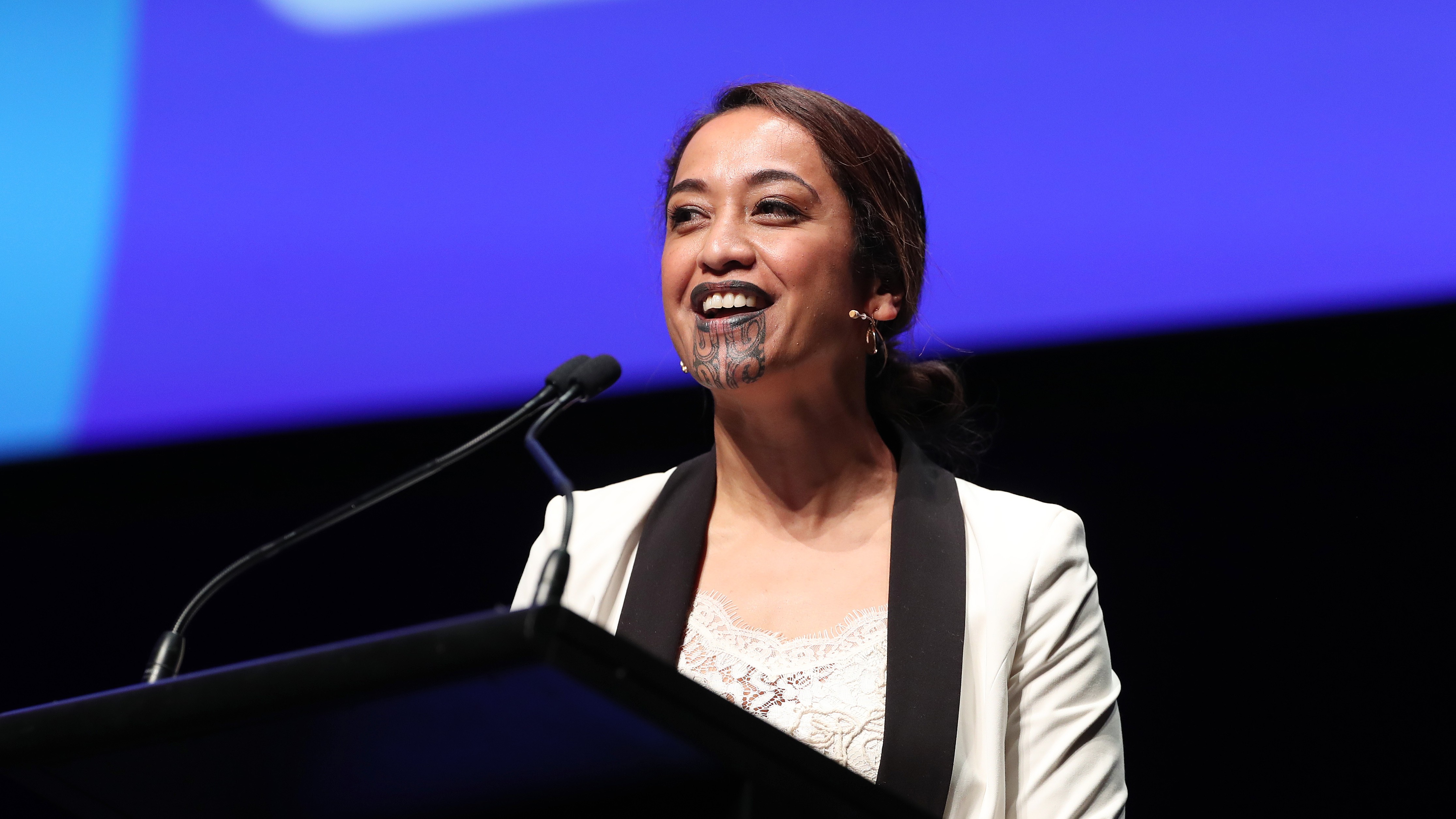
Excluding media from a by-election event is not a procedural footnote. It changes what voters are able to know before they cast a vote.
Te Aniwa Hurihanganui··2 min read
Excluding media from a by-election event is not a procedural footnote. It changes what voters are able to know before they cast a vote.
Why media exclusion from a by-election matters
Excluding media from a by-election event is not a procedural footnote. It changes what voters are able to know before they cast a vote.
The argument for exclusion is usually about protocol or the comfort of participants. The problem is that a candidate forum is not a private gathering; it is one of the few moments where people who will not read a manifesto get to compare candidates directly.
Reporters are not there as guests. They are there because most voters cannot be, and because promises made in a room without a record have a habit of softening later.
There is also a specific cost in Māori electorates, where coverage is already thinner than in general seats. Every closed door widens a gap that is not the fault of the communities living with it.

When candidates can duck journalists and public debate in a by-election, voters are left with slogans instead of scrutiny. It is time to treat media access as a democratic safeguard, not a campaign inconvenience.
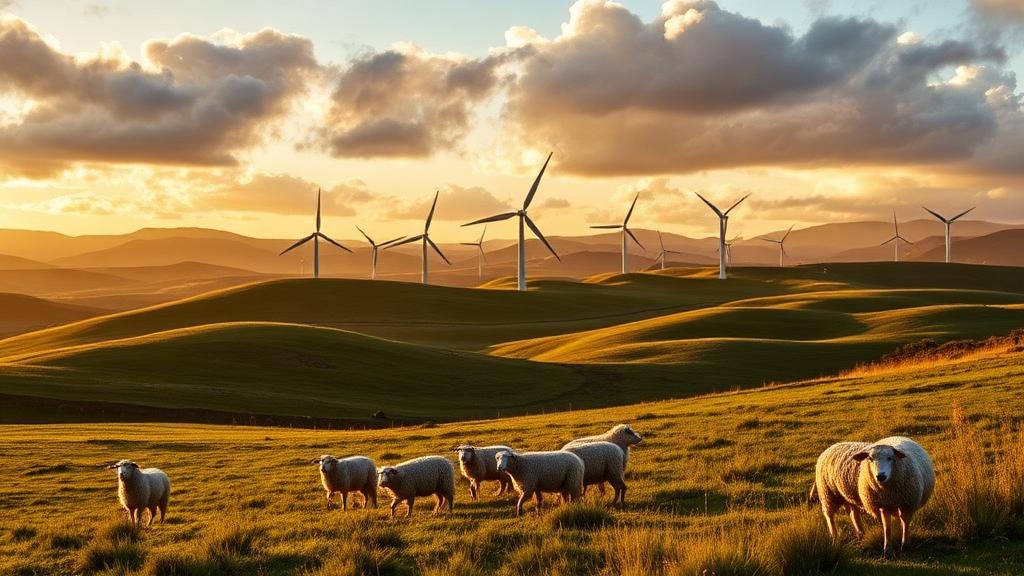
Farming and industry are often told that moving away from fossil fuels will be expensive and disruptive. The better framing is that early movers will build the skills, supply chains and reputation that the next generation of customers and markets will demand.
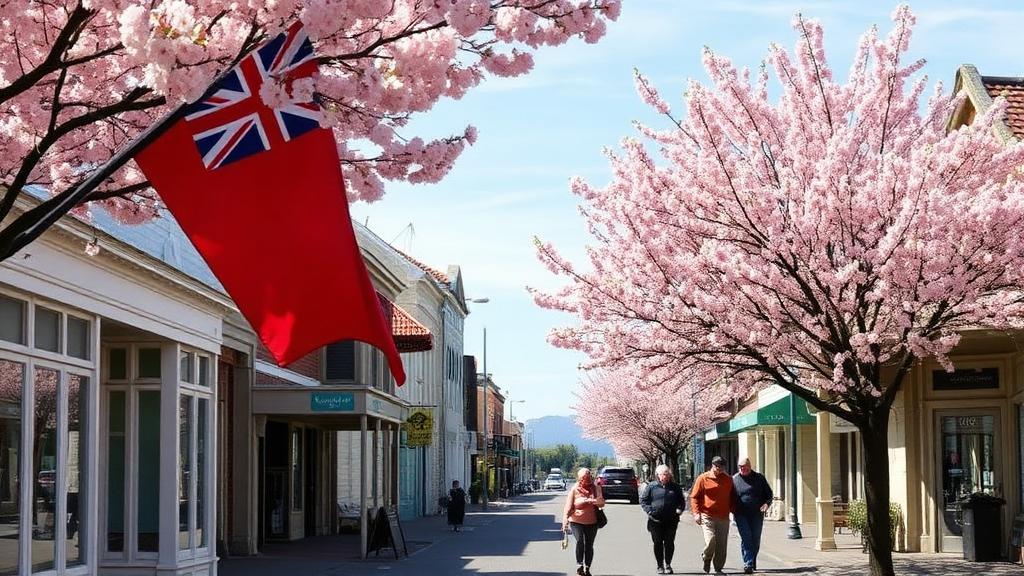
Provincial New Zealand is tired of being noticed only when votes are at stake. Lasting policy requires politicians to listen to small towns, rural communities and regional cities between elections as well as during them.