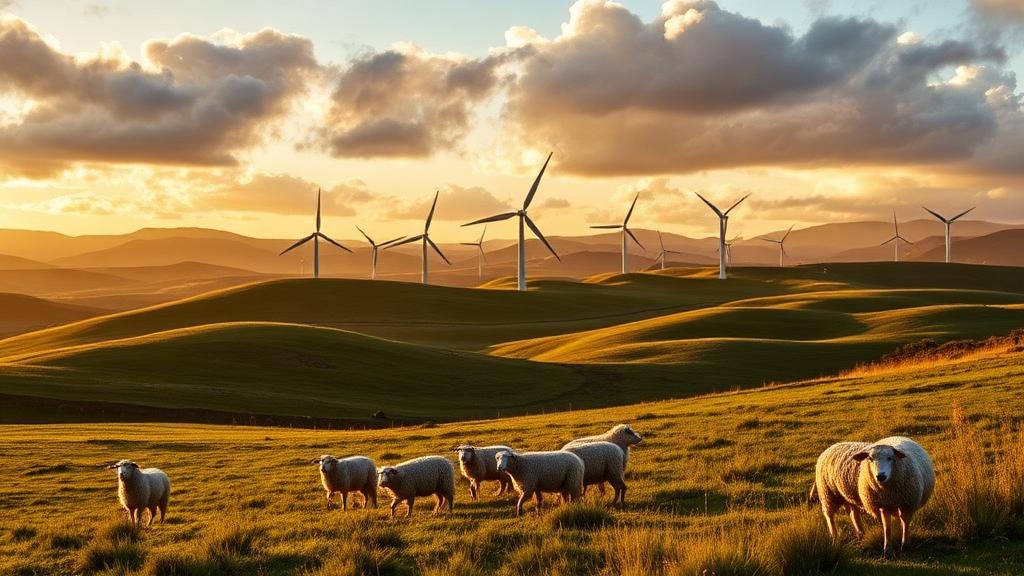
Farming and industry are often told that moving away from fossil fuels will be expensive and disruptive. The better framing is that early movers will build the skills, supply chains and reputation that the next generation of customers and markets will demand.
New Zealand's economy is unusually exposed to the energy transition. Agriculture, transport, manufacturing and tourism all depend on reliable, affordable energy, yet much of that energy still comes from sources that the world is trying to phase down. The Government's loan guarantee scheme for gas transition projects is one response, but policy is only part of the story. The bigger shift is in how businesses think about energy as a source of advantage rather than a fixed cost.
Companies that electrify process heat, invest in efficiency, or switch to lower-emission fuels are not simply buying compliance. They are reducing exposure to volatile fossil fuel prices, future-proofing export access, and making themselves more attractive to customers and investors who now routinely ask about emissions. That is especially true in food and fibre, where New Zealand's brand depends partly on a clean, green image.
The opportunity is not evenly distributed. Smaller firms lack the capital and technical advice that large corporates can access. Regional businesses may not have the grid capacity or local expertise to make the switch quickly. That is where public investment and industry collaboration matter. If the transition becomes something only big players can afford, it will widen regional inequality and feed political backlash.
Done well, the energy transition can strengthen New Zealand's regions, create new jobs, and reinforce the country's reputation as a producer of high-quality, low-emission goods. Done poorly, it will feel like a cost imposed from Wellington. The difference lies in whether businesses are supported to move early and whether the public can see the benefits in their own communities.