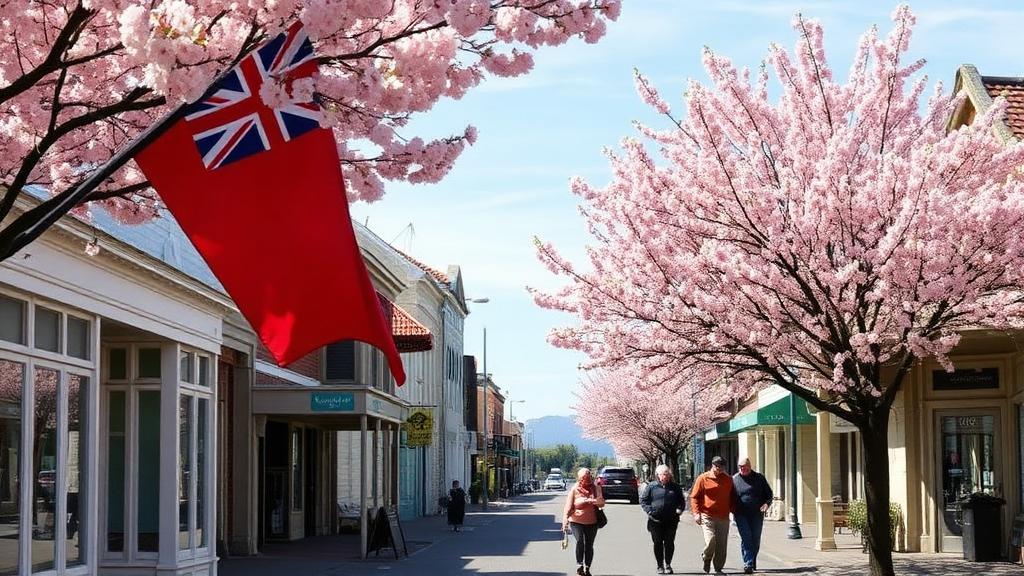
Provincial New Zealand is tired of being noticed only when votes are at stake. Lasting policy requires politicians to listen to small towns, rural communities and regional cities between elections as well as during them.
Every election cycle, party leaders discover the regions. They tour factories, visit marae, shake hands at main street cafes, and promise better roads, broadband, health services and economic development. Then Parliament returns, the press gallery moves on, and regional New Zealand is once again reduced to a set of statistics about employment, house prices and transport corridors.
This is more than a complaint about attention. It produces bad policy. Decisions about water, forestry, mining, farming, tourism, housing and health are often made with limited input from the people who live with the consequences. Consultation processes can be tick-box exercises, and regional expertise is treated as a lobbying position rather than local knowledge.
The result is a cycle of distrust. When Wellington announces a policy that sounds sensible in a Beehive briefing but unworkable on the ground, regional communities feel ignored. That distrust then feeds into broader political polarisation, with provincial voters concluding that the capital does not understand their lives.
Breaking the cycle requires structural change. Regional ministers and local government need real authority, not just titles. Select committees should travel more. Policy trials should be evaluated by the communities affected. And journalists should keep reporting from the regions after the campaign buses have left. New Zealand's democracy will be healthier when provincial voices are treated as permanent stakeholders, not seasonal constituencies.