Ngai Tahu Farming has been chosen as the preferred farming operator for Molesworth Station, moving the future of New Zealand's largest farm from a competitive selection process into lease negotiations with the Department of Conservation.
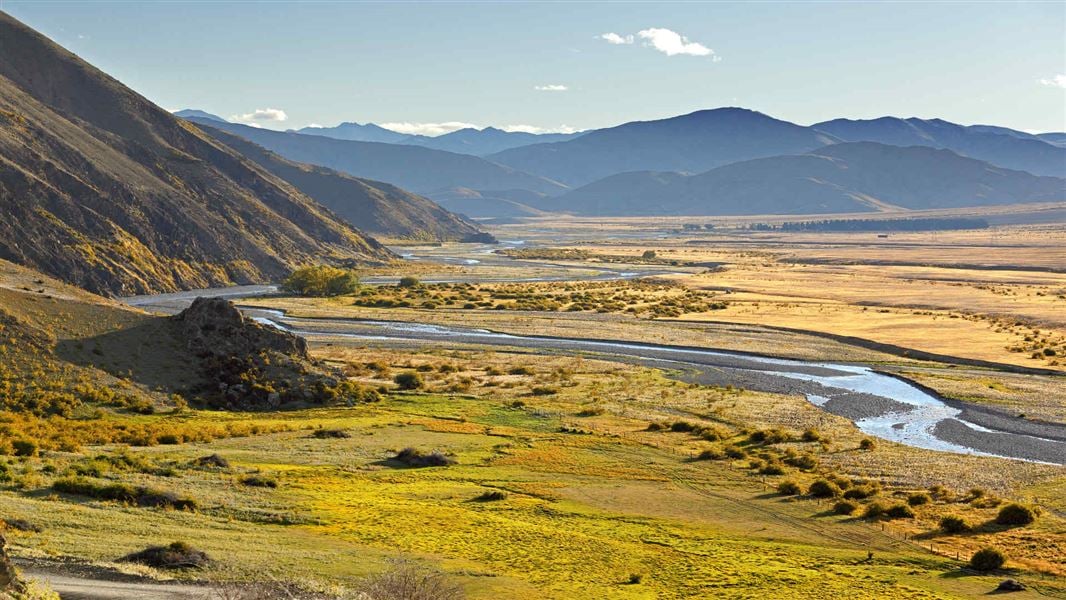
DOC announced on 31 July that Ngai Tahu Farming had been selected as the preferred operator for the iconic Molesworth Recreation Reserve. The decision does not mean the lease is already final, but it identifies the party DOC wants to negotiate with for the next farming concession. 1News reported the Crown-owned station covers about 180,000 hectares across inland Marlborough and has been operated by Pamu, formerly Landcorp, for more than two decades.
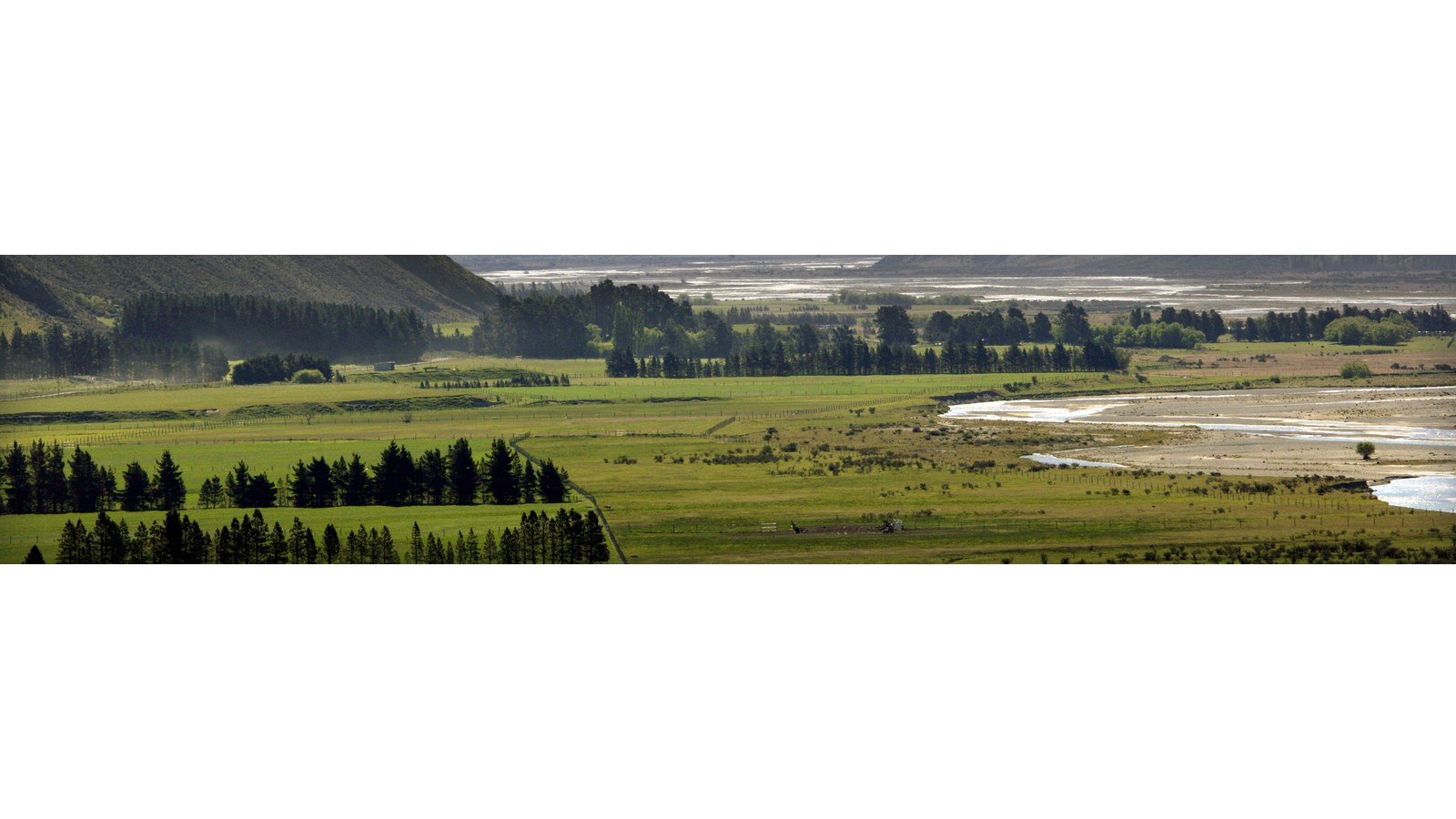
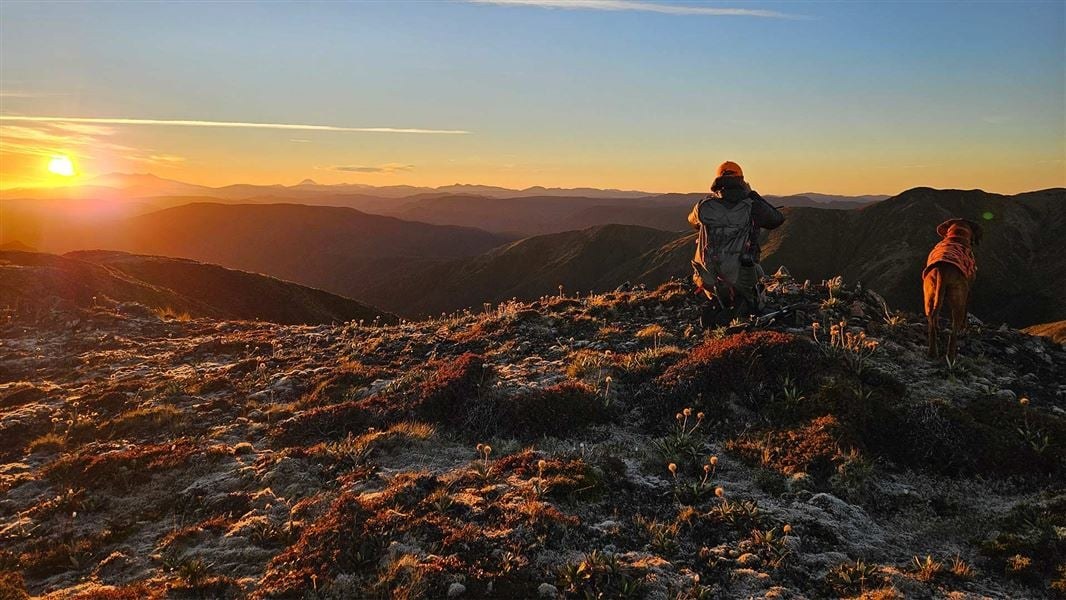
The decision matters because Molesworth is not a standard rural property. It is a working high-country farm, a public recreation reserve, a drylands ecosystem, a place with heritage and cultural value, and a landscape that many New Zealanders know through travel, tramping, cycling, hunting and environmental debates. Any new operator has to farm while also working inside a conservation and public-access context.
DOC Deputy Director-General Regional Operations Henry Weston said farming would remain the core commercial activity at Molesworth, while recognising the reserve's nationally important biodiversity, heritage, recreational and cultural values. That balance is the heart of the story. New Zealand's agricultural future is increasingly judged not only by production, but by how land managers protect water, soil, biodiversity, climate resilience and public confidence.
Ngai Tahu Farming brings a different ownership and operating profile to the next stage. It is connected to a major iwi commercial group with existing rural, property and investment experience. Its selection will be watched by farmers, conservation groups, local communities, iwi, recreation users and those who see Molesworth as a test case for how public land can be farmed in the future.
There is also a practical transition question. Pamu's long operation of the station means staff knowledge, stock management, infrastructure, pest control, fire risk, road access and seasonal routines cannot simply be swapped overnight. If negotiations lead to a new lease, the handover will need to protect animal welfare, staff clarity, grazing management and relationships with local users.
The earlier tender process showed why the appointment attracted attention. DOC said in March that applications had closed for the chance to run commercial farming at Rangitahi/Molesworth, with five applications received. That level of interest reflects the station's scale and symbolic value. It also means unsuccessful bidders and rural observers will want confidence that the decision was based on capability, conservation fit and long-term land stewardship.
For agriculture, the bigger point is that Molesworth places farming in a public-interest frame. High-country stations face sharper expectations around biodiversity, erosion, climate, tourism and cultural values than they once did. The successful operator will have to show that production can sit beside restoration, access and respect for place.
That makes today's announcement more than a lease update. It is a marker in New Zealand's rural transition, where the best operators will be those who can explain not only how many stock units a property can carry, but how a landscape will be handed on. Ngai Tahu Farming now has the opportunity to negotiate for one of the country's most scrutinised farming roles.
The next milestone will be the lease terms. Until those are settled, the selection remains a preferred-operator decision rather than a completed transfer. Still, the direction is clear: Molesworth's next chapter is being shaped around farming that must answer to conservation, culture, recreation and public trust at the same time.