Local government, briefly explained
Councils make a lot of the decisions that shape daily life. A short refresher on who does what.
Kiwi News Desk··5 min read
Councils make a lot of the decisions that shape daily life. A short refresher on who does what.

Civic building with a clock tower
Local government does much of the work that people associate with 'the government' in their daily lives: water, roads, rubbish, parks, libraries, building consents, district planning. It is funded mainly by rates and by central government contributions, and it is governed by elected councillors who set direction and oversee a chief executive.
Regional councils sit alongside district and city councils with their own responsibilities, particularly around the environment, public transport and resource management. The line between the two can be blurry from the outside, which is part of why coverage matters.
Long-term plans, annual plans and district plans are the documents where the most consequential decisions are made. They are also where public input has the most leverage, well before any project shows up at a ribbon-cutting.
Our coverage tries to demystify these processes, so readers can engage at the stage when their input is most useful.
Justice and Public Service Minister Paul Goldsmith has directed the Public Service Commission to carry out a rapid review of the Ministry of Justice after saying a former employee case was mishandled over five years.

The Crimes Act Amendment Bill is scheduled to begin its final reading this week, with expanded citizens arrest powers, new retail crime tools and tougher provisions for violence against first responders in the package.
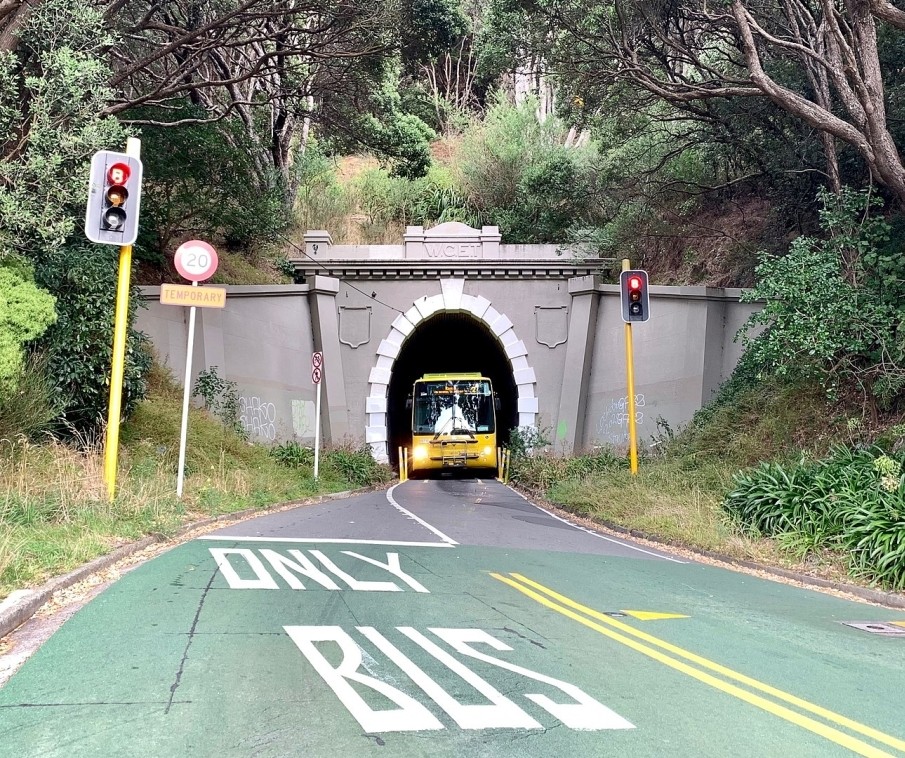
RMA Reform Minister Chris Bishop has opened consultation on Wellington heritage planning provisions after an investigation into five sites found some rules may be holding back growth, development capacity or employment.