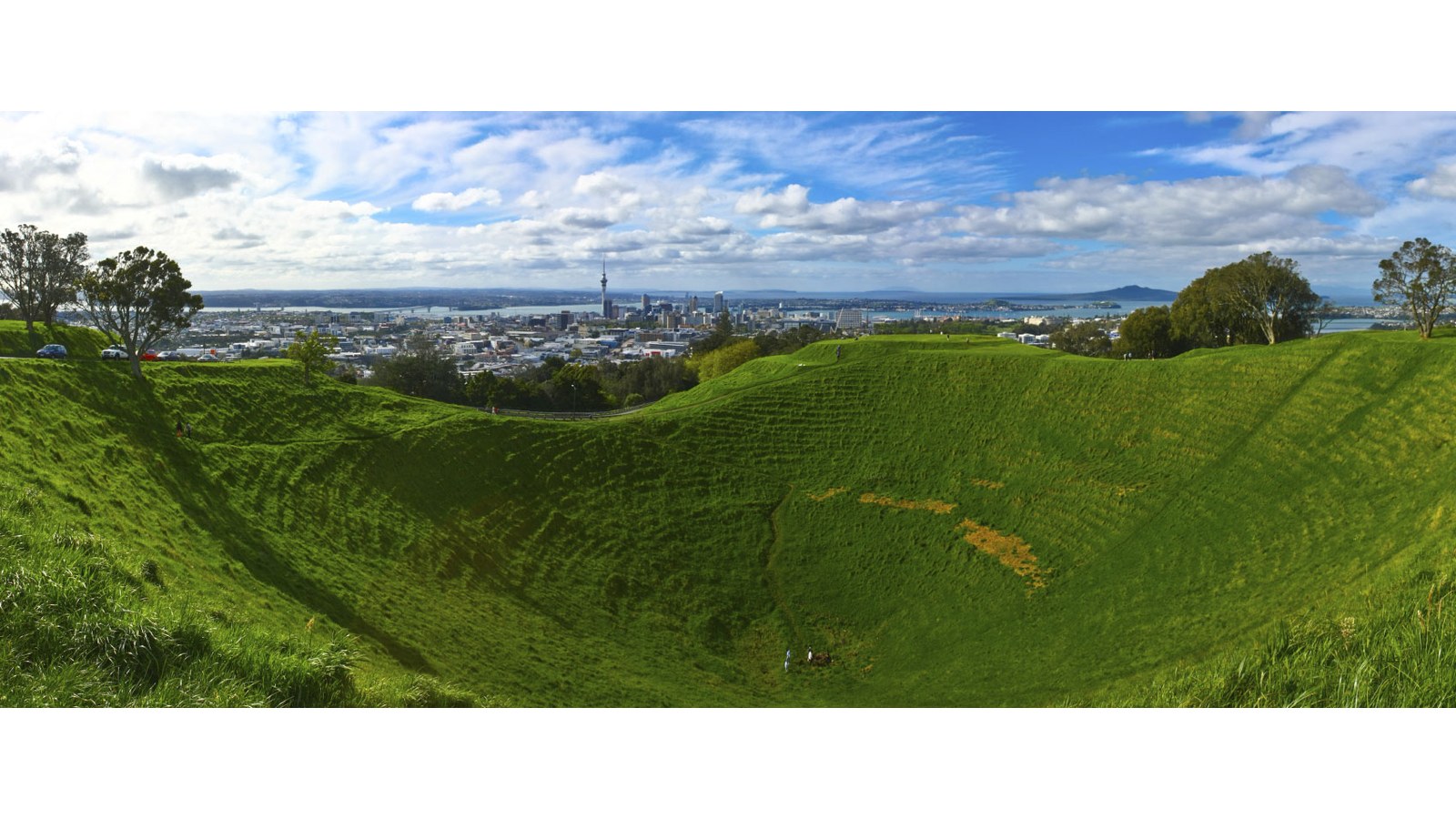
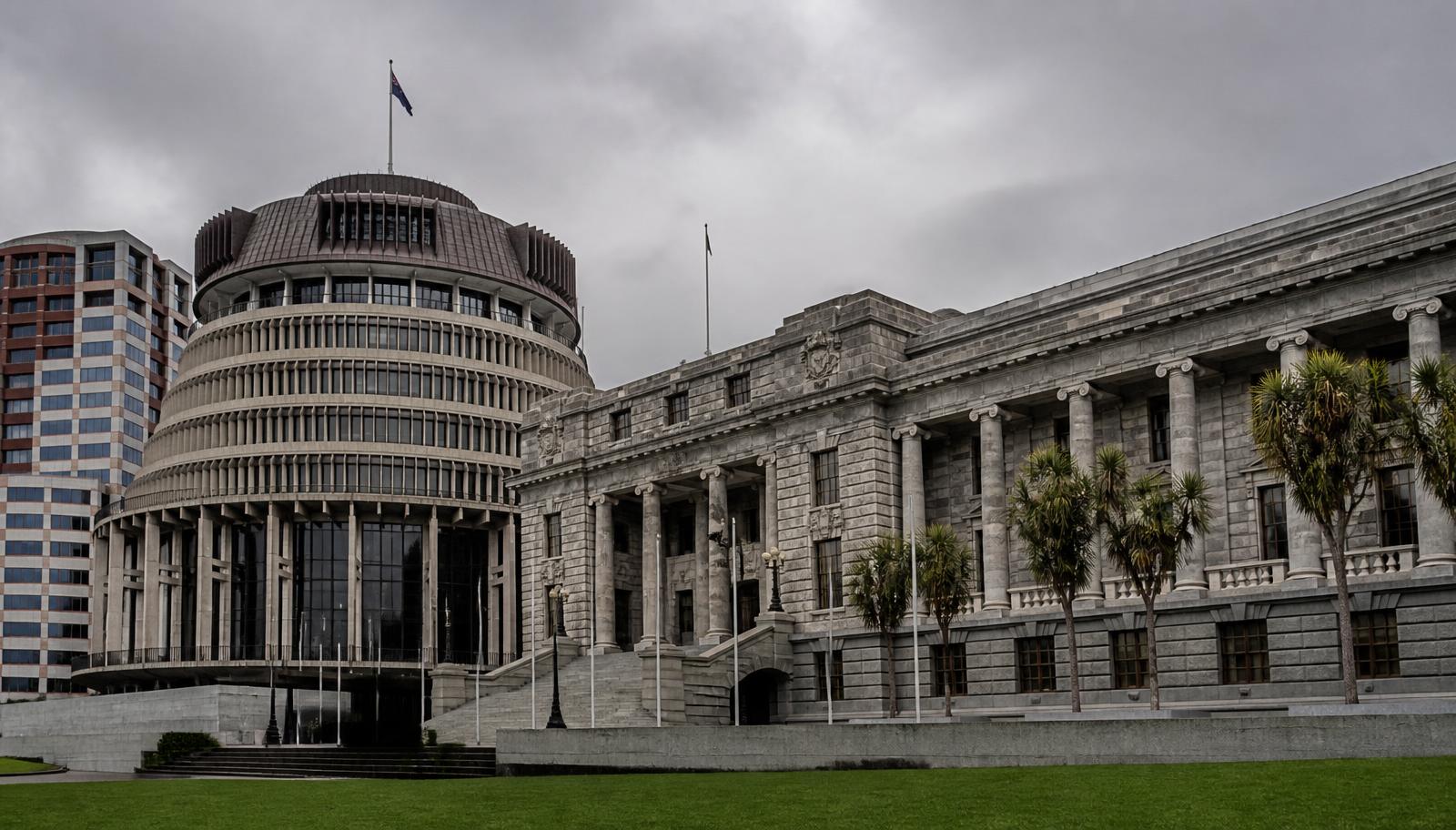
RMA Reform Minister Chris Bishop has opened consultation on Wellington heritage planning provisions after an investigation into five sites found some rules may be holding back economic growth, development capacity or employment. The 3 August announcement follows a request from Wellington City Council for the Minister to consider using regulation-making powers under the Resource Management Act to remove or modify district-plan provisions.
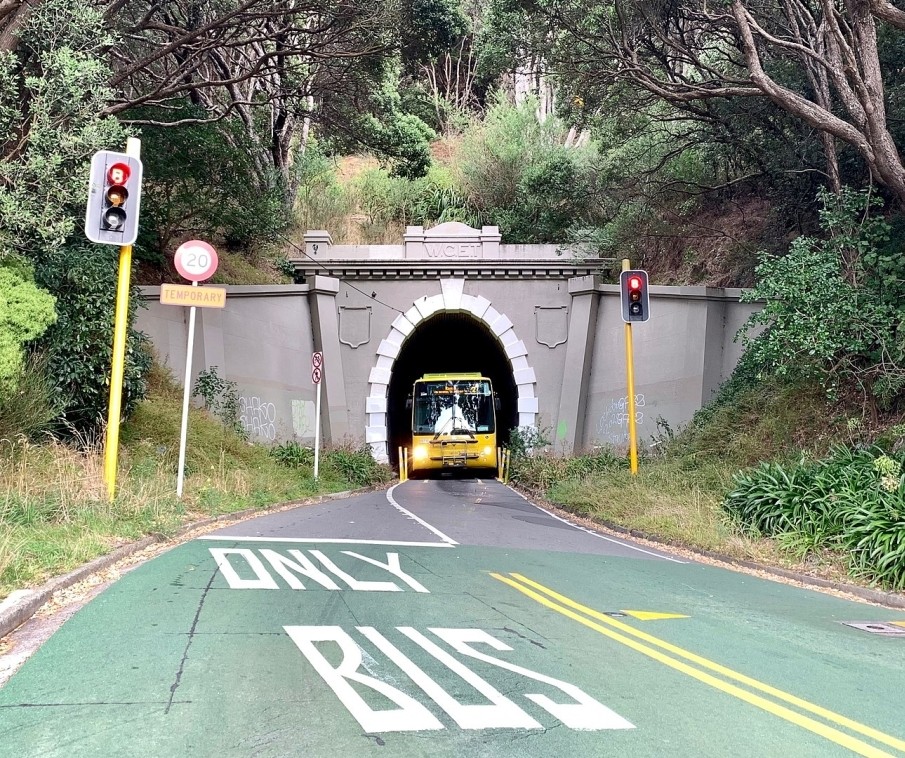
The sites named in the investigation are the Karori Tunnel, Kelburn Viaduct, the former General Headquarters Building at the corner of Taranaki Street and Buckle Street, the Miramar oil tank, and height restrictions in the Courtenay Place Heritage Area. They are not all the same kind of asset. Some are transport structures still visible in daily city life, one is a former military administration building, one is an industrial storage remnant, and one is a central-city heritage area where height rules can affect redevelopment.
Bishop said the investigation estimates that changing or removing the relevant controls could enable about 770 additional apartments, generate around $280 million in construction activity, and support about 300 jobs through commercial redevelopment, including film studio facilities. Those figures make the consultation more than a technical heritage exercise. They place the question inside Wellington's wider debate about housing supply, city-centre investment, heritage character and whether rules written for preservation can be adjusted without losing what makes the sites historically significant.
The statutory process is still at an early stage. Wellington City Council has received the investigation report, affected parties are being invited to provide feedback, and public consultation is scheduled to open on 5 August for 10 days. Bishop will then consider feedback alongside the council's response before deciding whether to recommend regulations under section 360I of the Resource Management Act.
The list of invited stakeholders is broad. It includes relevant requiring authorities, Heritage New Zealand Pouhere Taonga, the New Zealand Defence Force where relevant, Wellington Regional Council, territorial authorities in the Greater Wellington region, owners or occupiers of the affected heritage sites identified through council rates data, and iwi and hapu groups. That range reflects how heritage decisions rarely sit with one interest group alone. They can affect property owners, neighbours, transport users, cultural interests, city planners and future residents.
The Karori Tunnel example shows the trade-off. Heritage New Zealand's listing describes a historic transport structure connected with Wellington's road and public-transport development. Preserving that history has public value. At the same time, active transport and land-use corridors can constrain what a city can do around housing and infrastructure. The question for consultation is not simply whether heritage matters; it is whether the current district-plan controls are the right tool and the right scale for each place.
For Wellington, the outcome could shape more than five sites. If the Government proceeds, it will signal how willing ministers are to intervene where local heritage rules are judged to conflict with development capacity. If the rules remain largely unchanged, it will show that the evidence threshold for intervention is high. Either way, the consultation gives residents and affected parties a short but important window to argue what should be protected, what should change, and how Wellington balances memory with growth.