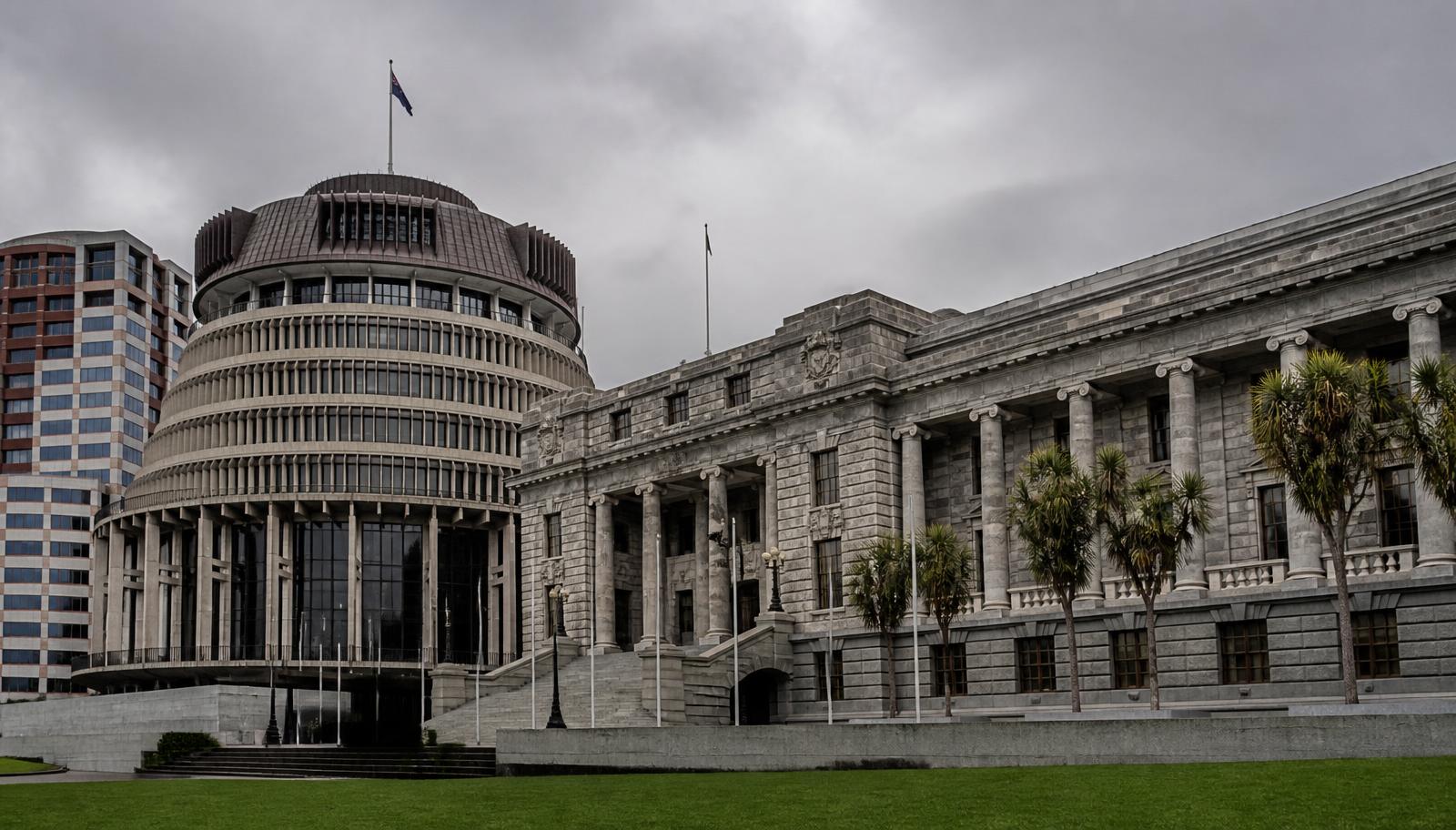
Justice Minister Paul Goldsmith says the Government's Crimes Act Amendment Bill is scheduled to begin its final reading this week, with expanded citizens arrest powers, new retail crime tools and tougher provisions for violence against first responders included in the package.
The announcement, dated 4 August, says the bill is intended to take effect within a week of passing into law. Goldsmith described retail crime as carrying an economic cost in the billions and said retailers and security guards should not have to face abuse and assault as part of ordinary work. The bill is presented as part of the Government's wider law-and-order programme, strengthening penalties and closing loopholes across several areas.
The most immediately visible change for businesses is the expansion of citizens arrest powers. The Crimes Act would be amended so that citizens can intervene to stop any Crimes Act offence at any time of the day. Goldsmith's office said some offences, including theft under $1000, currently apply only between 9pm and 6am for citizens arrest purposes. The proposed change would remove that time distinction.
The bill also requires a person making an arrest to contact Police and follow Police instructions. It clarifies that restraints can be used when reasonable, and changes defence-of-property provisions so it is clear reasonable force may be used. Those qualifiers matter. A wider power without clear limits could create serious risk for staff, customers and alleged offenders. The bill is therefore likely to be judged not only by whether it deters shoplifting, but by how clearly businesses understand what is reasonable and when Police must take over.
Retailers have been calling for stronger tools for some time, particularly in areas where repeat shoplifting, aggression and organised theft have made staff feel exposed. A shop owner or security guard may see the same offender repeatedly, know the pattern, and still feel there is little practical ability to intervene before the person leaves. Goldsmith's argument is that the law should better reflect that frontline reality.
The risk is escalation. Store workers are not Police officers, and many retail incidents involve stress, drugs, mental health, youth offending or group behaviour. A poorly handled confrontation can turn a low-value theft into an assault or injury. Businesses will need training, clear internal policies and a strong preference for Police direction if the bill passes. The legal permission to act does not remove the practical question of whether action is safe.
The bill goes wider than retail. It includes new specific offences for assaulting first responders or front-line corrections workers, three new coward-punch offences, a new shoplifting infringement regime and changes to trafficking and people-smuggling laws. Goldsmith said people who run toward danger to help others deserve stronger protection, and that coward punches can kill or cause lifelong brain injuries.
Politically, the announcement gives the Government a visible law-and-order deliverable before the election period. It also gives opposition parties, lawyers, retailers, unions and civil liberties groups a concrete point to test: whether the new powers are proportionate, understandable and safe in real-world stores. The most important implementation detail will be guidance. If Parliament passes the bill, businesses will need plain instructions on when to observe, when to call Police, when not to intervene, and what reasonable restraint actually means.
For shoppers and staff, the practical effect may be a stronger response to repeat theft and aggressive behaviour in shops. For Police, it could mean more calls from retailers after an intervention begins. For the Government, the test will be whether the law reduces harm without encouraging risky confrontations by people who have not been trained for them.