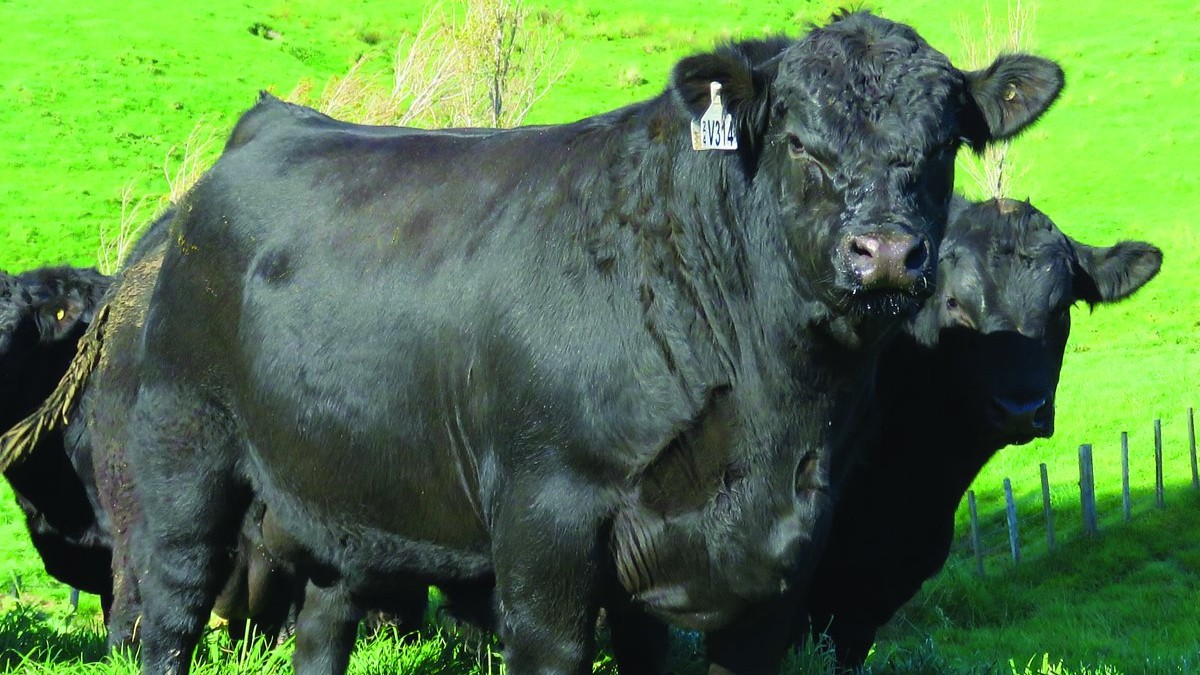
A Kaharau Angus bull has sold for $220,000 in Gisborne, setting what industry figures say is a new Australasian record and marking the second time in a week that the benchmark for Angus cattle has been broken. The bull was auctioned during Gisborne-East Coast Bull Week and was bought by a syndicate of New Zealand breeders alongside an Australian stud. The result surpassed the $168,000 record set only days earlier by Taimate Angus, underlining a sharp lift in demand for elite genetics.
For people outside farming, the headline price can sound like a novelty. Inside the beef sector, it reflects a calculation about genetics, herd performance and long-term value. Stud bulls are not bought for one season of attention. Their value sits in the traits they can pass into commercial herds: fertility, growth, structural soundness, longevity and animal type suited to the conditions where their offspring will be raised. If a buyer believes a bull can improve a breeding programme across multiple seasons, the upfront price is judged against the value of many future calves.
Angus NZ general manager Jane Allan said the record-breaking results showed farmers continuing to invest in genetics that deliver a balance of traits. That point matters in a year when many rural businesses are still dealing with input costs, weather variability, compliance pressure and uncertainty in export markets. A top auction price does not mean every farmer is flush with cash. It means some breeders and commercial operators are still prepared to put money into genetic improvement where they see a clear production payoff.
The cross-Tasman element is also important. The buyer group included New Zealand breeders and an Australian stud, which points to the regional reputation of New Zealand Angus genetics. Beef genetics move through markets, catalogues, semen sales and relationships between studs. A record price at a Gisborne auction can therefore become a signal to buyers beyond the district that particular bloodlines are worth watching. It also gives local breeders a marketing moment, though the pressure then shifts to whether the animal's progeny justify the confidence.
There is a risk in treating the record as a whole-sector temperature check. Most bull sales still sit far below six figures, and high-profile results can obscure the quieter economics of commercial farming. The majority of farmers are not buying record-priced animals. They are weighing breeding values, resilience, animal health, feed conditions and budget. The useful part of the record is not the spectacle of one cheque, but the reminder that productivity gains in agriculture often begin years before product reaches a processor or export customer.
The sale gives Gisborne-East Coast Bull Week a national talking point and gives Angus breeders evidence of continued confidence in their genetics. It also raises the bar for what elite cattle can command when buyers believe the animal is rare enough, proven enough and commercially relevant enough. For the agriculture sector, the story is a reminder that investment is still happening in the breeding base of New Zealand farming, even while the wider rural economy remains uneven.