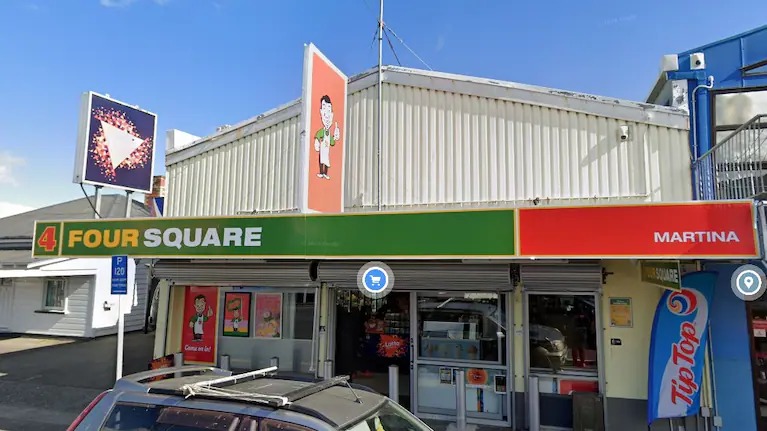
Thames Four Square owner Jaswinder Singh and his company have been fined a combined $44,000 after two migrant workers paid $120,000 to secure jobs in New Zealand, in a case that puts small-business compliance and migrant-worker vulnerability under fresh scrutiny.
1News reported on Monday that A Dharni Enterprises Ltd, trading as Four Square Martina, was ordered by Employment Relations Authority member Helen van Druten to pay a $32,000 penalty. Singh was ordered to pay a further $12,000. The two workers had family ties to Singh, entered New Zealand on Accredited Employer Work Visas in July and August 2023 and each paid $60,000 in India across seven instalments.
Van Druten found the company effectively used the premiums to pay the employees' own wages. 1News reported her finding that the arrangement gave the company a financial advantage by freeing up money that would otherwise have been used for wages. Scoop Business and Inside Retail also reported the penalties, confirming the case was not only a local Thames matter but part of a wider employment and retail compliance conversation.
This is the run's business-owner story, but it is not a celebratory one. Owner-operated local stores are often treated as community anchors, especially in towns where supermarkets, dairies and Four Square outlets provide daily contact as well as groceries. That community role carries trust. When migrant workers are required to pay premiums for jobs, that trust is damaged and the harm extends beyond the individual employment relationship.
The accredited employer system is built on a simple promise: employers who sponsor migrant workers must meet lawful employment standards. Workers arriving from overseas may have less knowledge of New Zealand law, fewer local support networks and more to lose if a job falls apart. That imbalance is why premium payments for employment are treated seriously. A worker who has borrowed or paid large sums to secure a role is less able to walk away from poor conditions.
For other small-business owners, the lesson is practical. Family connections do not remove employment obligations. A franchise banner does not shield an owner from legal duties. Payments made overseas can still be part of a New Zealand employment breach if they are connected to the job. Good operators should keep recruitment costs transparent, document all wage and visa arrangements and make sure managers understand that workers cannot be charged for the right to work.
There is also a reputational issue for retail groups. Four Square stores are locally owned and operated, but customers often see the brand first. Repeated stories about worker exploitation can make shoppers question whether franchised or bannered stores are being monitored closely enough, even when one case does not represent every operator.
The penalty will not by itself repair the harm to the workers or rebuild public confidence. It does, however, send a signal that migrant-worker premiums are not a private arrangement outside scrutiny. For Kiwi News Desk readers, the key point is clear: local business ownership brings local responsibility, and that responsibility includes lawful, transparent treatment of the people behind the counter.