Infrastructure and transport: the basics, refreshed
Roads, rail, ports and pipes age slowly and fail quickly. A short primer on how to read infrastructure news.
Kiwi News Desk··4 min read
Roads, rail, ports and pipes age slowly and fail quickly. A short primer on how to read infrastructure news.

Highway curving through hills at dusk
Infrastructure is the part of the economy you only notice when it stops working. Most of the time it is invisible: water arrives, trains run, freight moves, power stays on.
Behind that quiet are long planning cycles, large balance sheets and a steady backlog of renewals. Decisions made decades ago about pipe materials or bridge spans show up today as either a calm maintenance schedule or an urgent rebuild.
When you read about a new transport project, it helps to ask three questions: what problem is it solving, who pays for it, and what happens to the existing network while it's being built. The answers usually explain why a seemingly straightforward project is anything but.
We'll treat infrastructure as a continuing beat, not just a sequence of openings and overruns.
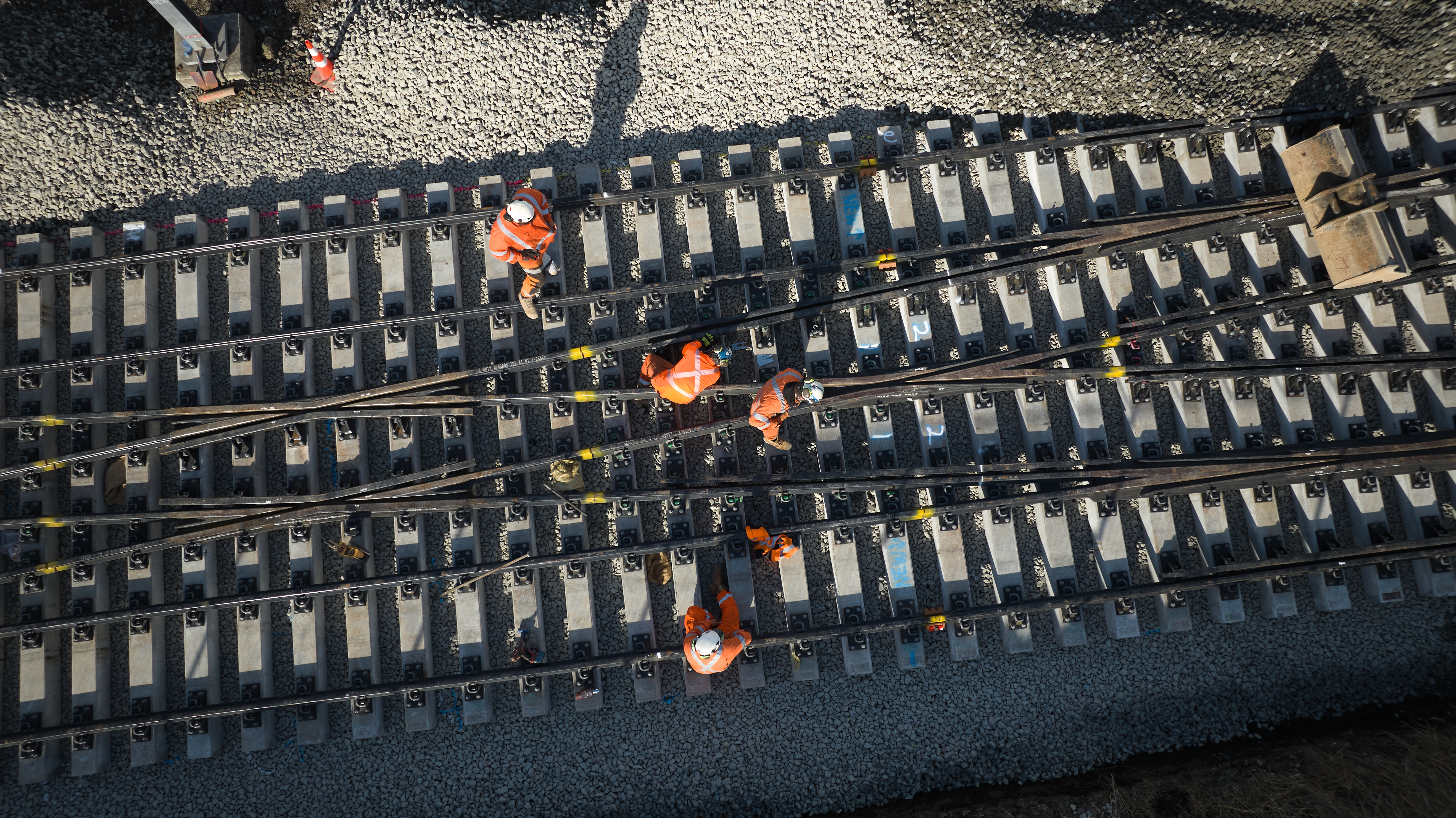
Rail Minister Winston Peters is pointing to KiwiRail's latest annual result as evidence the state-owned rail operator is improving its commercial position, with the Government citing a $162 million operating surplus and 11 percent growth in rail freight revenue.

GKC Consulting founder Glen Patrick is bringing the observability and digital resilience business into Wellington-based Cello Group, in a New Zealand acquisition aimed at giving enterprise, corporate and government customers a more complete technology resilience offer.

The Earn as You Learn programme will expand into the Hutt Valley, Bay of Plenty, Christchurch and Auckland, giving more young people paid pathways into manufacturing jobs.