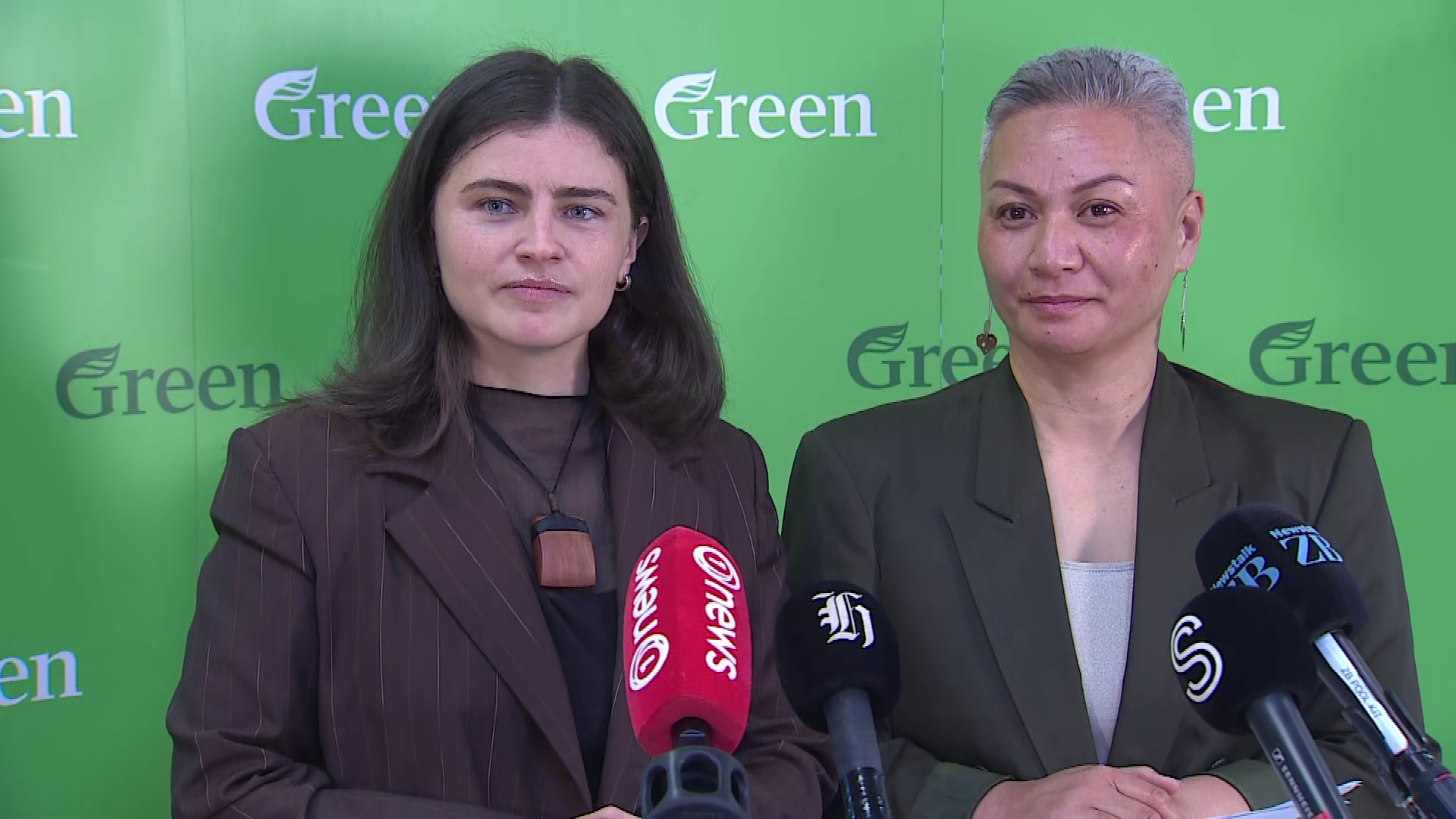
Green Party co-leaders Chloe Swarbrick and Marama Davidson have opened a major election-year tax argument by proposing new wealth and inheritance taxes alongside income-tax changes they say would leave most wage and salary earners paying less. The package, released on Sunday, would tax net assets above $10 million at 2.5 percent while exempting the family home. It would also introduce a 33 percent tax on inheritances and gifts above $1 million, with exemptions for small gifts, family homes and family farms. The Greens say the person receiving the inheritance or gift would pay the tax, not the estate.
The proposal is deliberately narrower than the party's earlier tax ambitions. The Greens' 2025 alternative Budget used a lower wealth-tax threshold and broader revenue plan. This version sets the asset threshold much higher, which the party argues gives voters clearer certainty about who would be affected. The party says 99.7 percent of New Zealanders would not pay the net wealth tax and about 1100 people a year would be affected by the inheritance proposal. The party also says the income-tax side would cut tax for 96 percent of New Zealanders.
For wage and salary earners, the most visible change would be a new $10,000 tax-free threshold. The Greens would also add a higher tax rate on income above $160,000. The political pitch is that people on ordinary wages should keep more of their pay while a small group with very high wealth contributes more. That framing will appeal to voters who see the cost of living, housing affordability and public-service pressure as linked to unequal asset growth. It will also draw strong criticism from those who see wealth and inheritance taxes as administratively difficult, economically risky or unfair to people whose wealth is tied up in illiquid assets.
The Green Party has presented the package as a way to raise significant net revenue while changing who carries the tax burden. The party claims the overall package would lift net government revenue by $5.35 billion in 2027/28, rising to $5.94 billion by 2030/31. Those figures will be heavily scrutinised because tax packages live or die on assumptions about asset valuation, avoidance behaviour, compliance costs, migration decisions and how quickly Inland Revenue can administer a new regime. The Greens point to earlier work by officials on similar ideas as evidence the policy could be implemented quickly.
The property components will be particularly contentious. The Greens also want to reverse moves that unwound the bright-line test and restored interest deductibility for residential investment properties. Under the proposal, the bright-line test would move back to 10 years, and profits on affected property sales would be added to personal income and taxed at the seller's marginal rate. That puts housing back at the centre of the tax debate and gives landlords, investors and renters a direct stake in the election argument.
The early publication of the policy online before the announcement added drama but does not change the substance. This is now a clear dividing line in the campaign. The Greens are asking voters to accept more explicit taxation of very high wealth in exchange for broad income-tax relief and higher public revenue. Opponents will argue the plan risks complexity and capital flight. Supporters will argue New Zealand's tax base leans too lightly on accumulated wealth. The policy's future will depend less on slogans than on whether voters believe the thresholds, exemptions and administration can work in practice.