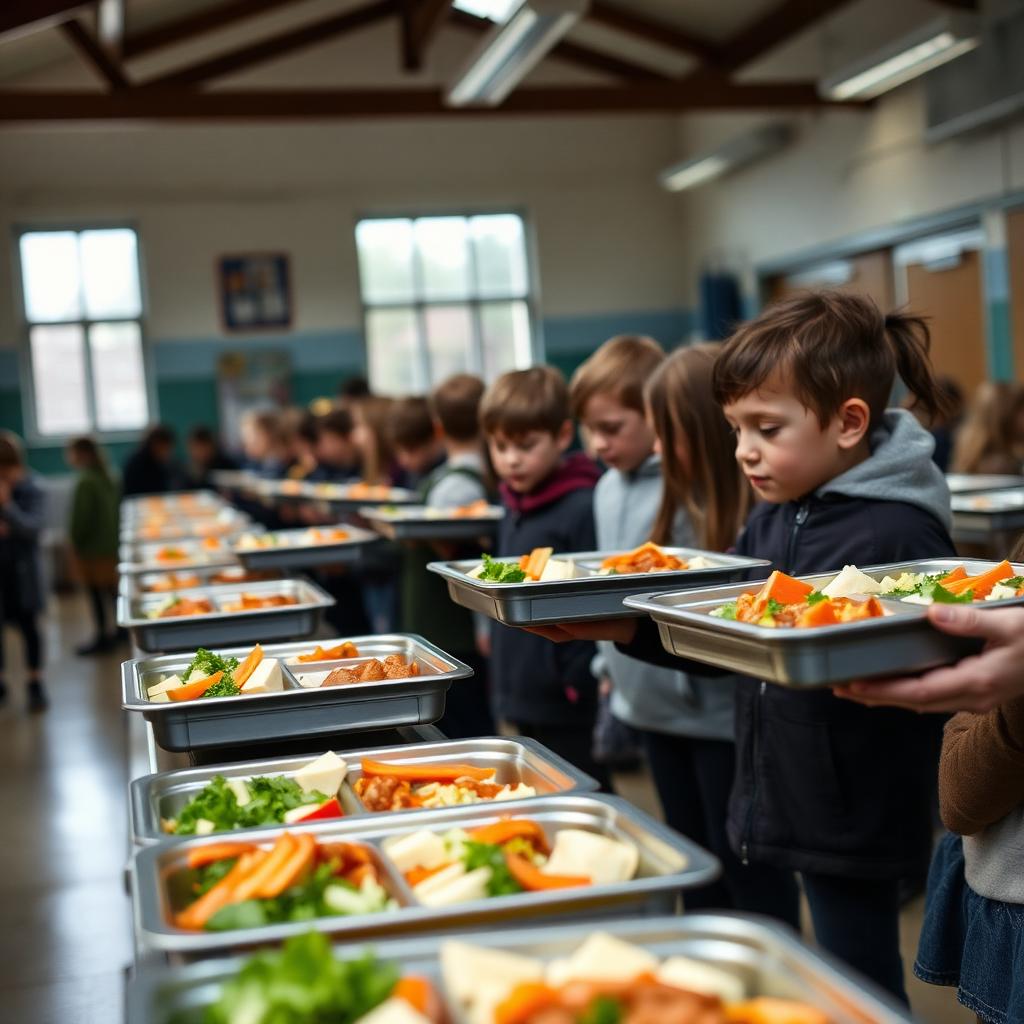
Associate Education Minister David Seymour has rejected a critical Auditor-General report on the Government's school lunch programme, turning a procurement and monitoring review into a fresh political argument over whether cheaper delivery has come at the cost of basic accountability. The Auditor-General found the programme was saving money compared with the previous approach, but that the Government had not been able to clearly show the scheme was delivering its aims.
The report's significance is not only that it criticises process. School lunches are a daily service for children, schools and families. If meals arrive late, are rejected, fail nutrition standards or produce avoidable waste, the problem lands immediately in classrooms. The programme is also large enough that supplier decisions affect businesses, jobs and regional food networks. That is why procurement, contingency planning and performance monitoring matter even when ministers argue that savings are real.
The Auditor-General raised concerns about weak back-up planning, last-minute changes after contracts had been signed, and insufficient tracking of performance. Seymour signed a two-year contract worth $85 million a year with the School Lunch Collective in October 2024, and the collective included Compass and Libelle before Libelle went into liquidation in March, owing more than $14 million to creditors. Those facts show why supplier resilience was not a side issue.
Seymour's response was forceful. He argued the report favoured process over outcomes and said he had saved taxpayers $360 million and counting by making the programme more efficient. He described the problems as teething issues that had been addressed and said surplus was being reduced through ministry work with schools. That is the minister's central defence: a lower-cost programme with operational problems is still preferable to a more expensive model.
Nutrition and waste are the public tests. The report found only 50.5 percent of meals complied with nutrition standards across 2025, although compliance improved in later terms. Surplus rates were also higher than the maximum contracted for, with the School Lunch Collective's surplus rate reportedly increasing to 17 percent in 2026. For schools and families, the immediate issue is whether the service improves from here — meals need to arrive, meet standards, be wanted by students and produce less waste.