Farmers and growers are being urged to prepare early for a potentially strong El Nino, with MPI agriculture national response manager Andrew Curtis telling RNZ that impacts will vary by region and that on-farm planning should start before pressure builds. Farmers Weekly republished the RNZ report on 3 July, saying forecasters expect a windy, dry spring in northern and eastern areas while western parts of the country may see above-normal rainfall.
The practical advice is not abstract climate talk. Curtis pointed to water infrastructure, supplementary feed capability, feed deficit planning and alternatives for animals if feed stocks start to run dry. He also raised the possibility of de-stocking decisions, wildfire risk and heat stress on animals. Those are the kinds of decisions that become harder when a dry season is already biting and everyone is trying to secure the same feed, transport or contractor support.
The warning follows broader reporting that Earth Sciences New Zealand has said El Nino conditions are now present in the tropical Pacific and may have the potential to exceed the five strongest events on record. 1News reported that the climate phenomenon is expected to influence New Zealand from September, with drier-than-usual conditions historically associated with northern and eastern areas and wetter conditions more likely in western regions, especially the lower South Island.
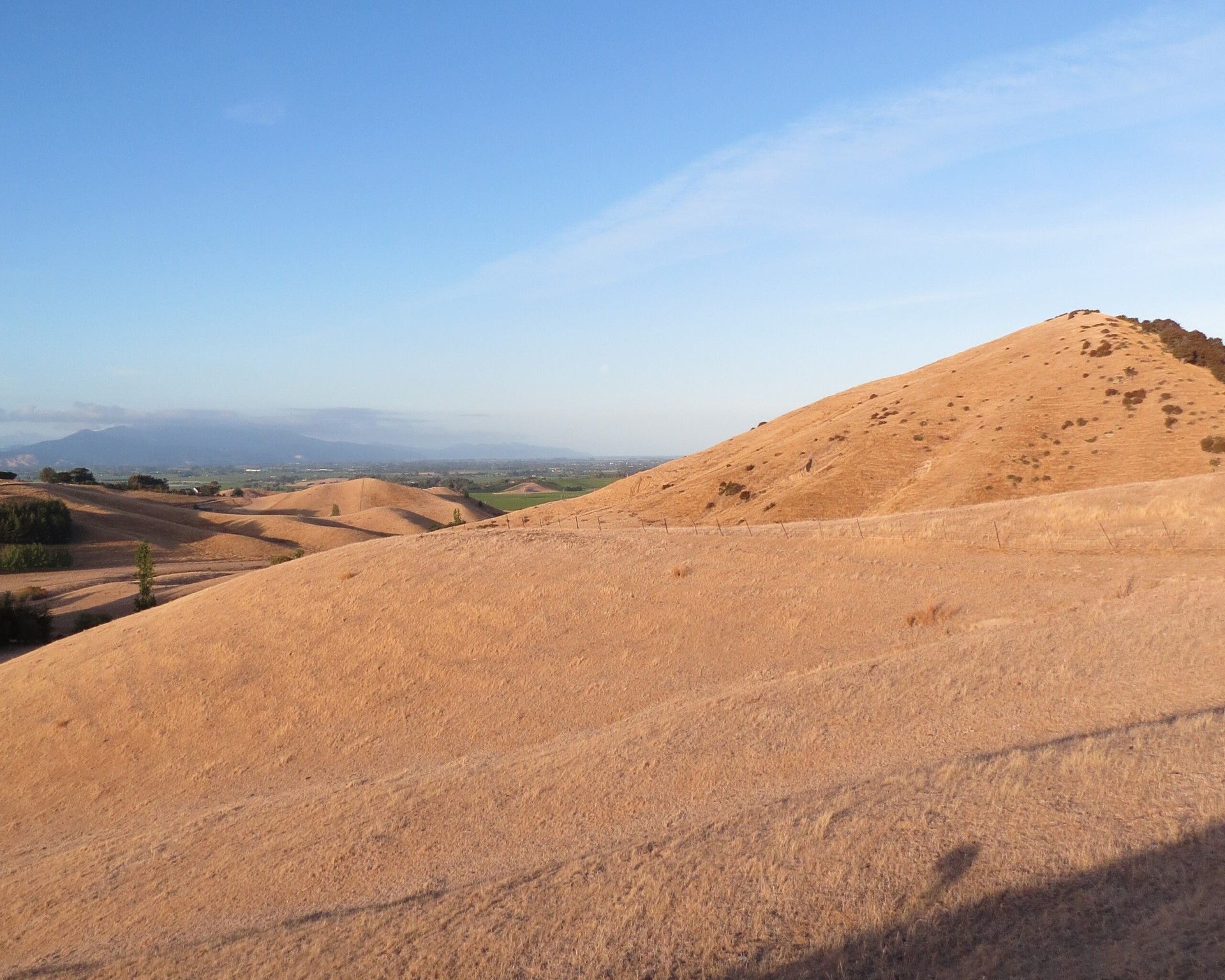
For farmers, the key word is regional. Otago Regional Council principal scientist Jason Augspurger told RNZ that strong El Nino years tend to bring windier and wetter conditions in western Otago near the alps, while central and eastern Otago can face hot, windy and dry conditions severe enough to produce drought events. That means national headlines need to be translated into local farm plans rather than treated as one forecast for every property.
The economic risk is also wider than individual farms. Lincoln University applied economist Anita Wreford told RNZ that previous El Nino events have led to a reduction in GDP of 0.4 percent, more than last year's annual growth figure. Drought can force supplementary feed purchases, stock culling and tension between water users. If global dairy or food supply is also affected, commodity prices may move in ways that partly offset or compound the local impact.
The timing gives the rural sector a window. Winter is not the same as spring, and soil moisture, feed reserves and water storage vary across districts. But planning now can make later decisions less reactive. Farmers can review trigger points for selling stock, check water systems, talk to advisers, update budgets, identify feed sources and consider how heat or wildfire risk would be managed if conditions deteriorate.
The message for rural New Zealand is not panic. It is preparation. A strong El Nino does not affect every valley, catchment or farm system the same way, and other climate drivers can still shape day-to-day weather. But the combination of early scientific signals, MPI advice and regional warnings is enough to justify practical planning. The farms that make decisions early may have more options if dry, windy spring conditions arrive as forecast.