Agriculture and the food system, joined up
Farms don't sit on their own. Understanding the food system means following what happens on either side of the farm gate.
Kiwi News Desk··5 min read
Farms don't sit on their own. Understanding the food system means following what happens on either side of the farm gate.

Rolling green pasture with grazing sheep
It is easy to picture agriculture as the work that happens between sunrise and milking. In practice, a farm is one link in a long chain that runs from seed and stock through processing, transport, retail and finally the kitchen table.
Decisions made off-farm — at a co-operative board, in a supermarket buying office, in a freight schedule — shape what is viable on-farm. That is why our agricultural coverage spends time with the people who handle product after it leaves the gate as well as the people who raised it.
We also pay attention to land use changes, water rules, animal welfare standards and the slow shift toward different crops and stock classes. These move on the scale of seasons and decades, not news cycles, but they are some of the most consequential stories in the country.
Good food reporting starts in the paddock and the orchard, and follows the product the whole way.
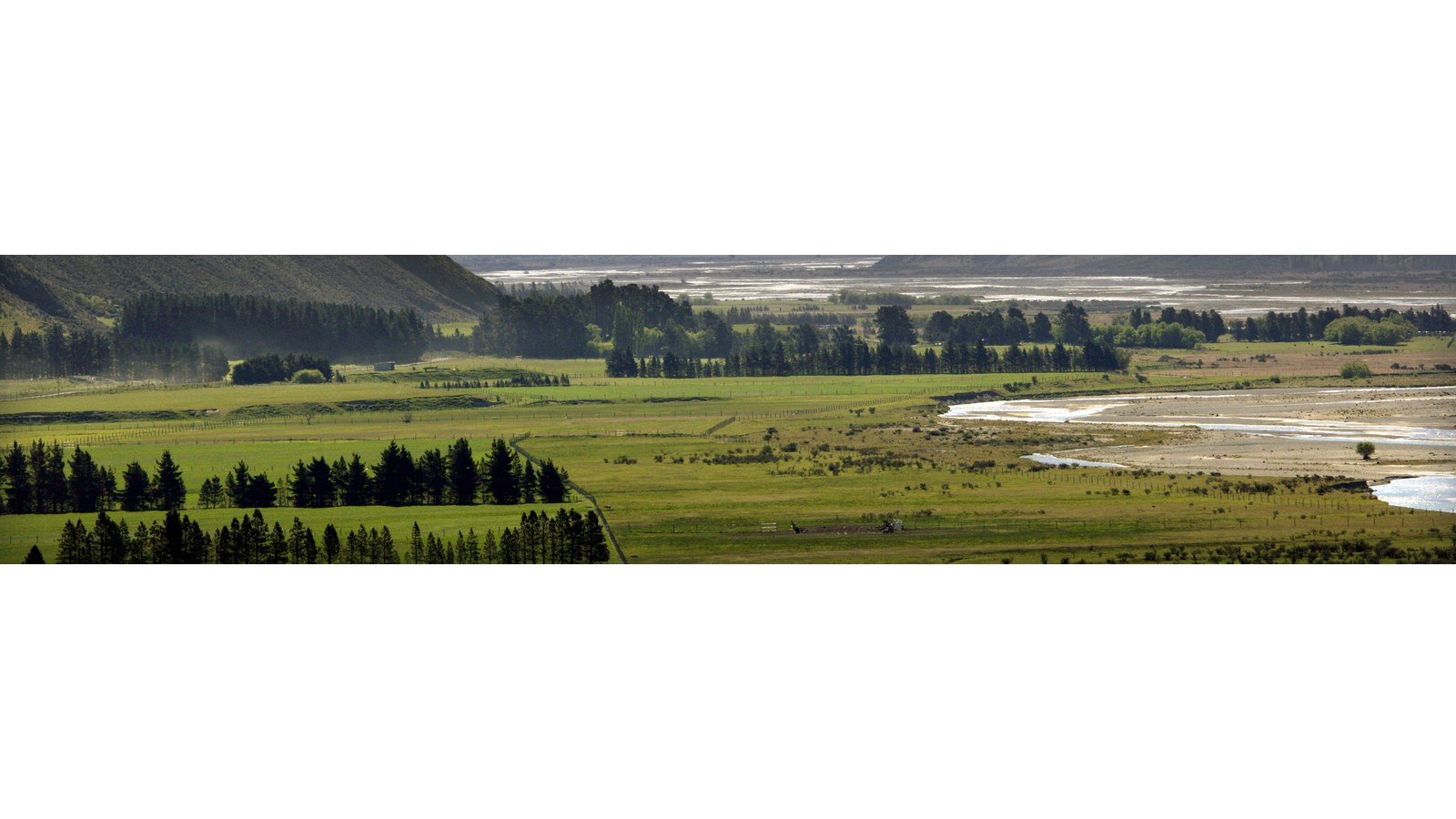
Youth Minister James Meager has announced a new rural-skills pilot aimed at giving at-risk young people practical exposure to primary-industry work in the lower North Island.
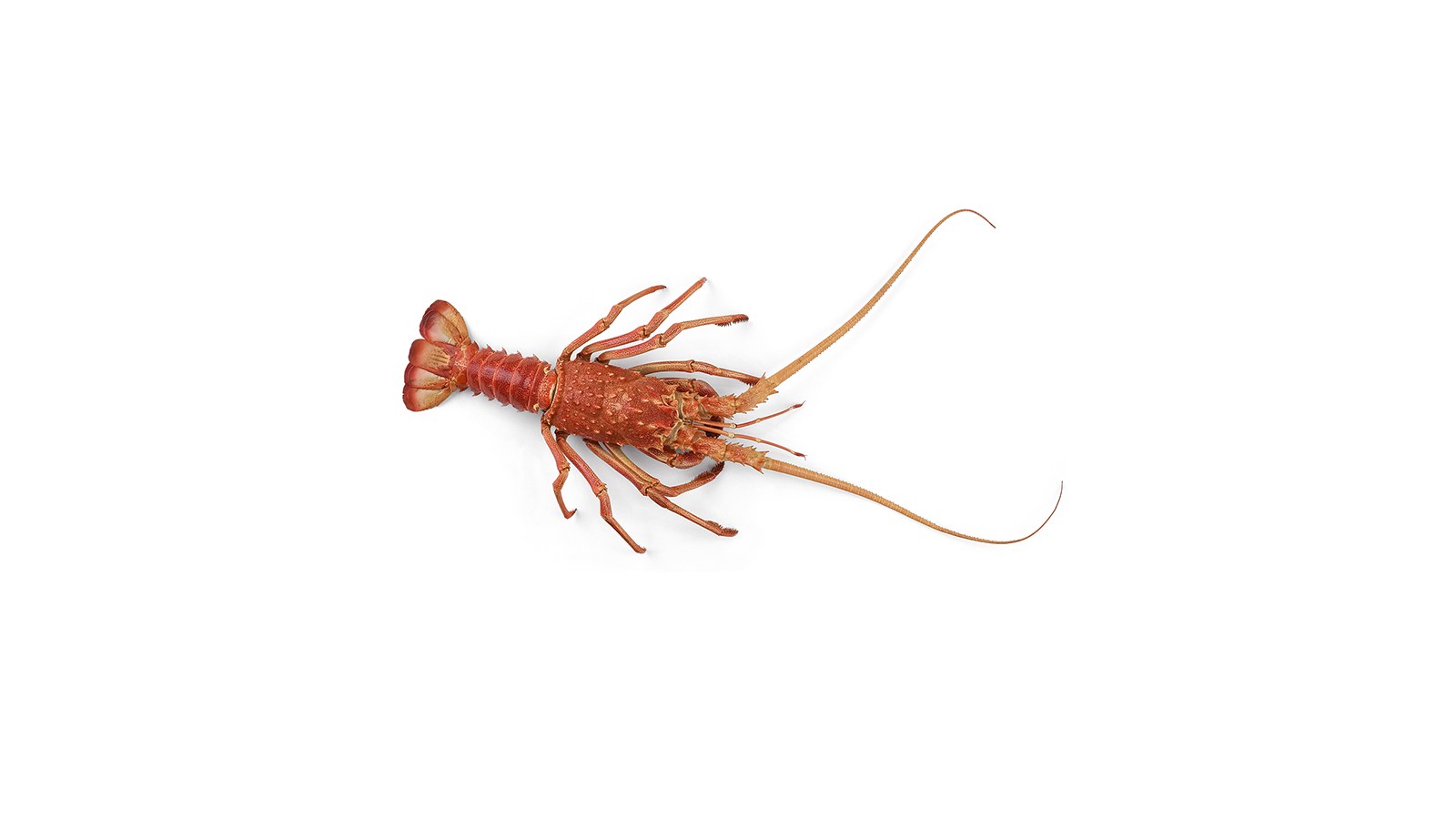
Oceans and Fisheries Minister Shane Jones is seeking public feedback on proposed rock lobster management changes around Aotea Great Barrier Island, adding another local fishery decision to the wider Hauraki Gulf sustainability debate.
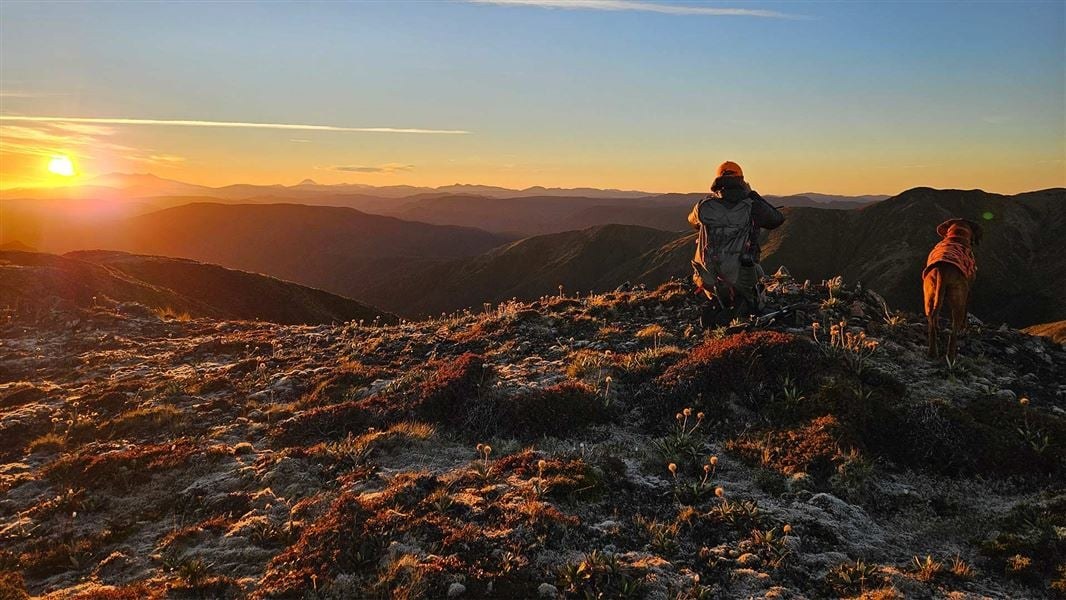
Hunting and Fishing Minister James Meager has opened the 2026 National Wild Goat Hunting Competition, calling on hunters and landowners to help reduce damage to native bush, farms and forestry.