Why cutting back on coffee could lead to strange, vivid dreams
Cutting back on caffeine can produce a curious side effect: unusually vivid, sometimes unsettling dreams.
Kiwi News Desk··2 min read
Cutting back on caffeine can produce a curious side effect: unusually vivid, sometimes unsettling dreams.
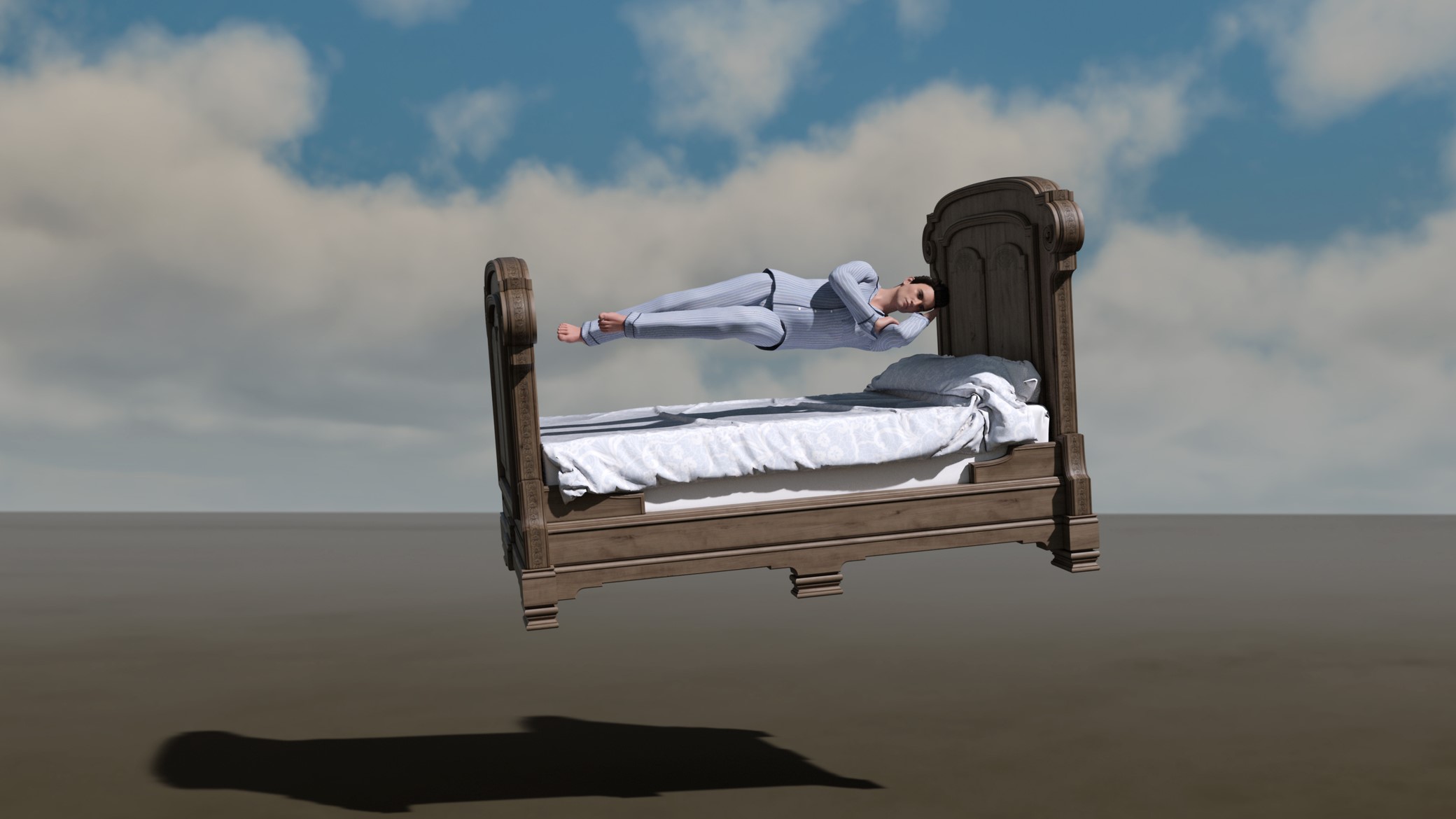
Why cutting back on coffee could lead to strange, vivid dreams
Cutting back on caffeine can produce a curious side effect: unusually vivid, sometimes unsettling dreams.
The explanation lies in sleep architecture. Caffeine suppresses REM sleep, the stage most associated with vivid dreaming. Remove the caffeine and the body tends to compensate with a rebound, spending more time in REM than usual for a period.
That rebound is temporary. For most people it settles within one to two weeks as sleep patterns normalise, alongside other withdrawal effects like headaches and fatigue that typically peak in the first few days.
Sleep researchers note the effect is a reasonable sign the change is working. More REM sleep generally supports memory consolidation and emotional processing, even if the dreams themselves are strange company for a while.

Research linking resistance training to lower mortality has strengthened, and the reasons go beyond muscle size.

Practical strategies for making discretionary purchases work inside a tight household budget, without relying on credit.

New research suggests sleep and diet may do more for chronic stress than exercise, challenging the standard advice to simply move more.