EatClub's New Zealand launch is a dining story, but it is also an operator story. Restaurants do not only need customers in theory; they need the right number of people through the door at the right time of day.
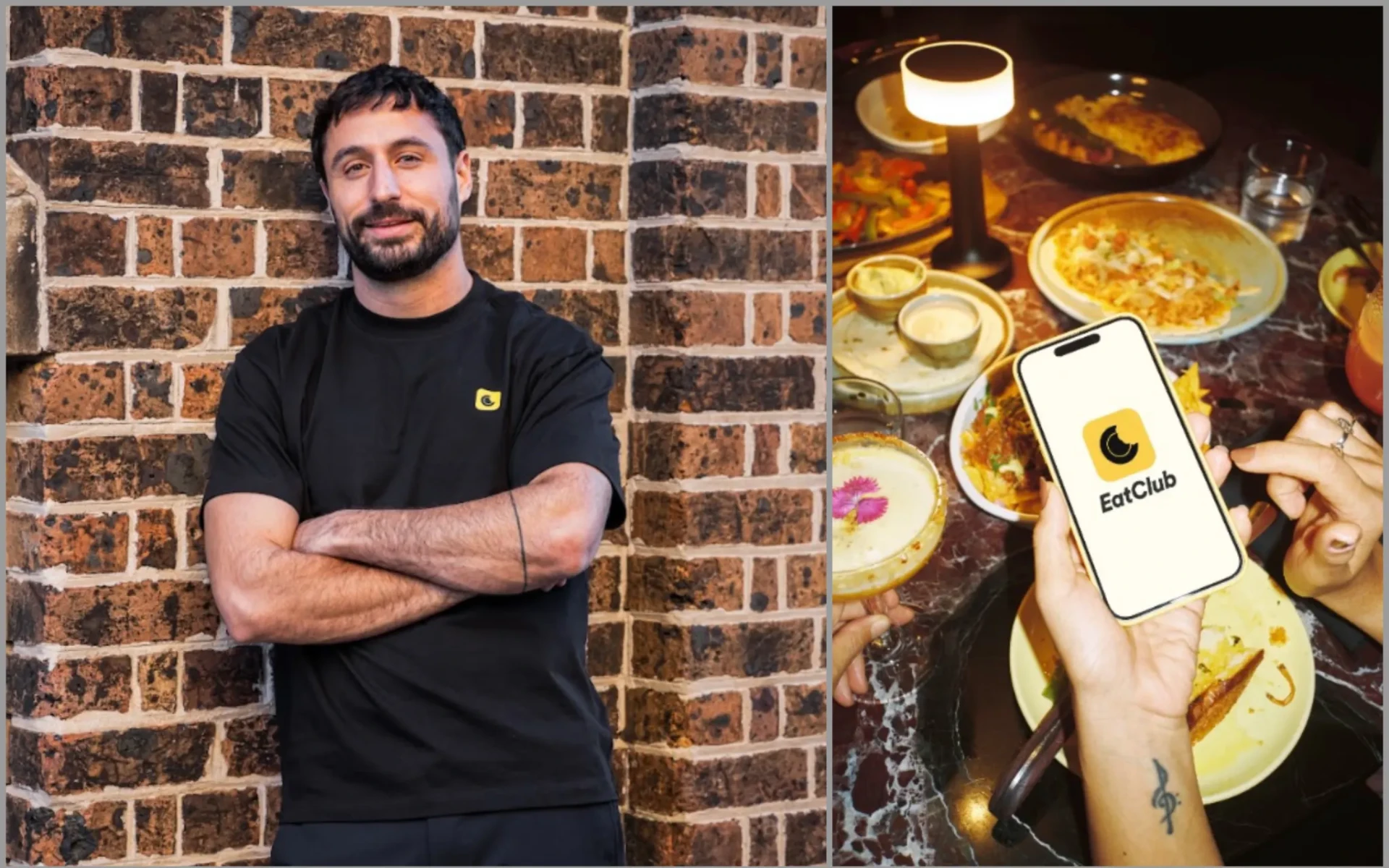
The app has launched in Auckland and Wellington with more than 250 restaurants and cafes signed up. Its pitch is simple: when a venue has spare tables, it can post a live discount of up to 50 percent. Diners claim the offer in the app, pay with an EatClub digital card in their phone wallet, and receive the discount automatically.
For customers, the appeal is price. For restaurants, the more interesting question is control. A quiet afternoon, a bad-weather evening or a cancelled booking can leave staff, food and fixed costs sitting underused. EatClub lets operators discount at specific times and for specific numbers of tables rather than cutting prices across the whole menu.
That distinction matters in hospitality. Discounting can be risky if it teaches customers to wait for cheaper prices or makes a premium venue look desperate. EatClub chief executive and co-founder Pan Koutlakis is arguing the opposite: that empty tables do more damage than a controlled, time-limited offer.
The platform arrives with recognizable names on board, including high-end Auckland and Wellington venues, and it already operates in Australia and the United Kingdom. Its shareholder and adviser list includes chef Marco Pierre White, giving the launch a level of hospitality credibility beyond a generic deals app.
Still, the New Zealand test will be practical. Restaurant margins are tight, staffing remains difficult, and diners are more cautious with discretionary spending. A discount app can help bring people in, but it cannot fix rent, wages, food costs or the unpredictable rhythm of city foot traffic by itself.
The best version of the model is one where venues use it surgically: filling gaps, introducing new customers and protecting normal pricing when demand is already strong. The weaker version would be restaurants feeling pressured to discount too often because the market is soft.
For diners, the launch creates a new way to decide where to eat. For operators, it offers a live demand lever at a time when every empty table has a cost. The next few months will show whether New Zealand restaurants treat that lever as a useful tool or just another platform asking for attention.