Sleep and diet may be better for chronic stress than exercise
New research suggests sleep and diet may do more for chronic stress than exercise, challenging the standard advice to simply move more.
1News Reporters··3 min read
New research suggests sleep and diet may do more for chronic stress than exercise, challenging the standard advice to simply move more.
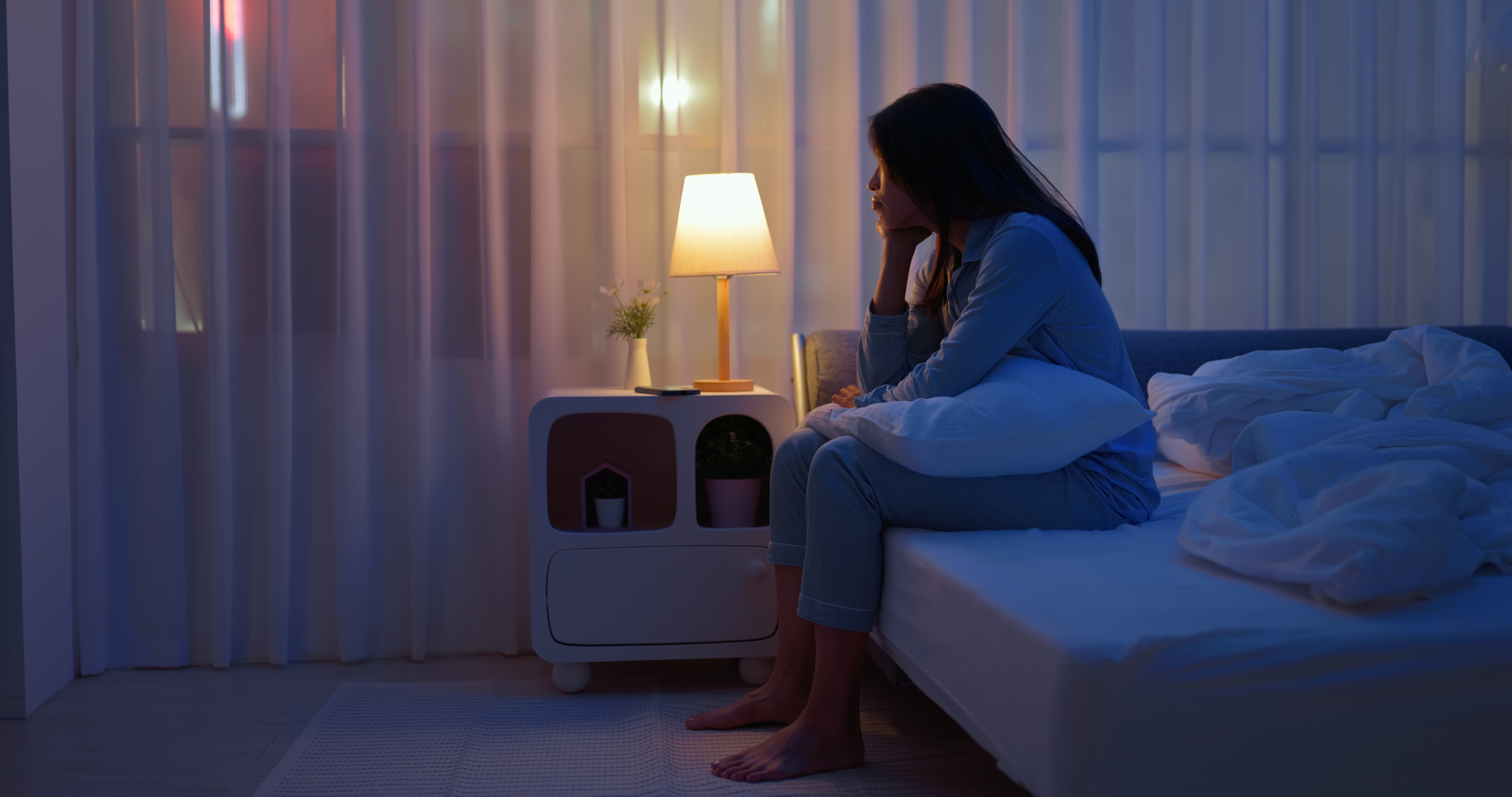
A woman sitting awake on the edge of a bed in a darkened room.
New research suggests sleep and diet may do more for chronic stress than exercise, challenging the standard advice to simply move more.
Exercise remains strongly linked to better mood and physical health, but the findings indicate its effect on sustained, long-running stress is smaller than that of consistent sleep and eating patterns.
Researchers point to the way poor sleep amplifies stress responses, leaving people less able to regulate the demands that caused the stress in the first place.
Diet appears to work through similar channels, with irregular eating and heavily processed food associated with worse stress markers over time.
The practical takeaway is not to abandon exercise, but to treat sleep and food as first-order interventions rather than things to fix once the gym habit sticks.

NZ Food Network says it distributed more than 7.3 million kilograms of food and household essentials in the past year, while new Hunger Monitor research found one in three households experienced food insecurity.

GiveOUT Day closes tonight after bringing 28 rainbow organisations into one matched-giving campaign spanning communities from Whangarei to Dunedin.

EatClub has launched in Auckland and Wellington with more than 250 venues, testing whether live discounts can help operators fill quiet periods without changing the dining experience.