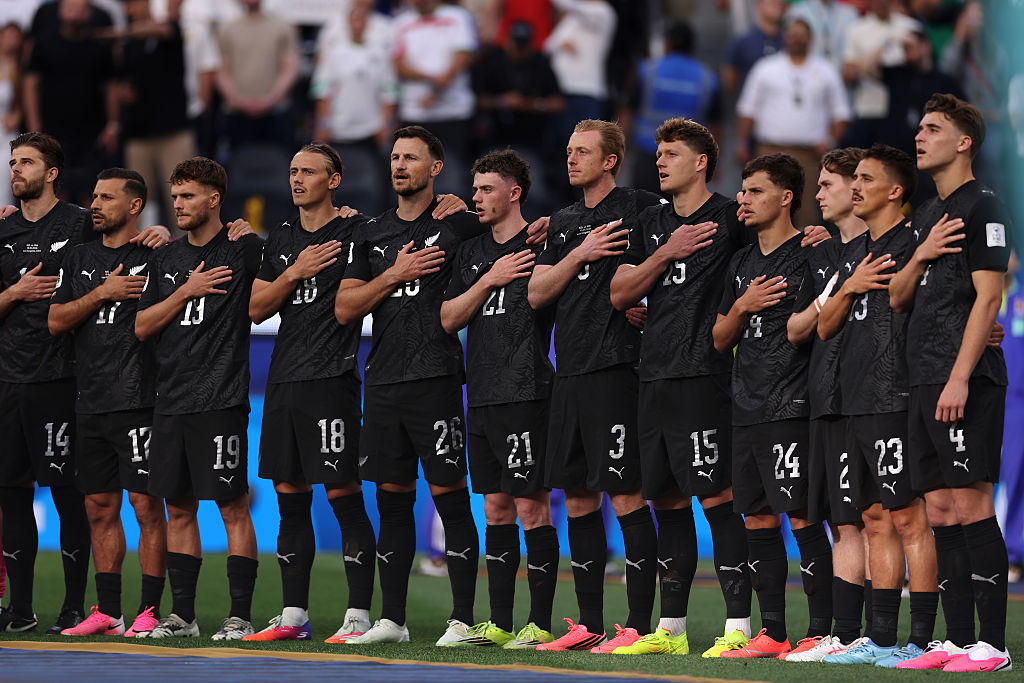
All Whites assistant coach Simon Elliott says New Zealand still has more to give as the team prepares for its next FIFA World Cup group match against Egypt. The comment comes after New Zealand opened with a 2-2 draw against Iran in Los Angeles, a result that gave the side a point and a visible lift without settling the group. Eli Just scored twice in that opener, turning a strong individual performance into one of the early New Zealand storylines of the tournament. Now the task is to turn a promising start into a consistent campaign.
The All Whites have remained in San Diego between matches while preparing for the Egypt game at Vancouver's BC Place. That travel detail matters because World Cup campaigns are not only about tactical plans. They are also about recovery, climate, travel, media attention and emotional control. Elliott said the squad was focused without becoming jumpy, a useful tone for a team that has already shown it can compete but has not yet taken a win. New Zealand's challenge is to keep the confidence from the Iran match while cleaning up the moments that cost it three points.
Egypt presents a different kind of test. The side drew 1-1 with Belgium in its opener and has one of world football's most dangerous attacking players in Mohamed Salah. Elliott said New Zealand could not build the whole plan around one opponent and would need to use the ball well itself. That is the right instinct. Teams that spend an entire match reacting to a star player can end up defending too deep and inviting pressure. New Zealand will still need collective discipline around Salah, but it also needs possession, territory and credible attacking periods.
Head coach Darren Bazeley had already framed the Iran result as proof that New Zealand can compete in the group. That belief is important because the All Whites are back on the World Cup stage with a generation of players used to professional environments overseas. But belief is not the same as control. The Iran match showed attacking threat and resilience. It also showed that one lapse can undo good work. Against Egypt, set pieces, transition defence and the spaces around midfield will be watched closely.
The group table remains tight because both opening matches ended in draws. That gives New Zealand opportunity and pressure at once. A win would put the All Whites in a strong position before their final group fixture. A loss would leave them needing help elsewhere. A draw could still keep the campaign alive, depending on the other result, but would also increase the importance of goal difference and the final match. Tournament football turns quickly, which is why Elliott's emphasis on improvement rather than celebration is sensible.
For New Zealand supporters, the Egypt match is another test of how far the programme has moved since the country last had this level of global attention. Eli Just's goals gave the campaign a spark. The next measure is whether the team can produce a more complete 90 minutes against an opponent with elite attacking quality. Elliott's message is direct: the opening draw was encouraging, but not enough. If the All Whites can add composure to the energy they showed against Iran, they have a genuine chance to make the group more than a participation story.