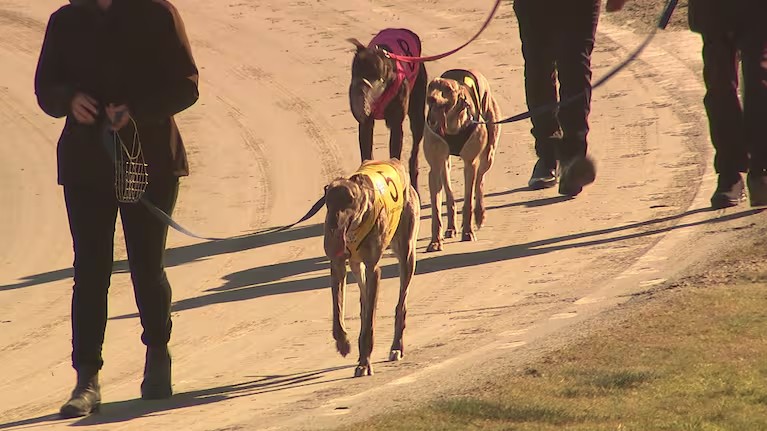
Greyhound Racing New Zealand chief executive Edward Rennell says the sport is facing a sobering final week, as New Zealand prepares to end commercial greyhound racing from Saturday.
1News reported on 28 July that greyhound racing is entering its final days, with the last race meetings taking place this week before the ban begins. The report said Friday's two meetings will mark the end of commercial greyhound racing in New Zealand, following the Government's decision in late 2024 to outlaw the sport over ongoing animal welfare concerns.
The legislative timing is clear. A Beehive release from April confirmed that the ban on greyhound racing would take effect from 1 August 2026, allowing time for a managed transition. Racing Minister Winston Peters said at the time that Parliament had taken a strong position and that support mechanisms were in place. That earlier decision now has a practical deadline: the industry is no longer arguing about a future possibility but reaching the end of scheduled racing.
Rennell told 1News there were many sad people in the sector and maintained that the decision was unfair and unjust. His comments reflect the human side of the closure. Trainers, kennel staff, track workers, breeders, administrators and racing families have built livelihoods and identities around the sport. Even readers who support the ban should recognise that an industry shutdown affects people as well as animals.
The animal welfare argument remains the reason the ban exists. 1News reported that the SPCA welcomed the final week as an historic moment, with senior scientific officer Alison Vaughan saying the ban created a chance for a brighter future for many greyhounds. The organisation has long campaigned over injuries, deaths and rehoming concerns in the racing sector. For supporters of the ban, the end of racing is a necessary step after years of reform attempts failed to satisfy welfare expectations.
The transition question now matters more than the political argument. Greyhounds need safe rehoming pathways, veterinary checks and careful assessment. People leaving the industry need clear information about support and obligations. Tracks, kennels and racing assets will have to be wound down or repurposed. The risk in any closure is that attention fades after the final race, just when the practical work becomes most important.
The Manukau Stadium protest reported by 1News shows how emotional the end has become. Demonstrators were present at the final meeting there, and the report described an ugly exchange over the fence. That tension should not distract from the core responsibility: the dogs must be protected, and the people responsible for them must be held to lawful and humane standards.
For Kiwi News Desk, this is a sport story because it marks the end of a commercial racing code. It is also an animal welfare and policy story. New Zealand has decided that the risks and harms of greyhound racing are no longer acceptable. The final week should be handled with discipline, because the measure of success will not be the last race result. It will be how well the country manages the dogs and people left after the finish line.