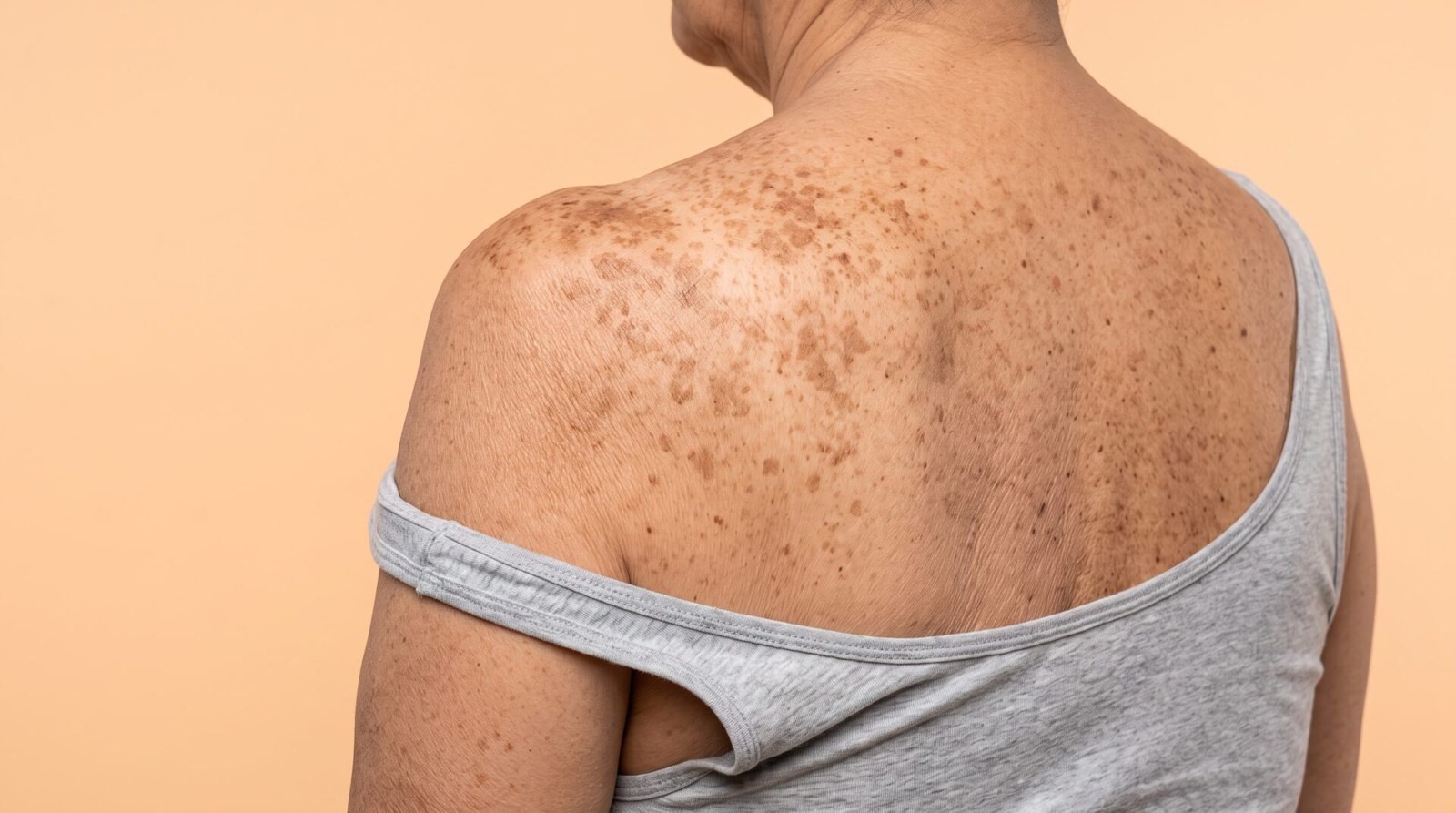
Health Minister Simeon Brown says more New Zealanders will be able to have suspicious skin spots and moles checked and removed at local GP clinics, under the first stage of a $23 million investment in community healthcare.
The announcement, dated 1 August, says the initiative will fund more skin cancer services outside hospitals, starting with suspicious spots and moles. The policy is built around two practical skills: dermoscopy, where clinicians use a specialised magnifier to examine suspicious skin changes, and skin excision, where spots can be removed on site rather than requiring a hospital appointment.
The public-health argument is direct. Brown said New Zealand has among the highest melanoma rates in the world and that skin cancer is the country's most common cancer. The important point for patients is timing. Skin cancer is more treatable when it is found early, but access to checks and removals can vary depending on where people live, what they can afford and how long specialist services are taking.
Moving more care into GP clinics is not a glamorous policy, but it may be one of the more visible changes for households. A patient who notices a changing mole often wants a quick answer. If the only affordable route is a slow hospital referral, anxiety grows and treatment can be delayed. If more local clinics can examine and remove suspicious spots safely, the health system can reduce both waiting and uncertainty.
The announcement also says the first stage will build on existing community skin cancer services that already work well in parts of the country, creating a more consistent national approach. That wording is important because New Zealand's current experience is uneven. Some communities have strong local services. Others rely more heavily on hospital pathways or private clinics.
There are workforce questions. Training GPs in dermoscopy and skin excision is useful only if clinics have time, equipment, funding and follow-up arrangements. A busy practice cannot absorb extra procedures simply because a minister announces them. The programme will need practical contracts, clear clinical criteria, safe referral routes for complex cases and enough funding to make participation viable.
It also has to protect quality. Skin cancer work carries real clinical risk. Clinicians need to know when a spot can be managed in primary care and when specialist assessment is needed. Patients need clear information about biopsy results, margins, follow-up checks and warning signs. Faster access should not mean looser standards.
Brown framed the policy as better use of hospital specialists, allowing them to focus on complex cases. That is a sensible goal if the primary-care layer is supported properly. Faster cancer treatment is already a national health target, and community management can help only if it is connected to the wider cancer pathway rather than sitting as a disconnected local service.
The initiative also previews the Government's broader community-care push, with later work to include cataract follow-up with optometrists, symptomatic bowel cancer detection and respiratory care. That suggests a shift toward moving suitable services closer to patients and reserving hospitals for more complex needs.
For patients, the practical message is to take skin changes seriously and seek advice early. For clinics and health planners, the test is implementation. If the $23 million investment produces more trained clinicians, shorter waits, consistent standards and better referral pathways, it could make a meaningful difference in a country where sun exposure and melanoma risk are part of ordinary life.