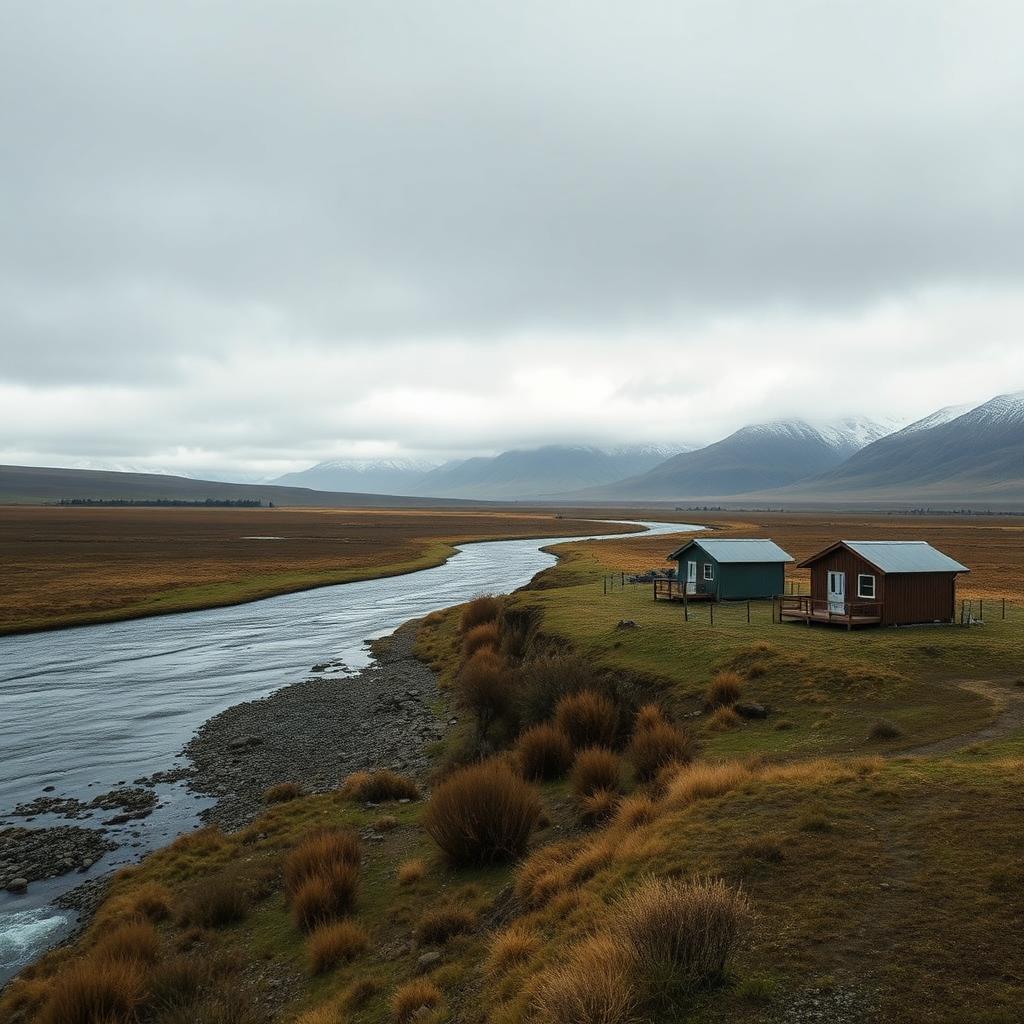
Upper Selwyn Huts residents have secured a new 30-year deed of licence after years of uncertainty, ending a long fight over whether the small Canterbury lakeside settlement would have to leave land it has occupied for generations. Selwyn District Council adopted the deed on Tuesday and residents in the council chamber greeted the decision with cheers and applause.
The story is regional, but it reaches into national questions about housing security, climate risk, council responsibility and the value of historic settlements that do not fit neatly into modern planning systems. The 95 huts are located on Springston South Reserve, a Crown-owned reserve managed by the council. In 2019, the council had signalled it wanted to evict the settlement by 2039. That threat changed the way residents saw their future and turned a local licence issue into a long community campaign.
Selwyn Huts Owners Association chairperson Graeme Young said the decision restored residents' dignity and their basic right to live peacefully in their homes. That language matters because this was not only a technical discussion about wastewater, flood exposure or reserve management. For residents, the huts are homes, family places and part of the district's history. A legal licence determines whether people can plan repairs, family use and ordinary life with confidence.
The council's earlier concerns were not imaginary. The eviction threat was linked to a lack of sustainable, compliant wastewater systems and rising climate change and flood risks from Te Waihora/Lake Ellesmere. Those are serious issues for any settlement near a lake environment. The difficulty is deciding whether risk should mean removal, managed adaptation or a negotiated pathway that gives residents time and responsibility.
Mayor Lydia Gliddon called the new licences a partnership in good faith and said the decision would allow hut holders to get on with their lives. The settlement still faces practical work: existing licences expired on Monday and would be temporarily extended for up to one month so the new agreements could be signed. The long-term deed gives security, but it does not make wastewater, climate or infrastructure questions disappear.