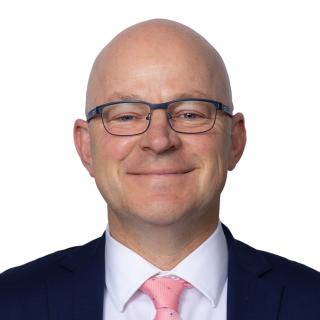
Associate Health Minister Matt Doocey says rural communities will benefit from three new investments aimed at training more frontline clinicians, improving urgent-care decisions and strengthening recruitment for rural health providers.
The 30 July announcement says the package includes more than $2.5 million for a point-of-care ultrasound training and support programme, additional funding to remove cost barriers for Primary Response in Medical Emergencies training, and $6 million for a refreshed National Rural Recruitment and Locum Support Service.
The ultrasound programme is expected to support at least 140 rural doctors and nurses over the next three years. Point-of-care ultrasound, often called POCUS, gives clinicians another tool to assess patients in real time. In a rural or remote community, that can help decide whether someone can safely receive care locally or needs transfer to hospital.
Doocey said where a person lives should not determine the health care they can receive. That is a clear political statement, but rural residents will judge it by practical access. For many communities, the issue is whether the person who sees a patient after hours has the training, equipment and backup to make a good decision quickly.
The second part of the package expands access to PRIME training. Around 29 percent of clinicians completing PRIME training currently pay the costs themselves, which can be about $2,000. The Government says the additional funding will remove that barrier and support around 150 more rural clinicians to build urgent and emergency-care skills over the next two years.
That is important because ambulance response times can be longer in rural communities. A local clinician trained to support emergency response can change the first hour of care. In serious cases, that first hour may be the difference between stabilising a patient locally and waiting for help to travel a long distance.
The third investment targets workforce supply. The refreshed National Rural Recruitment and Locum Support Service will receive $6 million. The service already helps recruit permanent doctors and nurse practitioners for general practices, and will now expand to support recruitment of registered nurses and allied health professionals, helping build multidisciplinary rural teams.
The multidisciplinary point matters. Rural health cannot depend on one heroic doctor or a fragile roster. Communities need teams that can cover urgent care, chronic conditions, mental health, maternity links, rehabilitation and routine primary care.
There are limits to what one announcement can do. Training 290 clinicians across two programmes will help, but it does not solve housing, workload, travel, professional isolation, pay competition or burnout. A refreshed recruitment service can support providers, but rural practices still need sustainable funding and enough staff to offer leave without leaving patients stranded.
Still, the package is a concrete regional health step. The next test will be whether rural providers see the funding quickly, whether clinicians can access the training without leaving services short, and whether patients notice more care being delivered closer to home.