The rural–urban links we rely on
Cities and rural districts depend on each other more than the usual framing suggests.
Kiwi News Desk··5 min read
Cities and rural districts depend on each other more than the usual framing suggests.

Country road winding through farmland toward a town
Urban and rural New Zealand are often described as if they were separate worlds with different politics. The economic and social reality is more entangled. Cities depend on rural districts for food, fibre, energy and water. Rural districts depend on cities for processing, finance, specialist services and a share of their workforce.
These links show up clearly in things like freight corridors, seasonal labour movements, weekend tourism, and the way local hospitals and schools draw staff across boundaries. They are part of why a story that looks rural — a wet harvest, a road closure — quickly becomes a story about urban supermarket shelves and prices.
Reporting that holds both sides in view tends to land better than reporting that picks one. It is also more honest about how the country actually works.
We'll keep tracing these connections, both in feature work and in the day-to-day coverage of regions.
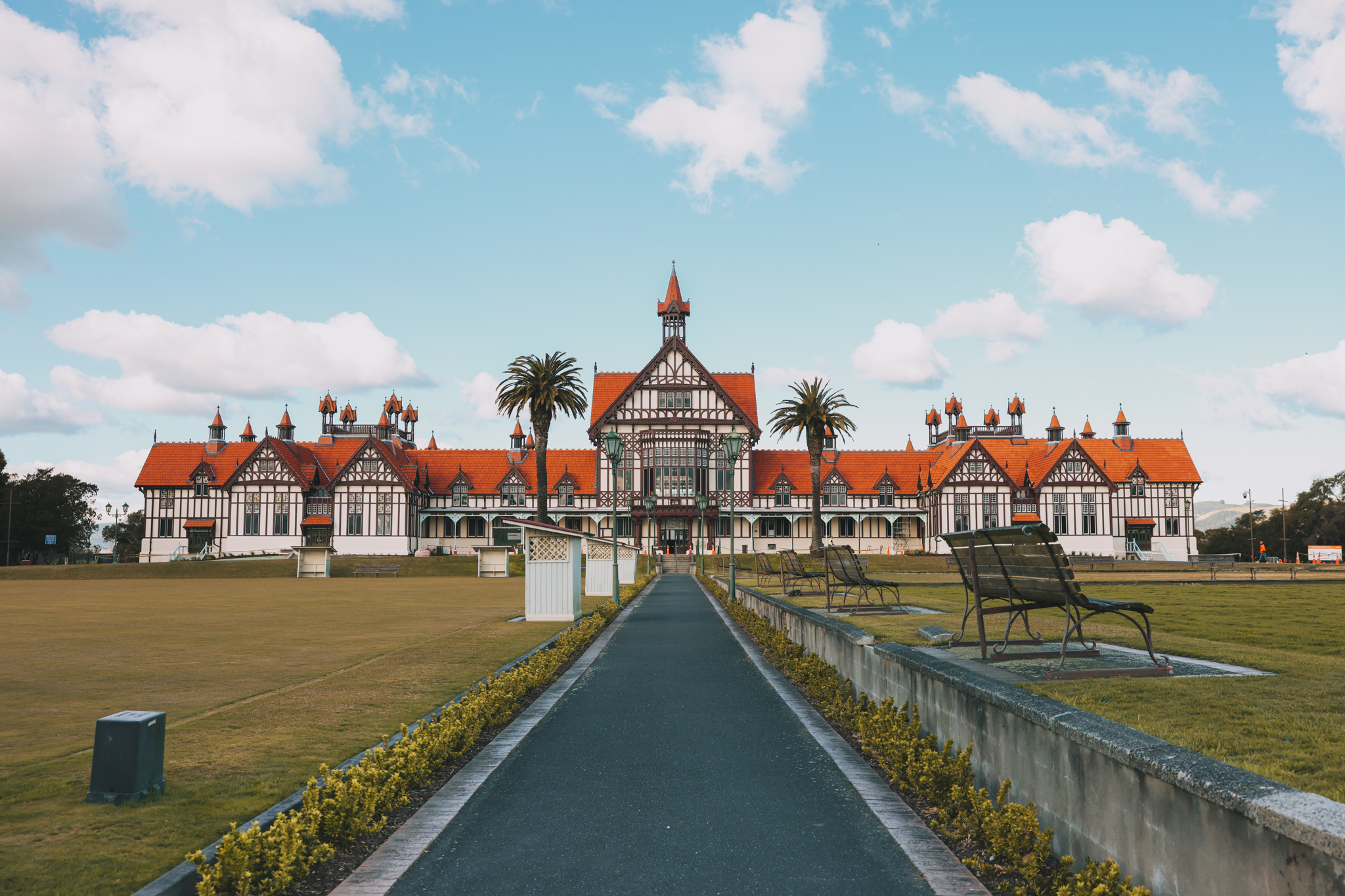
Rotorua Museum Te Whare Taonga o Te Arawa has been formally blessed after major restoration and strengthening work, marking a shift from construction site back toward public taonga as the city works toward reopening in 2028.
Education Minister Erica Stanford says Gisborne will get a new specialist school for students with complex needs, filling what the Government describes as a long-standing local gap in Tairawhiti.

Education Minister Erica Stanford says a nationwide programme upgrading small and remote schools has completed its 800th school upgrade, putting school property back into the regional infrastructure conversation.