Rockpool Rules Put Auckland And Coromandel Coastlines On Notice
New intertidal harvesting restrictions are set to change how people gather shellfish and other marine life around Auckland, Waiheke Island and the Coromandel.
Kiwi News Desk··4 min read
New intertidal harvesting restrictions are set to change how people gather shellfish and other marine life around Auckland, Waiheke Island and the Coromandel.
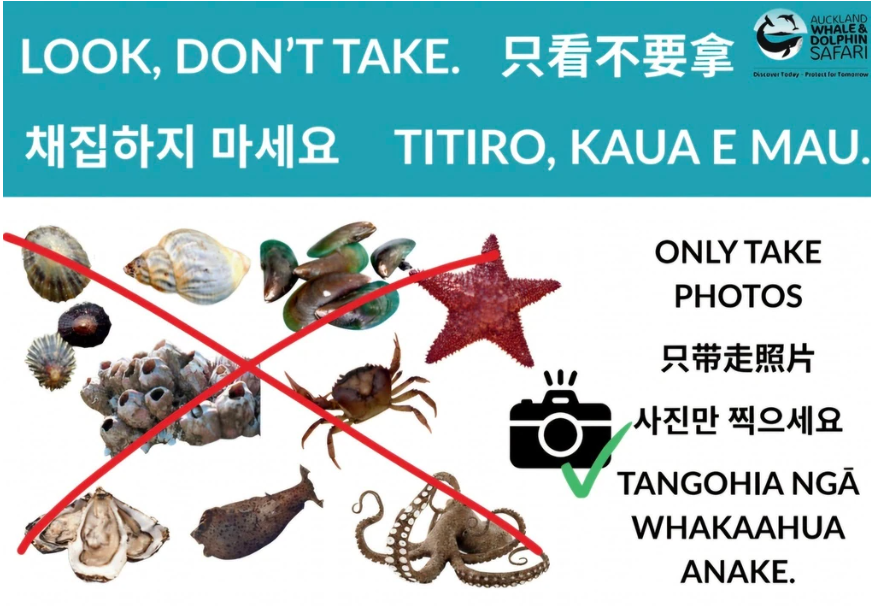
A multilingual rockpool protection sign tells visitors to look but not take marine life from coastal pools.
New rockpool harvesting rules will put a much wider stretch of the Auckland and Coromandel coastline under tighter protection this summer, shifting the debate from voluntary care to enforceable limits.
The change covers intertidal areas, from the high-water mark out to where the water is two metres deep. That means the rules apply to the places many people reach at low tide: rocky shelves, shallow pools and coastal edges where shellfish and small marine creatures can be gathered by hand.
The Government says the closure will apply across Auckland's east and west coasts, Waiheke Island and the Coromandel. A broad range of marine invertebrates will be off-limits in the intertidal zone, including cat's eyes, chitons, limpets, periwinkles and mussels. Some species remain open under their own rules, including cockles, crabs, kina, octopus, oysters, paua, pipi, rock lobsters, scallops, sea cucumbers, squid and tuatua.
The move is aimed at stopping repeated stripping of the same rockpools and rocky shore areas. Ministers say the rules respond to community concern that some fragile ecosystems are being cleared faster than they can recover.
Daily limits will also change outside the closed intertidal areas. Crabs will have a limit of 10, octopus one, sea cucumbers five and squid 10. Green-lipped mussels will fall from 25 to 10 per person where harvesting is still allowed, while mussel take will be prohibited inside the intertidal closure.
Fishery Officers are expected to focus on education from 1 November, but the Government is also working on an infringement regime so officers can issue instant fines for breaches. Prosecution will remain available for more serious offending.
The strongest signal in the announcement is that the closure is not being framed as a short experiment with a fixed end date. Ngati Manuhiri, which has long pushed for stronger protection of intertidal species, welcomed the decision as a shift toward long-term ecosystem recovery rather than repeated emergency responses.
For families, walkers and coastal visitors, the practical message is simple: check the rules before gathering anything from the shore. For the coastline itself, the test will be whether protection, education and enforcement can give heavily visited rockpools enough time to rebuild abundance.

Disability Issues Minister Louise Upston has announced a national service dog ID card, saying the standardised card should reduce confusion when certified disability assistance dog teams access public places, businesses and public transport.
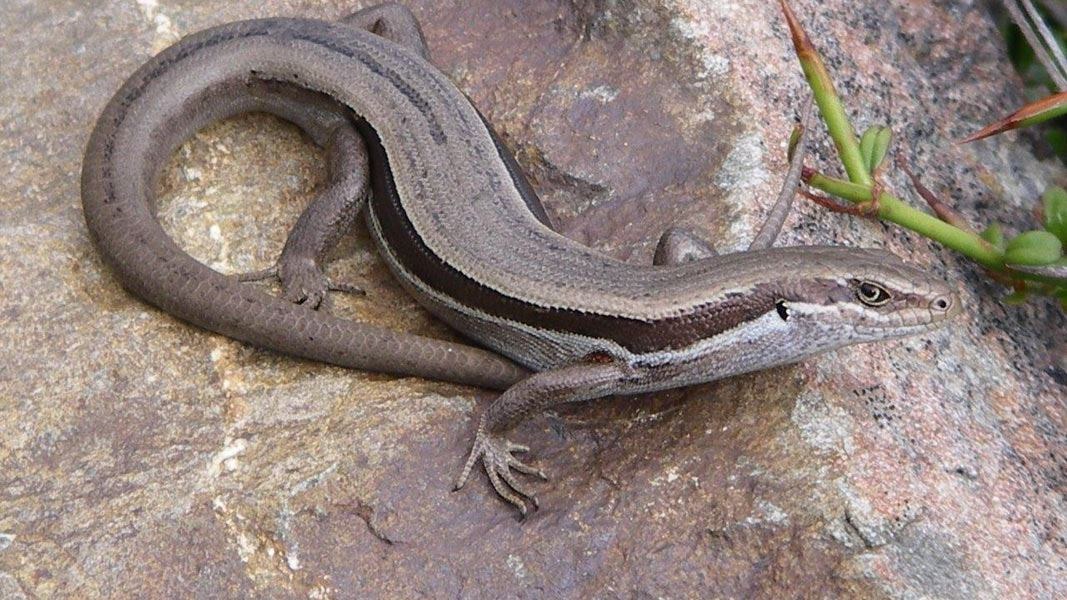
Funding will create safe backup populations for Hamilton's frog and the white-bellied skink, two native species found nowhere else in the world and now at serious risk of extinction.

Education Minister Erica Stanford says the School Onsite Training Programme will expand to 704 places a year from 2028, part of a $21.7 million five-year investment aimed at producing more classroom-ready teachers.