How NZ-wide local reporting fits together
A national newsroom is only as strong as the local threads it weaves. Here's how we think about reporting across Aotearoa.
Kiwi News Desk··4 min read
A national newsroom is only as strong as the local threads it weaves. Here's how we think about reporting across Aotearoa.

Open newspaper on a wooden desk
A country the length of New Zealand is hard to cover well from any single city. The places that shape national life — a port town reorganising around a new shipping line, a farming district adjusting to wetter winters, a suburb where a school is quietly outgrowing its roll — rarely announce themselves in press releases.
At Kiwi News Desk we treat local reporting as the foundation, not the colour. That means listening to council agendas, community newsletters, marae notices and small business directories the same way other newsrooms read government statements. Patterns emerge when you do.
We aim to write about each region in a way that someone from the next region over can still follow. Names get introduced. Acronyms get unpacked. The local story is told, and then placed inside the larger picture of where the country is heading.
That balance — close enough to be useful, wide enough to be national — is the work we want to be measured on.
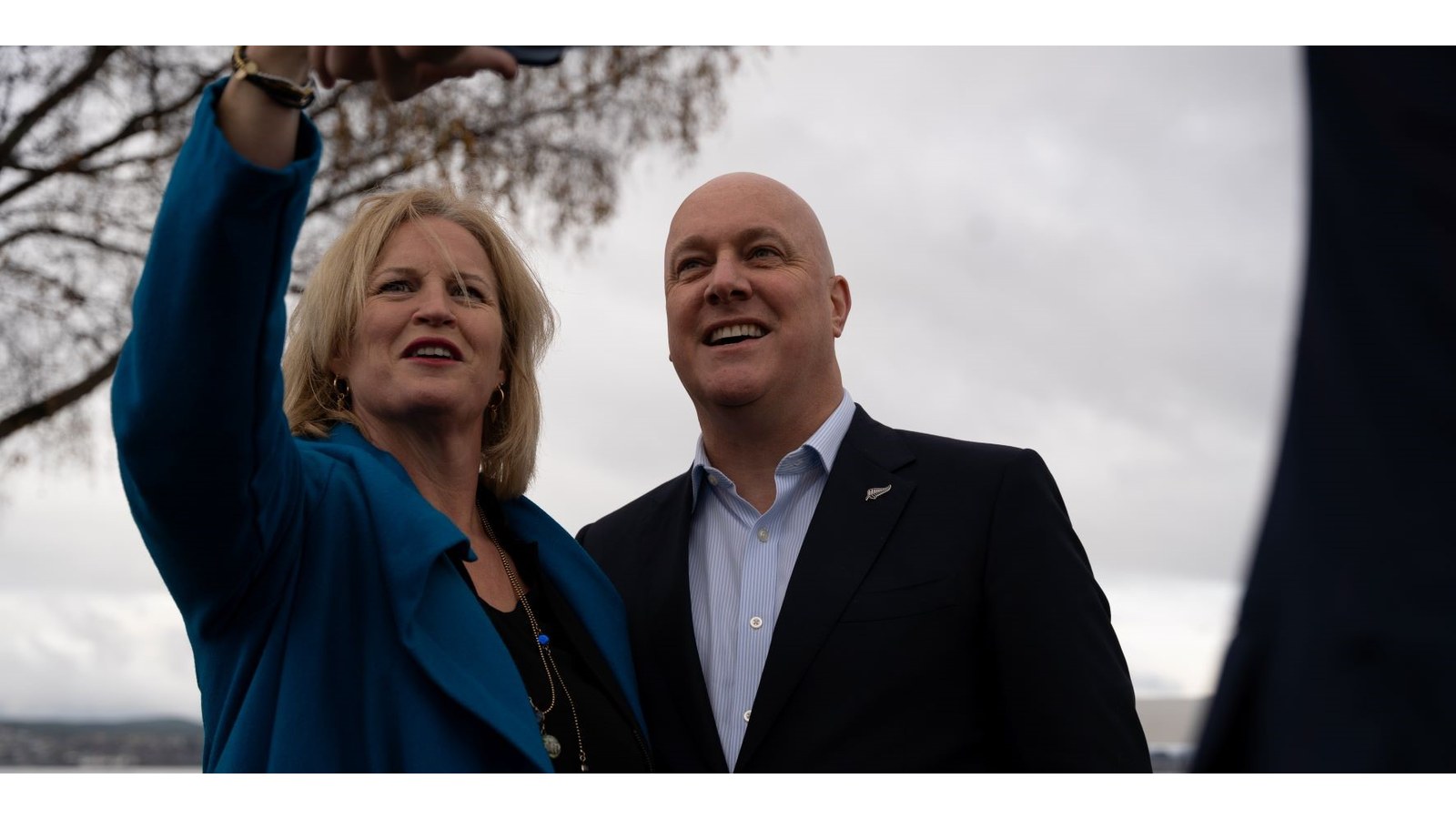
Disability Issues Minister Louise Upston has announced a national service dog ID card, saying the standardised card should reduce confusion when certified disability assistance dog teams access public places, businesses and public transport.

Funding will create safe backup populations for Hamilton's frog and the white-bellied skink, two native species found nowhere else in the world and now at serious risk of extinction.
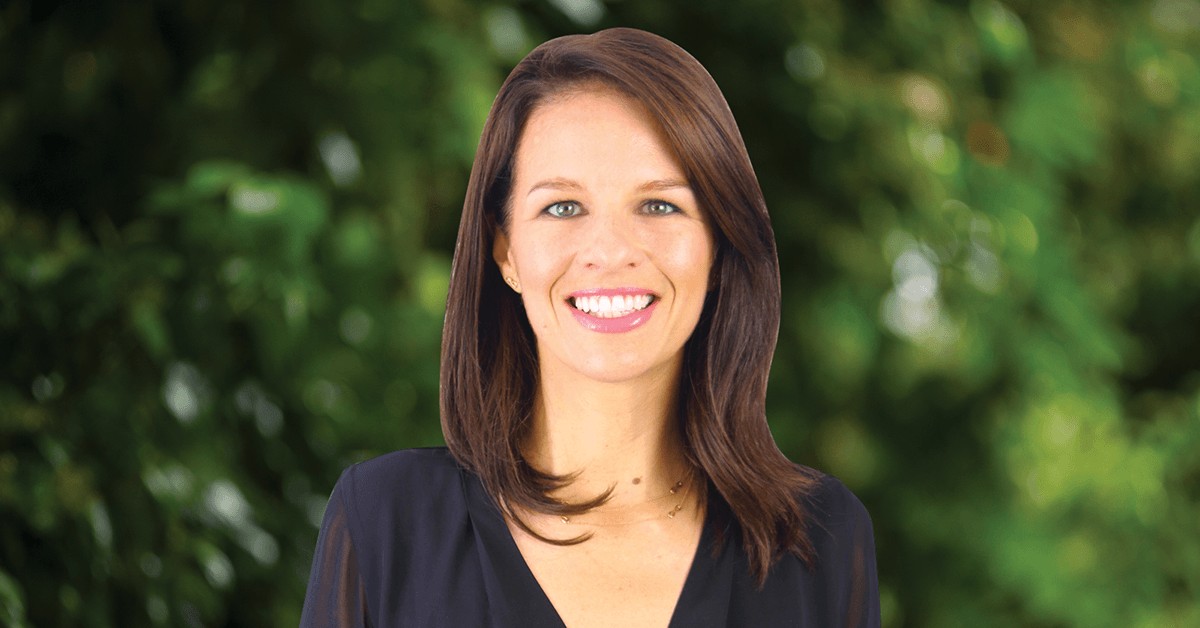
Education Minister Erica Stanford says the School Onsite Training Programme will expand to 704 places a year from 2028, part of a $21.7 million five-year investment aimed at producing more classroom-ready teachers.