Housing signals worth watching
Beyond the monthly price index, a handful of quieter indicators tell you where the housing market is really heading.
Kiwi News Desk··5 min read
Beyond the monthly price index, a handful of quieter indicators tell you where the housing market is really heading.

Suburban houses with tiled roofs
Headline house prices are a lagging measure. By the time they move noticeably, the underlying shifts have usually been visible for months in other places.
Listings volumes, days-on-market, the share of sales going to first-home buyers, build-cost indexes and new dwelling consents all move earlier. So does the mood of agents, builders and mortgage advisers, who tend to feel the turn before it shows up in the data.
Rents are their own story. They respond more directly to migration, wages and the available stock in a given suburb than to interest rates alone. A street can be flat on prices and tight on rentals at the same time.
Our property coverage will keep returning to these quieter indicators, because they are the ones households actually plan their lives around.

Auckland's Downtown Carpark redevelopment has been granted fast-track approval, clearing a major consenting hurdle for a waterfront project that would replace the seven-storey carpark with two towers, three podium buildings and a new laneway network.

Building and Construction Minister Chris Penk says 40,581 new homes were consented in the year to June, a 19 percent rise and the first annual total above 40,000 since 2023.
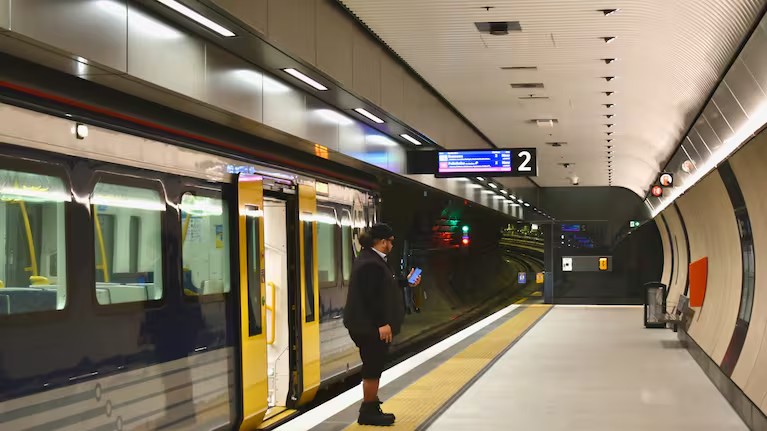
Auckland councillor Richard Hills says residents and businesses need clearer guidance on when the City Rail Link will open, after officials again declined to identify even the month passenger services will begin through the $5.5 billion project.