Female mass killers are rare - but poison is often their method of choice
Mass killings by women are rare, and when they do occur the method is markedly different from the pattern seen in male offenders.
Kiwi News Desk··2 min read
Mass killings by women are rare, and when they do occur the method is markedly different from the pattern seen in male offenders.
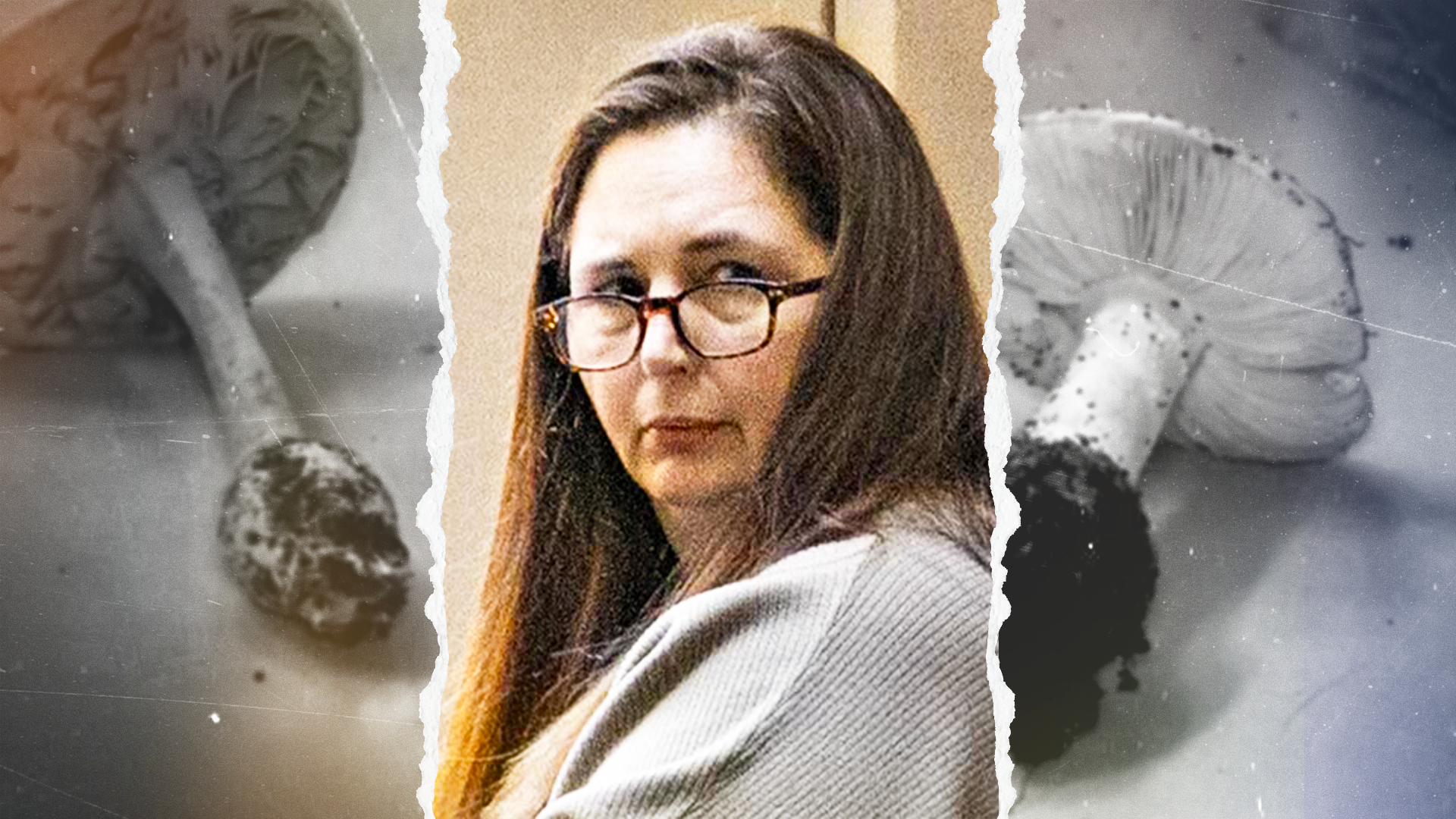
Female mass killers are rare - but poison is often their method of choice
Mass killings by women are rare, and when they do occur the method is markedly different from the pattern seen in male offenders.
Criminologists studying the phenomenon find poison is disproportionately represented. Where male mass killers overwhelmingly use firearms and act publicly, female offenders more often act privately, over longer periods, and against people known to them.
The explanations offered are practical rather than mystical: poison requires no physical advantage, allows distance from the moment of death, and can be presented as illness or accident, which suits an offender embedded in a family or caregiving role.
Researchers caution that the sample is very small, and that drawing broad conclusions from a handful of high-profile cases risks reading pattern into coincidence.

The controversy surrounding Peter Stefanovic has reopened a debate over how partisan material moves into mainstream media coverage.

Viral claims about finger exercises and brain health have drawn scrutiny from researchers who study cognitive decline.

Claims about the water consumption of artificial intelligence have spread quickly — the underlying numbers are more complicated.