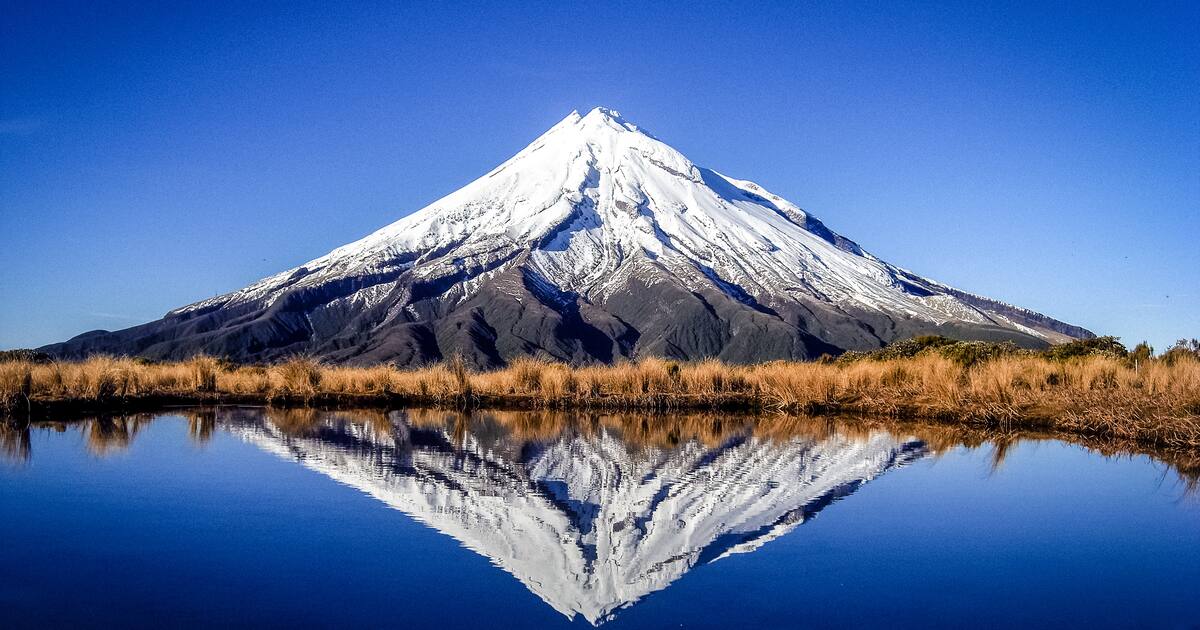
Taranaki Police Acting Sergeant David Bentley says a Mount Taranaki rescue could have ended tragically if the weather had not cleared and community alpine teams had not been able to reach three stranded trampers.
Police received a report at about 10am on Sunday that three trampers needed rescuing from different parts of the mountain. Two were seriously injured and one was stuck because of icy conditions. A helicopter was initially tasked to locate the group, but adverse weather complicated the operation. Police said an alpine team member had to be winched in above the group and then walk down on foot to reach them before the rescue helicopter could be redeployed once conditions improved.
All three trampers were located and taken off the mountain by about 4.30pm, then transported for medical attention. Bentley thanked the Ruapehu Alpine Rescue Organisation, Taranaki Alpine Cliff Rescue, St John and other community organisations involved. His warning was blunt: without those rescue teams, and without a break in the weather, the outcome could have been much worse.
The incident shows why Taranaki Maunga demands alpine-level planning even when it appears accessible from nearby towns. The mountain's weather can change quickly, and winter ice can turn a familiar route into a serious hazard. A tramper who slips, loses gear or becomes immobilised may be only a short distance from safety on a map but still unreachable without technical rescue skills. When poor visibility or wind limits helicopter work, rescuers may need to move on foot through the same dangerous conditions.
Police urged only extremely experienced and competent climbers to visit the area in current conditions. The advice included careful planning and carrying appropriate emergency equipment, including a personal locator beacon. A beacon can shorten the time between an accident and a confirmed location. Warm clothing, communication, food, navigation tools and the judgement to turn back can decide whether a mistake becomes a manageable delay or a life-threatening emergency.
The rescue also underlines the role of volunteer and community rescue organisations. These teams train for difficult terrain, often in conditions most recreational visitors try to avoid. Their work saves lives, but it also carries risk. Every avoidable alpine callout exposes rescuers to weather, cliffs, ice and fatigue. That does not mean people should stop going into the outdoors. It means visitors need to match ambition with conditions, competence and equipment.
For Taranaki and other alpine regions, the message is timely as winter conditions settle in. A clear morning in town does not guarantee safe conditions high on the mountain. The safest decision may be delaying a trip, choosing a lower route or going with more experienced people. Sunday's outcome was successful because rescuers, weather and timing aligned. The next group should not assume the same margin will be available.