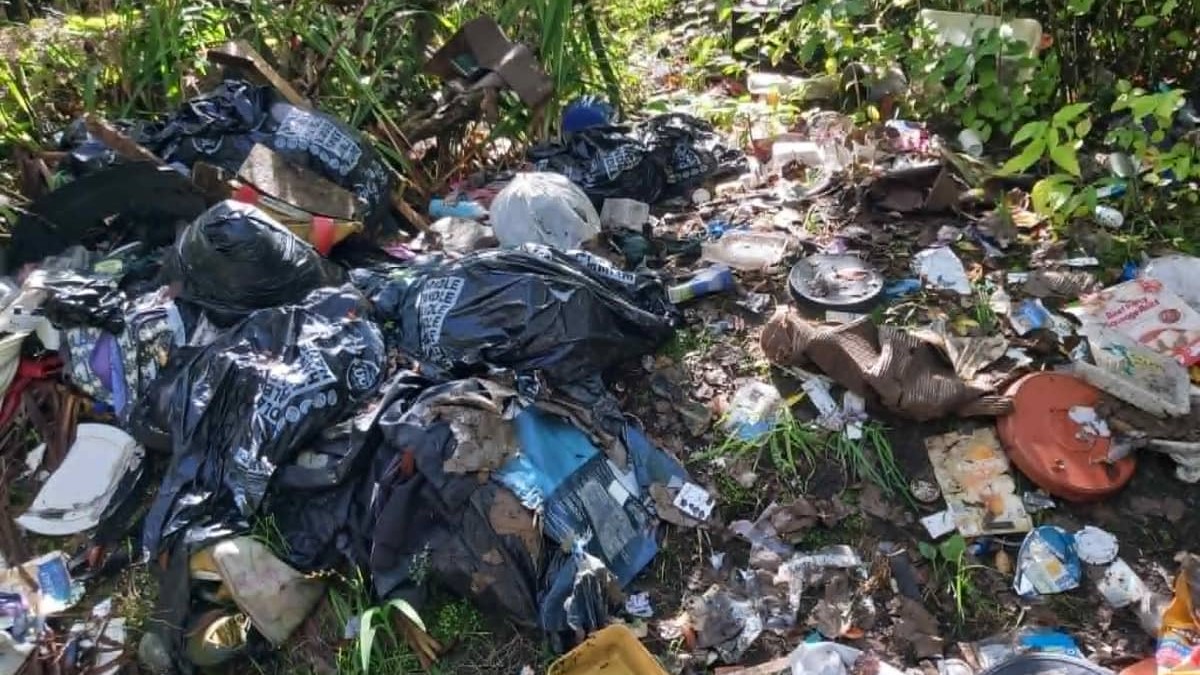
Westport resident Danny Hakaraia has turned frustration about dumped rubbish near North Beach into a large-scale clean-up, clearing more than eight tonnes of steel from sites around the coast. Hakaraia acted after seeing growing piles of rubbish on private land during regular dog walks. The story is local in scale but national in meaning: illegal dumping is not just an eyesore. It shifts costs onto communities, landowners, councils and volunteers who were not responsible for the waste in the first place.
The fly-tipping sites near Westport's North Beach show heavy material left in an area that should be treated as part of the community's coastal environment. Steel is not a stray takeaway wrapper. It requires lifting, transport and disposal planning. When tonnes of it are abandoned, the clean-up becomes a practical logistics job, not simply a good deed. Hakaraia's effort therefore points to a wider gap between environmental expectations and the systems available to deal with people who dump material where it does not belong.
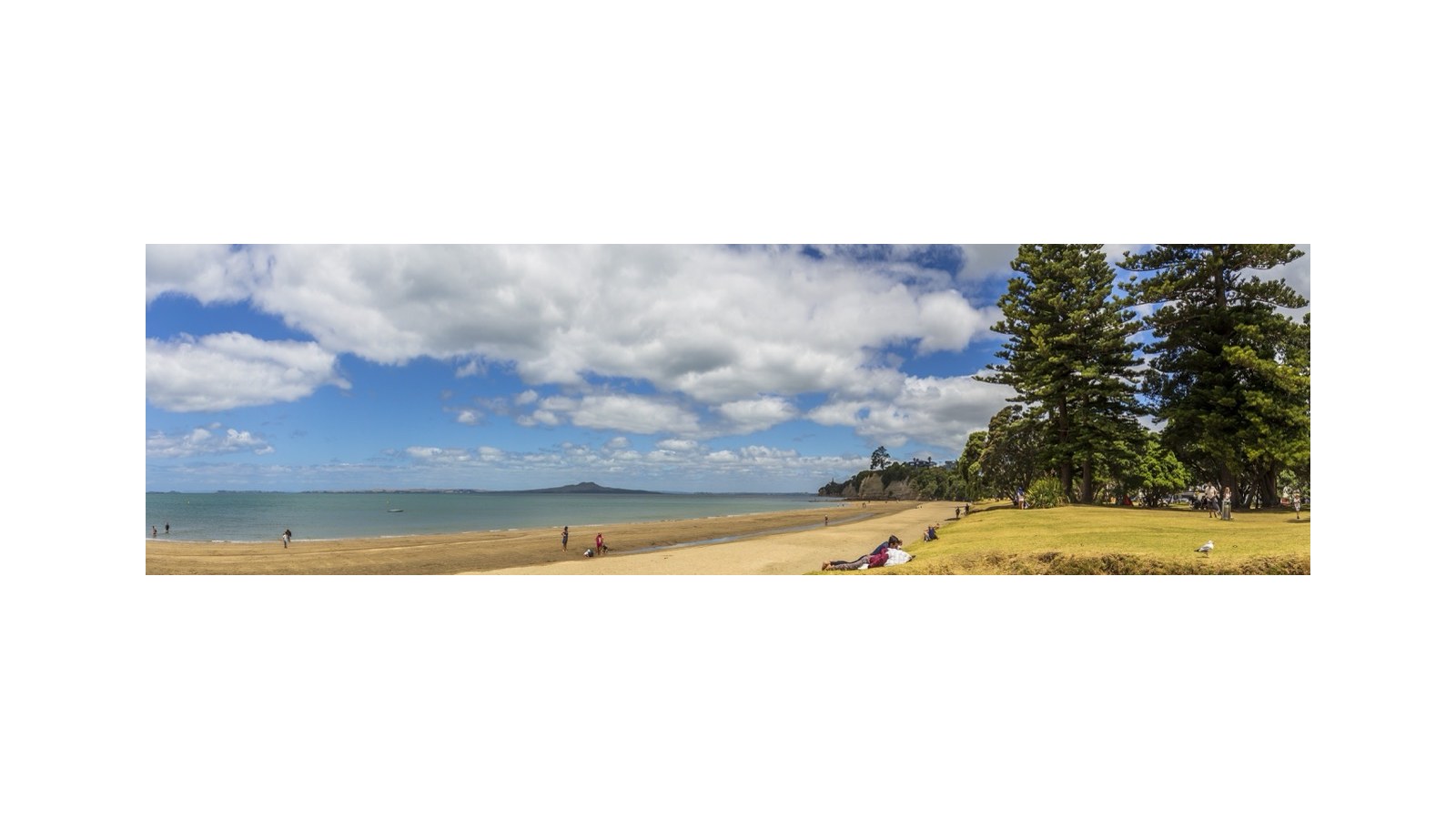
West Coast communities know the value of their beaches, rivers and access tracks. They are places for walking, fishing, tourism, dog exercise and ordinary family time. They are also exposed to storms, erosion and changing sea conditions. Dumped steel and other waste can create hazards, damage the look and use of an area, and send a signal that a place is not being cared for. That signal matters because neglected sites can attract further dumping. Once a pile starts, others may treat it as permission to add more.
The story also raises a fairness issue. People who dispose of waste properly pay in time, transport or fees. Those who dump it illegally avoid those costs while leaving the consequences for someone else. Councils can investigate and enforce, but remote or semi-private sites make that difficult. Cameras, signage and penalties may help in known hot spots, yet they do not replace community reporting and accessible disposal options. If legal disposal feels too hard or expensive, some people will continue to take the wrong option.
Hakaraia's clean-up should not become an excuse for authorities to rely on volunteer labour. Community initiative is valuable, but it works best when backed by clear reporting channels, safe collection support and visible consequences for repeat dumping. Heavy rubbish can be dangerous to move. Volunteers need to know whether landowner permission, protective gear, transport help or council coordination is required. A well-supported clean-up can build pride. An unsupported one can transfer risk to the people trying to help.
For Westport, the immediate gain is tangible: tonnes of steel removed from an area people use and value. For other regions, the message is that fly-tipping is often a regional infrastructure problem hiding inside a local nuisance. Rural roads, beaches and industrial edges become dumping sites when people believe nobody is watching or when disposal pathways are weak. Hakaraia's work has made the problem visible. The next step is making sure the burden does not keep falling on the walkers who discover the mess.