New Zealand-founded autonomous-systems company SYOS Aerospace is adding senior commercial and delivery leadership as it moves from proving its technology in real operations toward scaling globally.
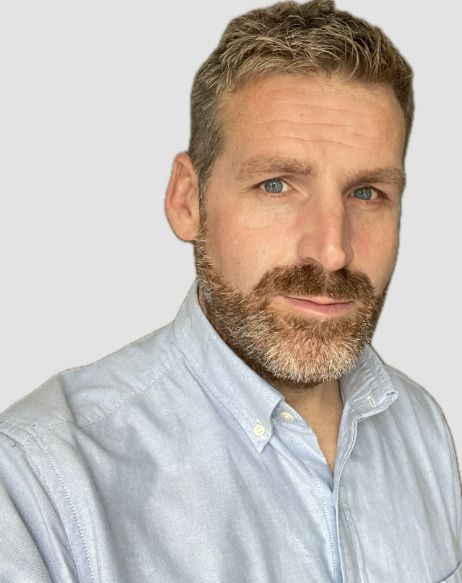
The company has appointed Jamie "JB" Bennett as chief commercial officer and Olly Todd as chief of programmes and operations. SYOS describes itself as a manufacturer of autonomous vehicles and autonomy systems for defence, civil and commercial use, with headquarters in New Zealand and the United Kingdom and research, development and manufacturing in both countries.
The leadership move is notable because it follows SYOS's September announcement of its first institutional capital raise. The company says that round will support a larger global footprint, deeper research and development, and increased production capacity after five years of growth fuelled through customer contracts, including with the United Kingdom, Ukraine, New Zealand and Canada.
Founder and chief executive Samuel Vye framed the appointments around the full path from design to customer delivery. His point is that defence and security customers do not buy technology in isolation. They need systems that can be produced, upgraded, trained into use, supported in the field and delivered on time.
That is where the two appointments fit. Bennett brings 23 years in the Royal Air Force, plus strategy and commercial planning experience across defence settings. His role is to take SYOS capability to customers globally across defence and civil markets. Todd brings 28 years in the Royal Marines and wider UK Defence, including work turning urgent operational requirements into delivered capability. His role is to keep programmes, operations, engineering and production aligned as the company grows.
For New Zealand's technology sector, SYOS is a useful example of a founder-led company working in a demanding global niche rather than a broad consumer software category. Autonomous systems can sound futuristic, but the commercial test is practical: can a company repeatedly deliver equipment and software that customers trust in serious conditions?
The company is also part of a wider pattern. More New Zealand firms are trying to build exportable deep-tech capability from a local base, then connect into overseas customers, capital and manufacturing networks. That model can create higher-value jobs, but it also exposes companies to tough procurement cycles, regulatory scrutiny and execution risk.
SYOS's next stage will depend less on announcement momentum than on delivery discipline. It must convert capital, product credibility and specialist leadership into reliable customer outcomes. If it can do that, Vye's company may become one of the clearer New Zealand examples of a local autonomous-systems business competing in a global security and civil-technology market.