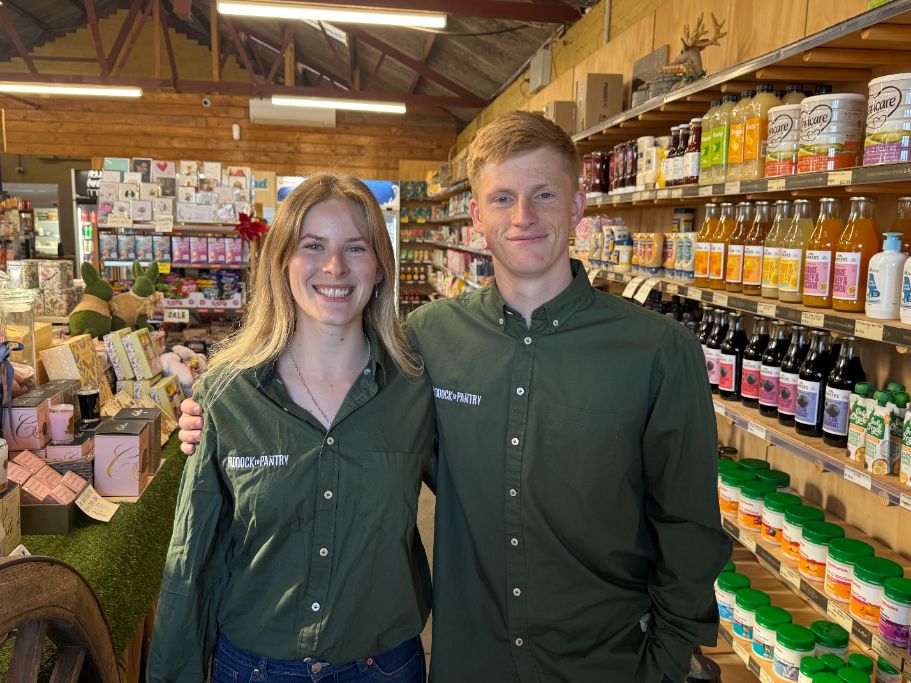
Paddock to Pantry's plan to open more than 20 stores is a grocery story, but it is also a test of whether New Zealand's supermarket competition debate can move from policy settings into real shopfronts.
The independent retailer says it is preparing a $25 million expansion programme over five years, beginning with a 500sqm store in Kinloch, near Taupo, in December 2026. Larger supermarket-format sites are planned for the North Island's East Coast and South Auckland in the first quarter of 2027. If the rollout is completed, Paddock to Pantry would move from two physical stores, at Karaka and Kahawai Point, Glenbrook, to a network of more than 22 stores.
That is an ambitious leap for a business that still gets about 90 percent of its sales through e-commerce. The company says that share is expected to fall to about one third within five years as its physical network grows. The proposed investment includes roughly $10 million in new retail stores, a 5,000sqm distribution centre and an expanded delivery fleet of 25 vehicles.
The regional angle matters. Paddock to Pantry says it will target communities with limited supermarket choice, while keeping the same promotional grocery pricing across stores regardless of location. That is a direct challenge to the familiar complaint that households outside the strongest metro competition zones can face fewer options and weaker price pressure.
Business manager John Kennerley says wholesale access changes have helped independent operators compete with the major chains, but that access to capital remains a limiting factor. The company is calling for a government-backed Supermarket Growth Fund that would offer low-interest, repayable loans to established privately owned operators with credible expansion plans.
The argument is pragmatic rather than ideological. Paddock to Pantry is not asking the Government to build supermarkets or create a new public retailer. It is saying that if the aim is more competition, the fastest route may be to help second-tier operators scale faster than their own balance sheets would otherwise allow.
There is a useful tension in that proposal. Public support for private expansion needs scrutiny, especially in a sector where consumers are sensitive to prices and market concentration. Any fund would need commercial discipline, transparent criteria and evidence that benefits reach shoppers rather than simply subsidising business growth.
Still, the company's operating numbers suggest there is something to test. Paddock to Pantry says sales rose 197 percent in the 12 months to 31 July 2026, from a multimillion-dollar base. It now processes thousands of daily orders, carries more than 2,000 products and sources more than 99 percent of purchasing by value directly from manufacturers.
The employment promise is also material. Larger stores are expected to employ about 50 people each, with the full programme projected to create up to 1,000 retail jobs, plus extra work in warehousing, transport and distribution. For regional towns and outer suburbs, a supermarket is not just a place to buy milk. It is an anchor tenant, a local employer and a signal that a community has enough demand to attract other services.
The hard part will be execution. Opening one store every three months requires sites, fit-outs, stock, staff, local demand and a supply chain that can maintain price credibility. The company also has to translate an online strength into everyday physical retail, where convenience, parking, range, checkout speed and reliability shape loyalty.
If Paddock to Pantry can prove the model, the result would be more than a company milestone. It would give New Zealand a live case study in how independent grocery competition grows: not as a headline policy promise, but store by store, town by town and aisle by aisle.