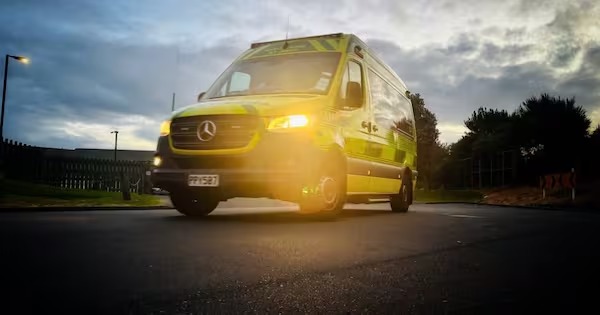
NZ Ambulance Association national secretary Mark Quin says Palmerston North Hospital's overloaded emergency department left ambulance patients waiting one to two hours to be handed into hospital care, showing how winter demand can spill from hospitals into the wider emergency network.
St John Ambulance confirmed it was experiencing delays getting patients into hospital care because of increased winter demand at emergency departments. The service said crews continued to assess, treat and monitor patients until care could be safely handed over. That reassurance matters, but it does not remove the network problem. If an ambulance crew is stuck caring for a patient outside or near an emergency department, that ambulance is not available for the next emergency in the community.
Quin said he understood Palmerston North Hospital was overloaded, leading to ambulances being ramped for significant periods. He estimated three to four ambulances were ramped at times and unable to respond to urgent calls. The concern is particularly acute for the most serious call categories, where patients need crews under lights and sirens.
The issue is not confined to one hospital. Quin said long waits were becoming increasingly common and had also been seen in places including Auckland, Waikato and Christchurch. He also noted a pattern of Mondays in winter being particularly busy. That fits the seasonal reality: respiratory illness, flu, delayed primary care, weekend presentations, staffing pressure and hospital bed constraints can all converge early in the week.
St John general manager ambulance operations Rosanne Shaw said increased winter demand was expected, but at times staff were experiencing delays transferring patients into hospital care across the country. She said St John was working with Health New Zealand and hospital teams to support patient flow and return ambulances to communities as quickly as possible. She also urged people to keep calling 111 for life-threatening emergencies, while seeking earlier advice from GPs, pharmacists, urgent care or Healthline for non-emergency concerns.
That message is carefully balanced. Emergency services do not want people with serious symptoms to stay away because they fear a queue. At the same time, crowded emergency departments cannot become the default answer for every winter illness or concern. The system works best when genuinely urgent patients arrive quickly and lower-acuity patients have realistic alternatives that are available, affordable and open when needed.
The Palmerston North delays also land days after public attention on the death of a man who collapsed in a Waikato Hospital emergency department toilet after waiting more than eight hours. Health New Zealand confirmed Waikato ED was more than 20 percent short on staff that night, and senior doctors' representatives have warned that under-staffing leaves services stretched even before unplanned absences.
For patients, the practical advice is to seek help early and use the right service for the severity of symptoms. For the health system, the lesson is bigger. Ambulance ramping is a visible sign of congestion deeper inside hospitals. Until patient flow, staffing, ward capacity and community care options improve together, emergency departments will keep exporting pressure back onto ambulances, crews and the people waiting for the next callout.