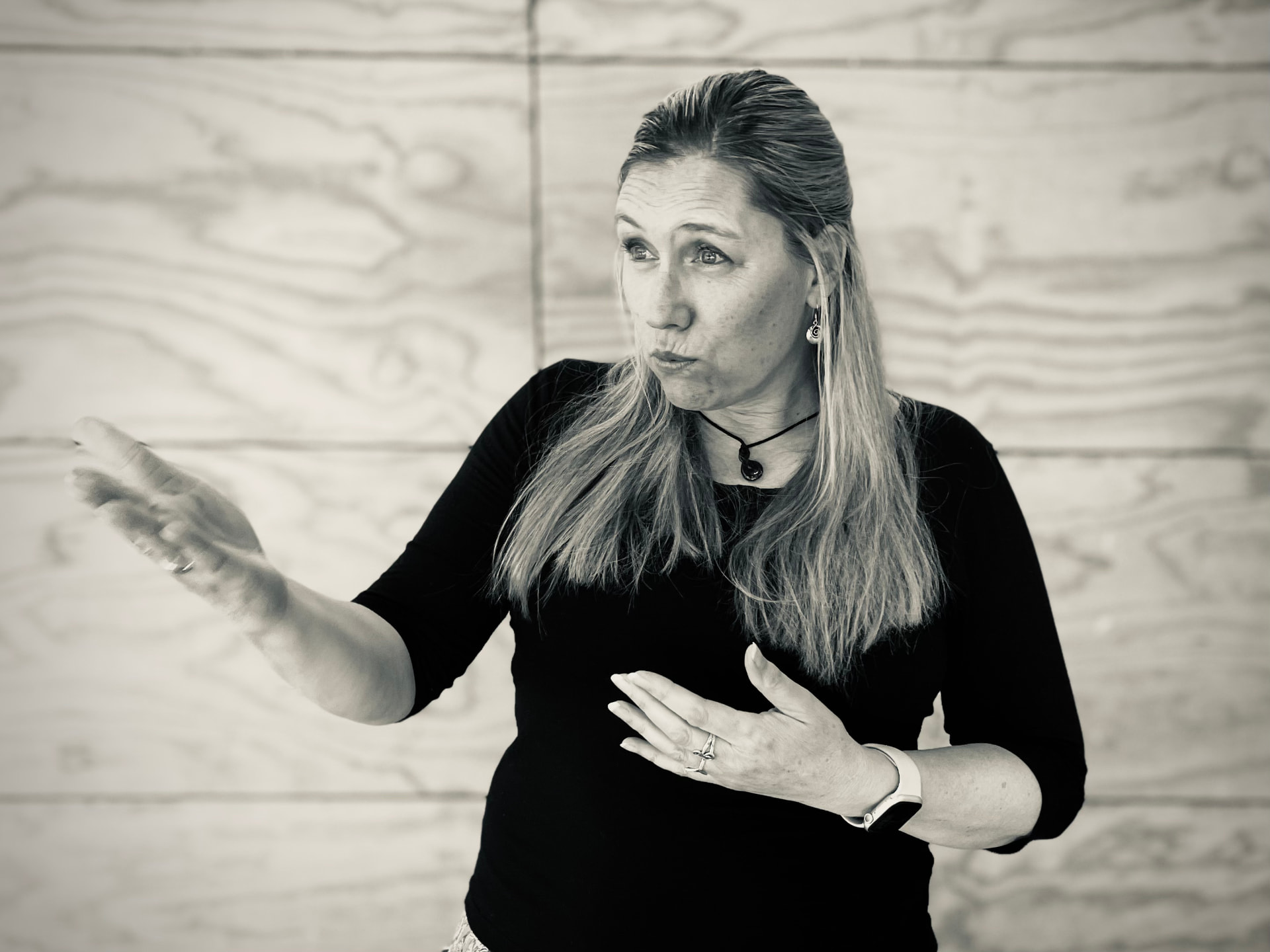
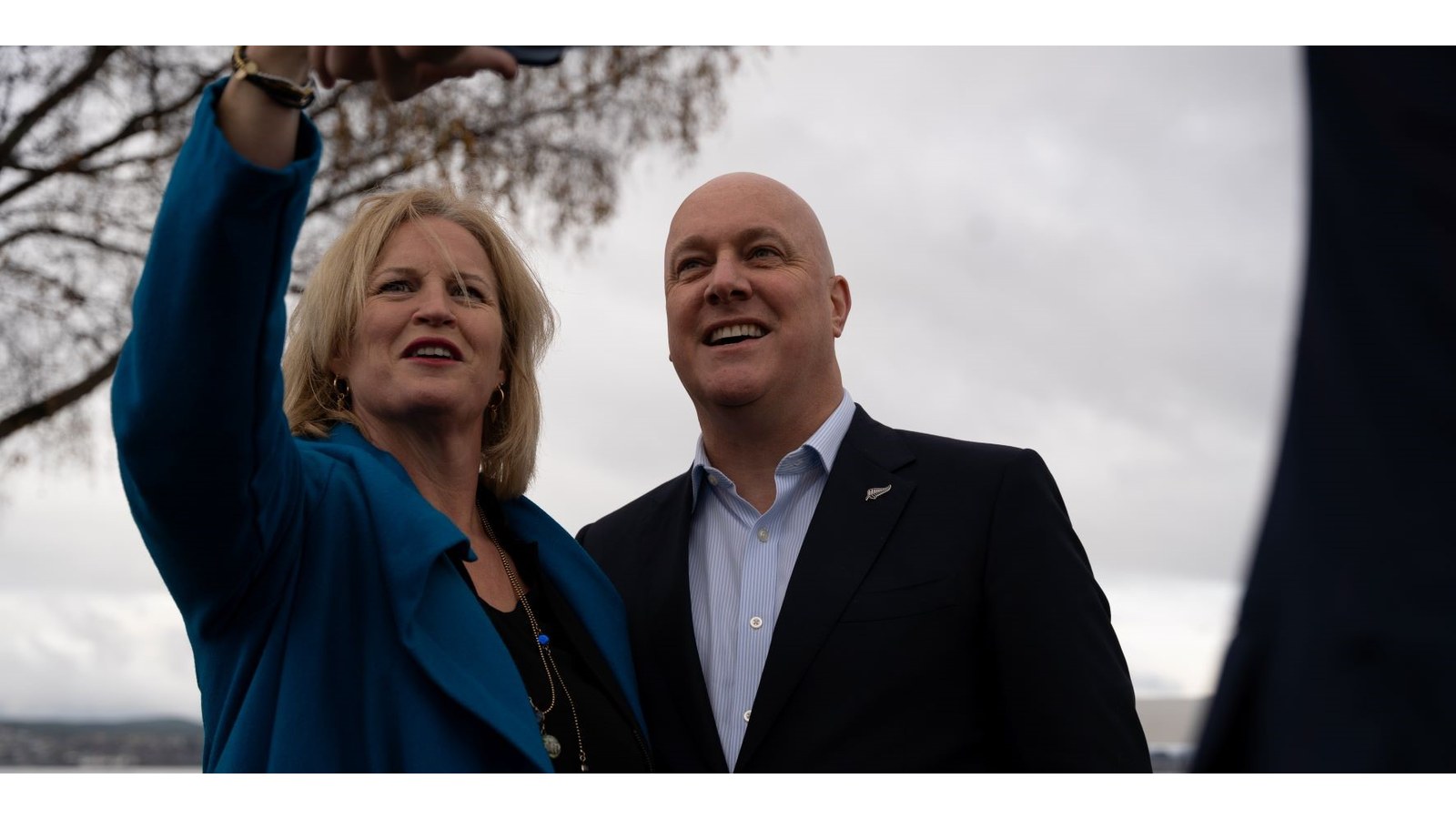
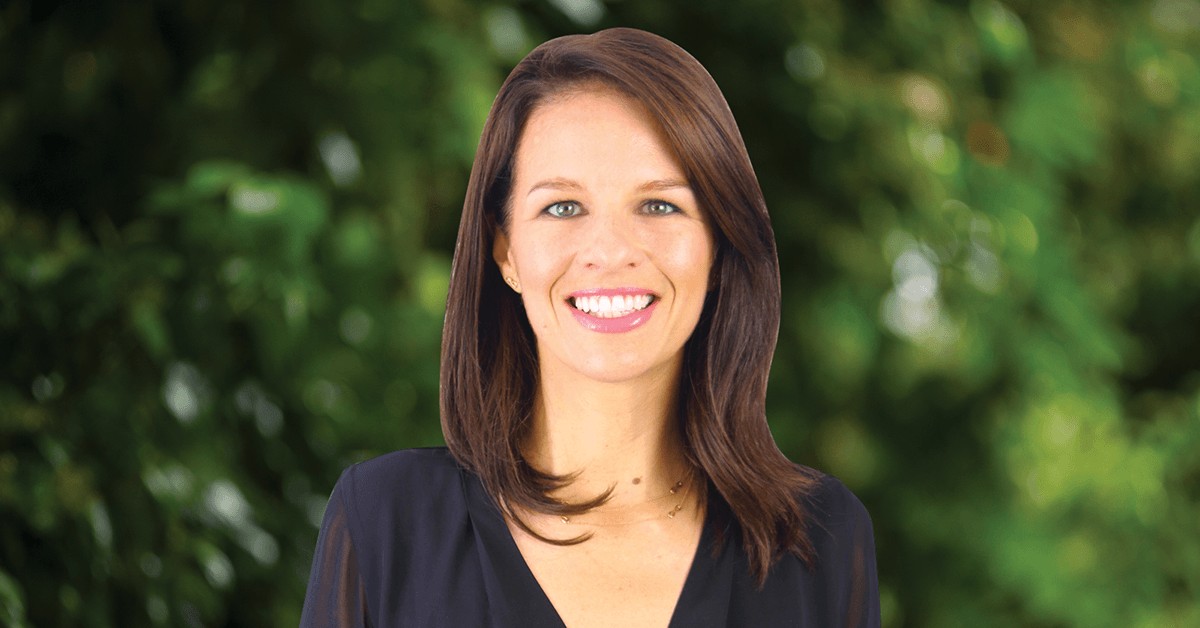
Disability Issues Minister Louise Upston has appointed Rahera Turner, Thora Huebner and Joanne Witko to the New Zealand Sign Language Board, adding new members as the board works through delivery of a 10-year NZSL strategy.
The 31 July Beehive release says the board supports the promotion and maintenance of New Zealand Sign Language. Existing board member Kim Robinson will extend his term for another year, while Upston acknowledged Monica Leach, whose term has ended. The release also says a New Zealand Sign Language interpretation of the announcement is available, with biographies of new and existing board members provided through Whaikaha.
This is a national story because New Zealand Sign Language is not only a specialist service. It is one of New Zealand's official languages and a daily access issue for Deaf people, families, students, interpreters, public agencies, health providers, courts, schools and workplaces. Board appointments shape how strategy turns into practical support, recognition and language maintenance.
Upston said the board had an important role in shaping the future of NZSL and that the appointments reflected the Government's commitment to strengthening its promotion and maintenance. That language is broad, but the work behind it is concrete. NZSL needs skilled interpreters, accessible public information, learning pathways, community leadership, technology support and institutions that understand Deaf culture rather than treating language access as an afterthought.
The 10-year strategy context matters. Language strategies can fail if they remain symbolic. A useful strategy should help government agencies decide what services must be available in NZSL, how interpreter capacity is supported, how education settings include Deaf learners, and how public communication reaches people during emergencies, health campaigns and civic processes.
Board membership is one lever in that system. Members bring lived experience, professional knowledge, community links and governance judgment. Their role is not to deliver every service themselves, but to influence priorities, monitor progress and keep the language visible in policy settings where it can otherwise be overlooked.
For Deaf New Zealanders, representation and trust are essential. Public agencies often produce written information and assume it is accessible to everyone. That assumption can miss people whose first or preferred language is NZSL. It can also miss the cultural importance of signed communication, where direct access through NZSL is different from reading a written summary after decisions have already been made.
The appointment of Turner, Huebner and Witko should therefore be watched through practical outcomes. Does access to NZSL information improve? Are interpreters supported? Are schools, health services and emergency agencies more consistent? Does the board have enough influence to keep the 10-year strategy moving across agencies, not only inside disability policy?
There is also a public education opportunity. Many hearing New Zealanders know that NZSL is an official language, but fewer understand the work needed to maintain a living language. Languages survive through use, teaching, community pride and institutional recognition. They weaken when access depends on goodwill, short-term funding or last-minute arrangements.
The new appointments give the board fresh capacity at a significant moment. The announcement itself is modest, but the stakes are not. For NZSL users, language access affects participation in ordinary life: learning, work, health, justice, culture and democracy. The board's next phase will show whether the 10-year strategy can move from commitment into visible change for the communities it is meant to serve.