Canterbury's proposed spaceport has moved from broad aerospace ambition into a more concrete question: what kind of launch industry does New Zealand want to host, and under what conditions?
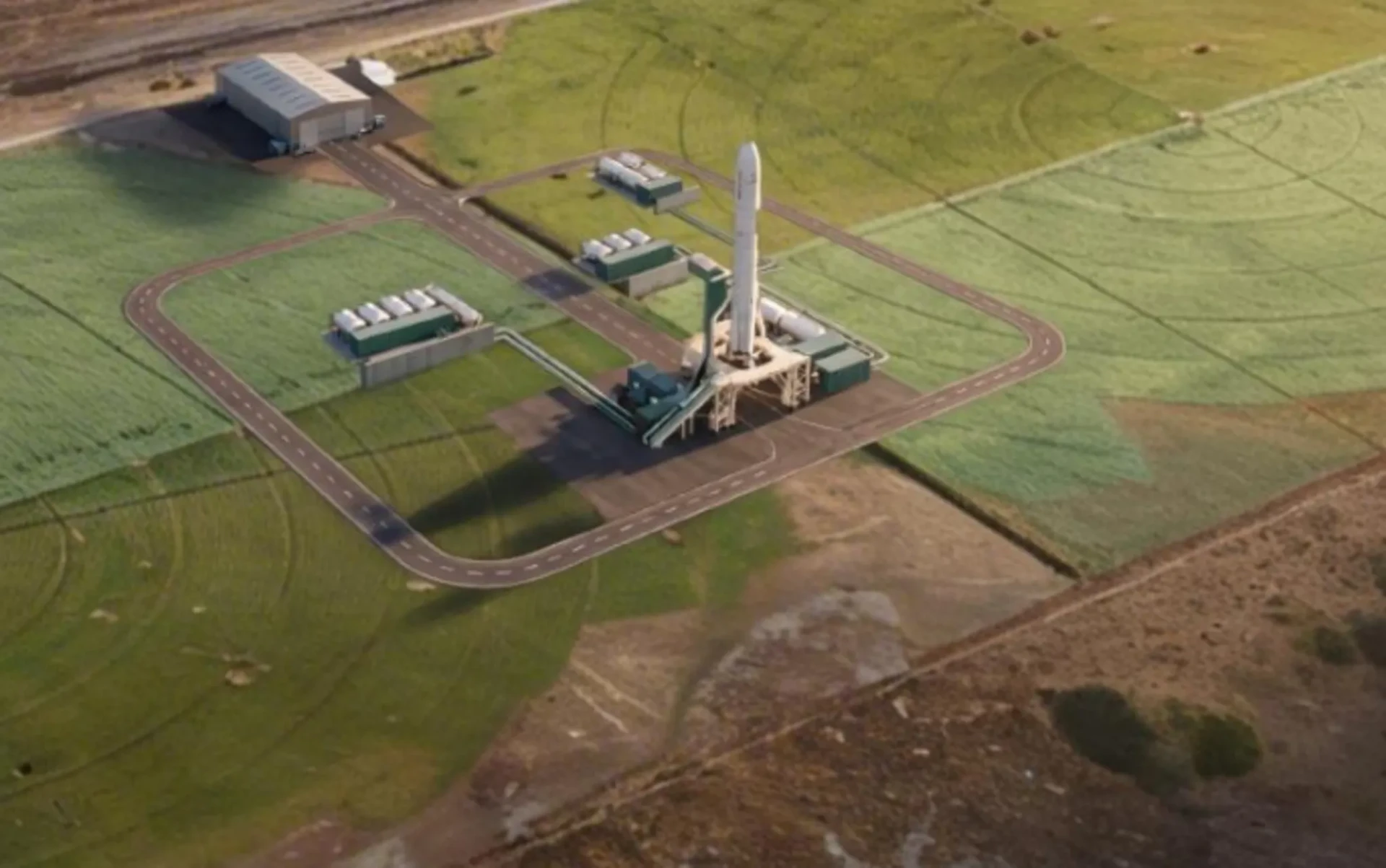
The plan centres on Kaitorete Spit near Lake Ellesmere Te Waihora, where Tāwhaki already operates an aerospace precinct with a runway, hangar and special airspace for testing. The latest proposal would add a launch facility capable of handling rockets far larger than the Electron rockets currently launched from Mahia.
The initial concept being discussed would allow for up to 12 launches a year, using vehicles weighing up to 100 tonnes. The proposed pad is described as about 30 metres by 30 metres and would use gas fuels rather than solid rocket fuels. Tāwhaki and French firm SpaceDreamS are now working through capital, consents, potential customers and regulatory discussions.
That puts Canterbury into a fast-growing but sensitive global market. Low Earth orbit is increasingly valuable for communications, scientific work, commercial services and defence-linked systems. A southern hemisphere launch site with clear range options could be attractive to international customers looking for different orbits and more capacity.
But the proposal also raises questions that cannot be answered by market demand alone. Launch sites carry environmental, cultural, safety, liability and national-interest considerations. Kaitorete is not empty land on a spreadsheet; it is a distinctive coastal and lake environment with iwi, ecological and community significance.
The business opportunity is obvious. If the project landed customers and approvals, it could give New Zealand a larger launch capability, bring international aerospace work into Canterbury, and strengthen a sector that already sees itself as one of the country's high-value growth industries. The partnership with SpaceDreamS also signals that the pitch is being made offshore, especially to Europe and the United States.
The policy challenge is just as obvious. Government support helped establish Tāwhaki, and the state will have a role in regulation, liability and strategic approval. Public agencies will need to be clear about what kinds of launches are acceptable, how environmental effects are assessed, and how any dual-use military-civilian work would be handled.
For Canterbury, the most useful debate is not whether space is exciting. It is whether the proposed spaceport can prove it has the capital, customers, consent pathway and public-interest safeguards to match the scale of the idea.
If it can, Kaitorete could become a national infrastructure asset. If it cannot, the proposal will remain a striking artist's impression beside a lake that deserves careful decisions.