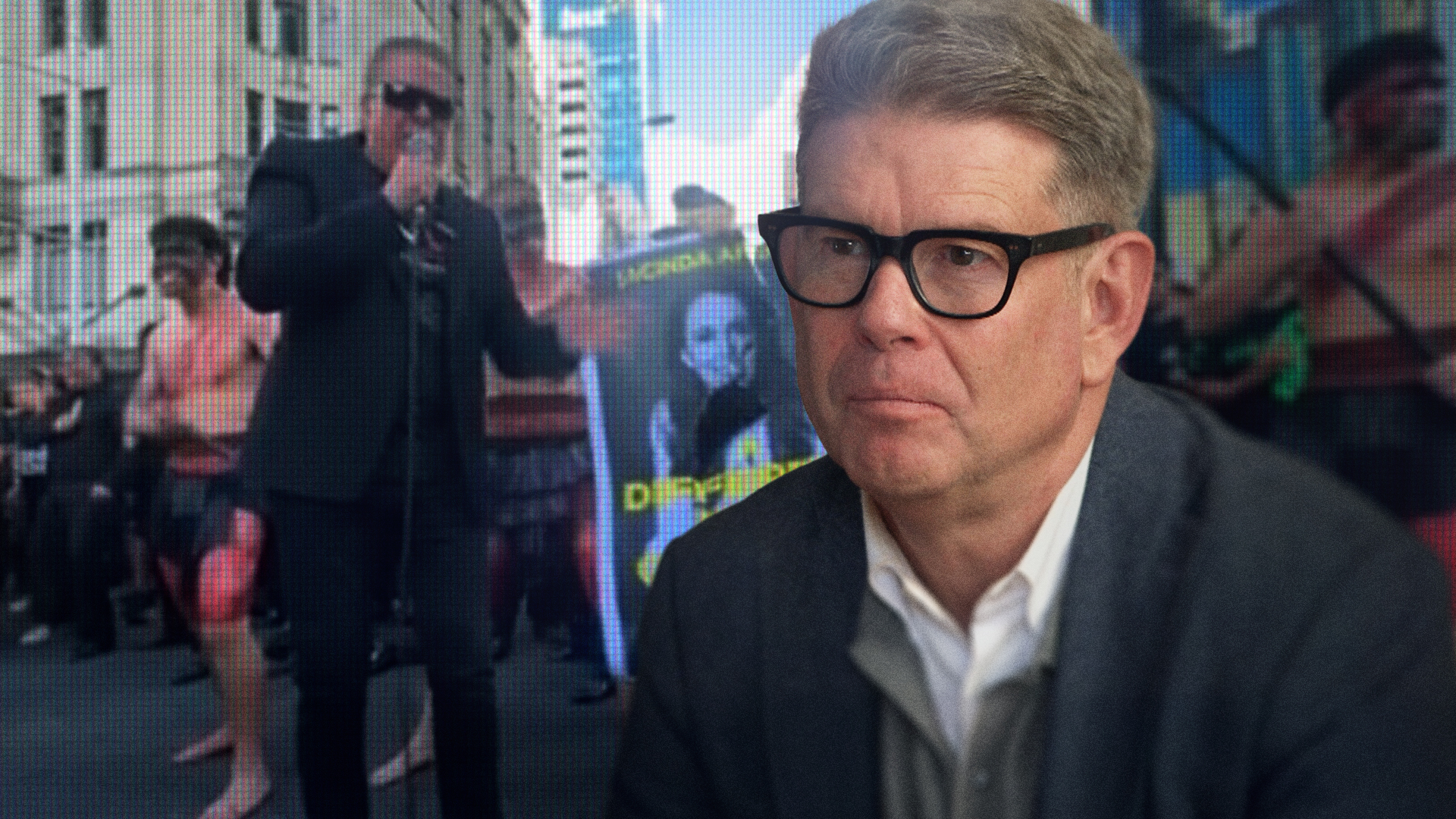
John Campbell: the growing rage and extremity of Brian Tamaki and Destiny
Brian Tamaki and Destiny Church have been part of New Zealand public life for more than two decades, but the tone has changed. What was once provocation has hardened into something closer to open confrontation.
John Campbell··2 min read
John Campbell: the growing rage and extremity of Brian Tamaki and Destiny
Brian Tamaki and Destiny Church have been part of New Zealand public life for more than two decades, but the tone has changed. What was once provocation has hardened into something closer to open confrontation.
The pattern is now familiar: a small, highly mobilised group arrives at a library event, a pride gathering or a community hall, and the confrontation itself becomes the point. The disruption generates footage, the footage generates outrage, and the outrage generates the next event.
What makes it difficult is that the rights involved are real on both sides. Freedom of religion and freedom of assembly are not negotiable, and neither is the right of a rainbow group or a migrant community to meet without intimidation. Police and councils are left managing the collision in real time, usually in front of children.
The wider question is what happens when a movement's identity depends on escalation. Groups organised around grievance rarely find a resting point, because the moment the confrontation stops, so does the attention that sustains it.
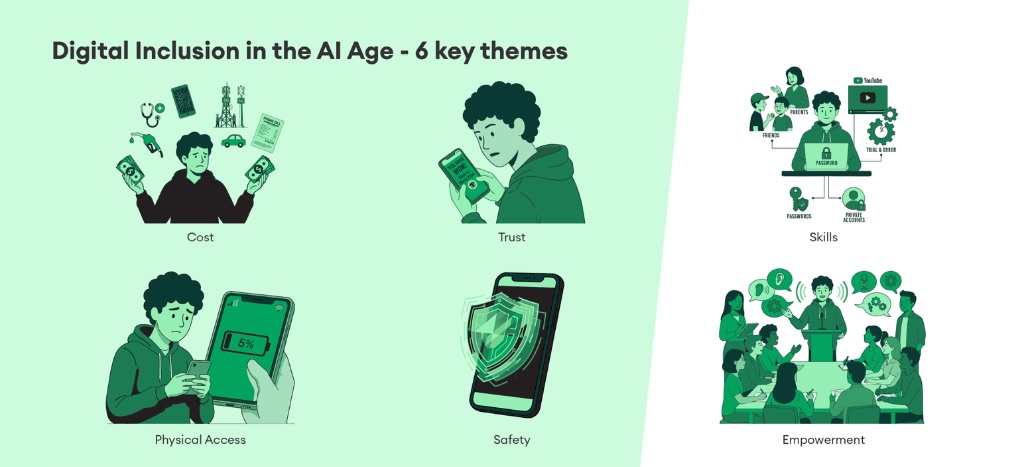
New Te Rourou research says internet access is now essential for young people, but cost, outages, scams and AI-driven trust questions are widening the digital inclusion brief.